Luggage is the accessory that decides whether a motorcycle trip is a pleasure or a packing puzzle. Soft tail bags and panniers have improved enormously, and for most riders they now offer the capacity of hard cases without the brackets, the weight or the price.
This guide compares the main luggage types, explains what actually stays dry at highway speed, and sets out a packing plan that keeps the weight low and the bike stable.
Key facts
- Soft tail bags typically hold 20 to 50 litres; hard panniers hold 30 to 40 litres each.
- Waterproof liners work better than external covers in sustained rain.
- Keep luggage weight low and forward; a heavy tail bag changes handling.
- Straps must be checked after the first 50 miles and again in rain.
- Heat shielding is essential near exhausts and rear shocks.
Tail bag, panniers or a tank bag?
A tail bag is the simplest place to start. It straps to the pillion seat or a luggage rack, holds 20 to 50 litres and comes off in seconds when you stop. For solo weekend trips it is usually all you need, and it keeps the bike narrow for filtering.
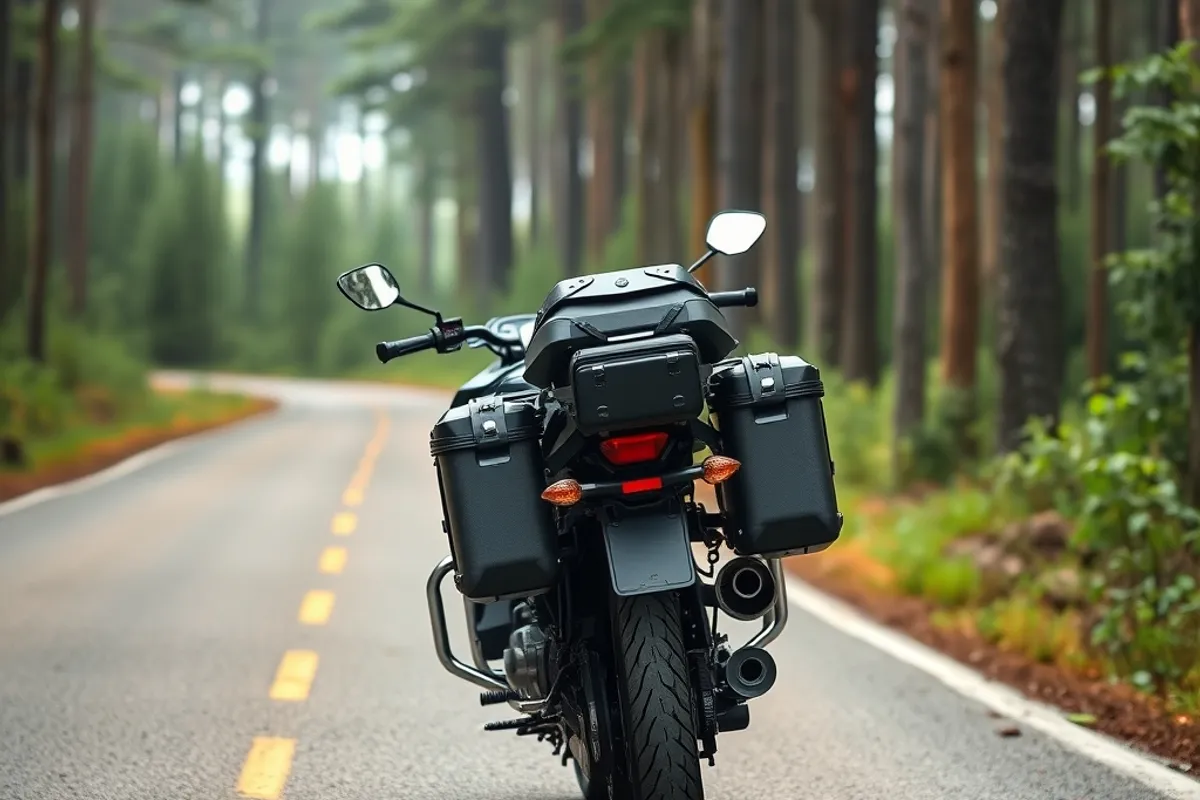
Panniers add capacity for two-up travel, but soft panniers can rub paint and hard cases add width and brackets. A tank bag is ideal for documents, phone and snacks, but it can interfere with the bars on tight lock. Most touring riders end up with a tail bag plus a small tank bag.
Mounting systems and stability
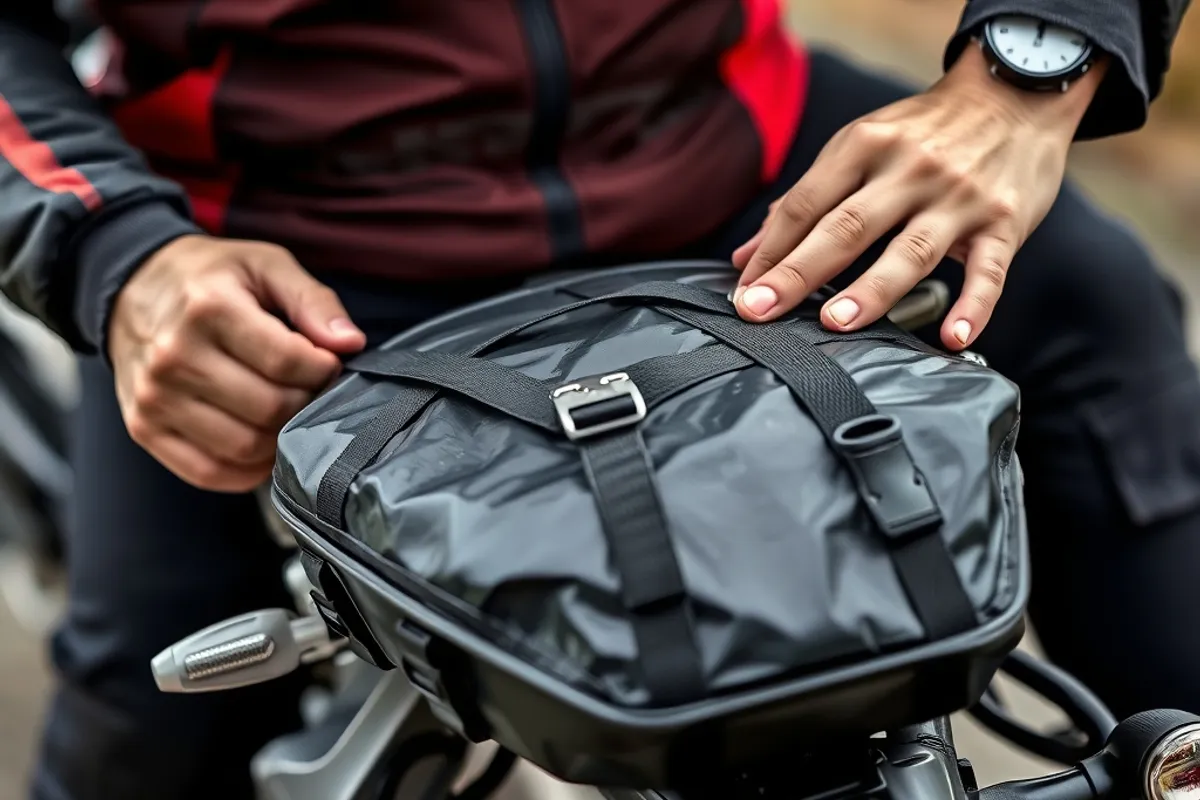
The best bag in the world is useless if it shifts at 70 mph. Look for at least four attachment points, wide webbing straps and buckles that can be tightened with gloves on. Avoid bags that rely on a single bungee or a suction cup.
Check clearance around the rear wheel, exhaust and shock. A bag that touches the tyre under load will wear through in minutes. After the first 50 miles, stop and re-tension every strap; new webbing stretches and settles.
Waterproofing that survives real rain
Most soft bags are water-resistant rather than waterproof. An external rain cover helps in a shower but can flap, trap grit and hide a leak. A roll-top dry bag or an internal waterproof liner is a more reliable design, especially in sustained rain.
Test the bag before your trip with a garden hose or a full sink. Pack a bin liner around your clothes as a cheap second layer. Electronics should always go in a separate dry pouch, even inside a bag advertised as waterproof.
Capacity planning for a week away
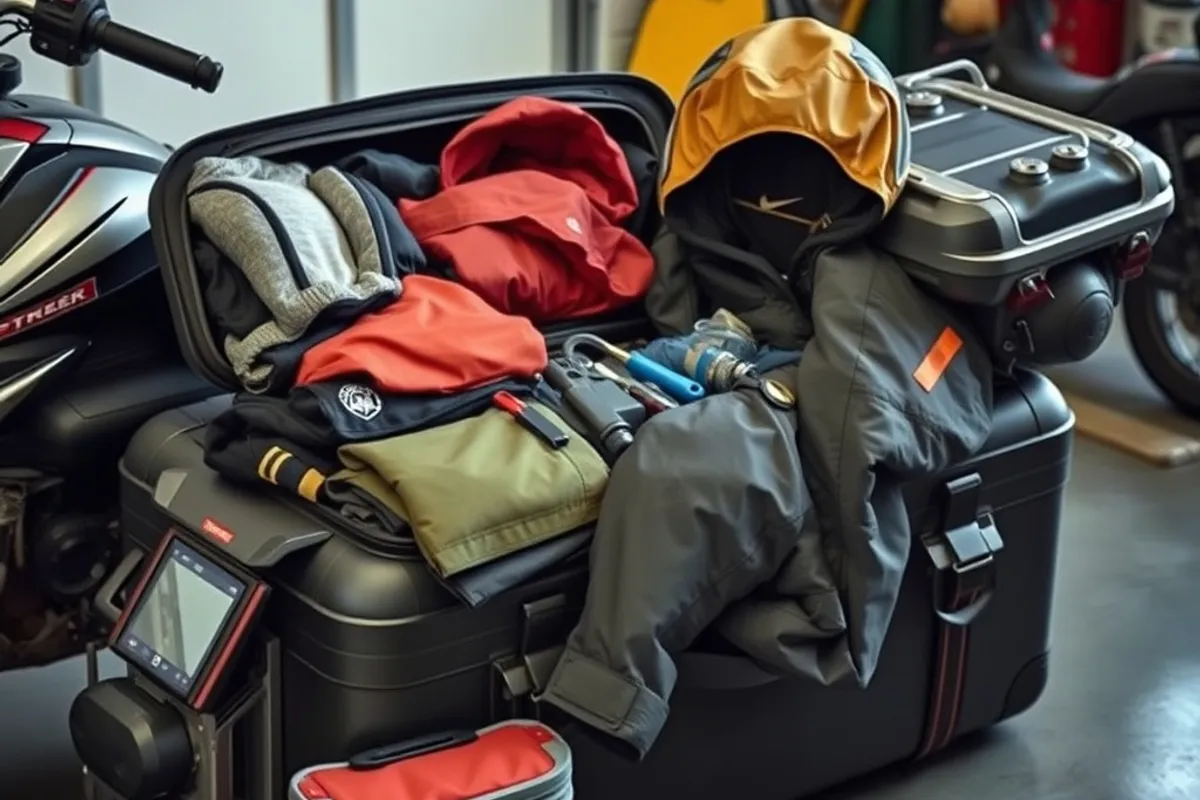
For a week, plan on 40 to 60 litres per person including tools and rain gear. That means a 30-litre tail bag plus a 20-litre tank bag, or a pair of 25-litre panniers. One pair of riding trousers, two base layers, one warm mid-layer and a rain suit covers most trips.
Pack heavy items low and centred, and keep the things you need during the day in the tank bag. Roll clothes instead of folding them, use compression sacks, and leave a fifth of the space empty for food and souvenirs. Overpacking is the most common cause of a bad trip.
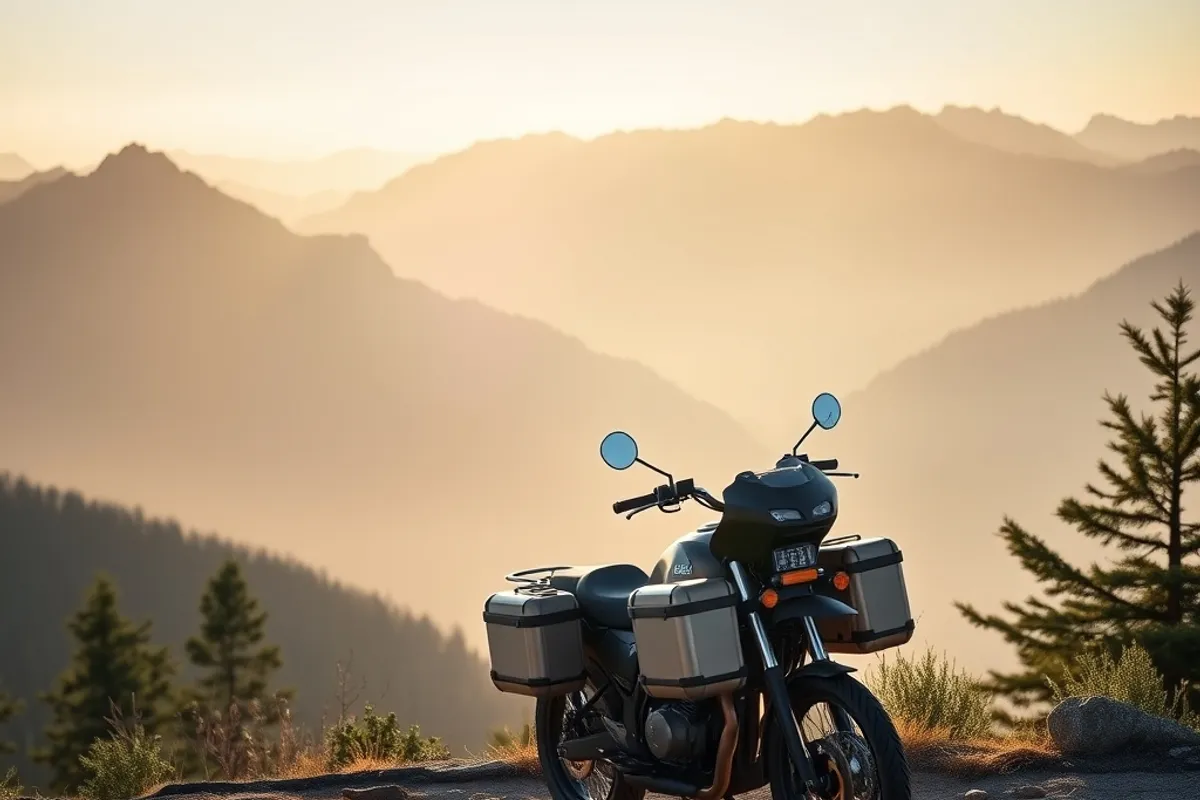
Pack for the ride, not for the what-ifs. The bike handles better and so do you.
Security and quick stops
Soft luggage is not secure. If you leave the bike unattended, take the bag with you or use a lockable hard case. A small cable lock through the zips stops opportunists but will not defeat a determined thief.
For cafe stops, keep documents, keys and electronics on your person. A tail bag that detaches in seconds is convenient at the hotel and a liability at a tourist viewpoint. Plan your stops around that trade-off.
Heat, exhaust and paint protection
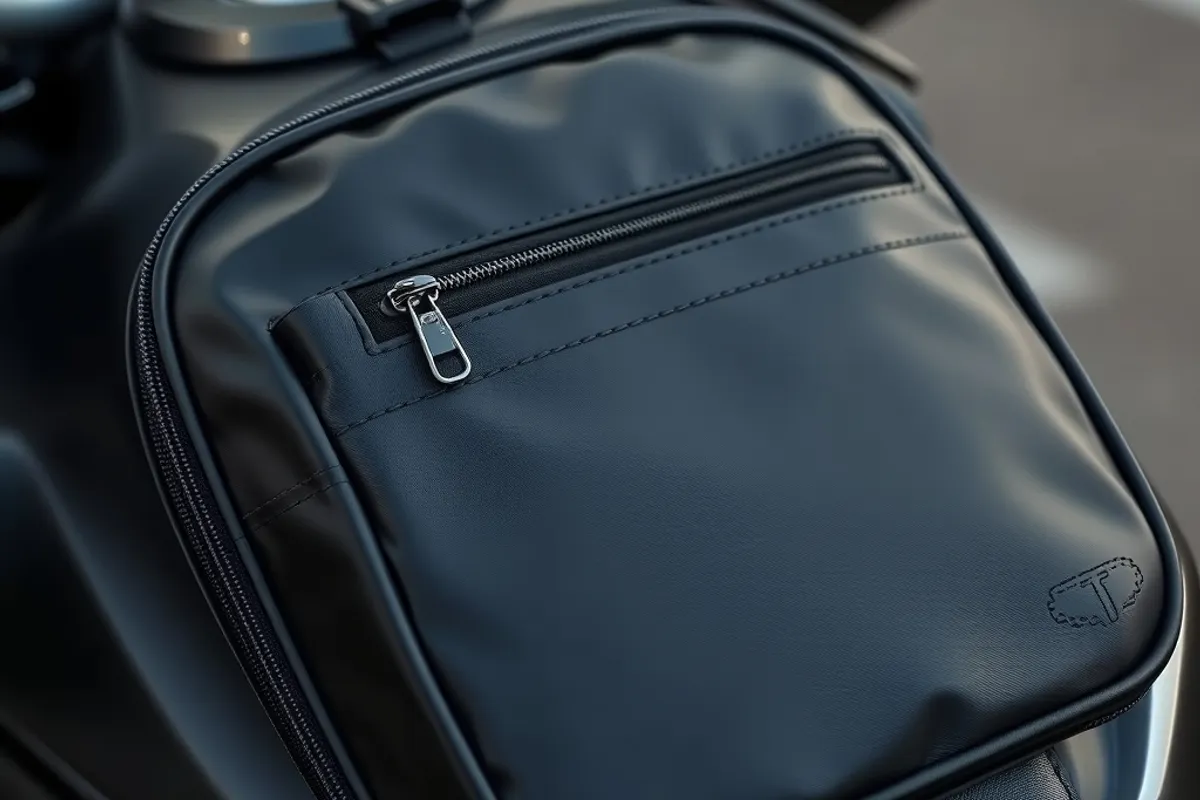
Exhaust heat can melt cheap nylon in minutes. Check the clearance when the suspension is compressed, and fit a heat shield if the bag sits near the pipe. Soft panniers should have a rigid inner panel to keep them away from the wheel and the paint.
Use clear protective film where straps rub, and clean grit from under the bag each day. A small investment in protection prevents scratched bodywork and a bag that smells of melted plastic for the rest of its life.
What we would buy and why
For most riders, a 30 to 40-litre roll-top tail bag with a waterproof liner is the sweet spot. Add a 5-litre tank bag for daily essentials and a set of soft panniers only when travelling two-up. Buy from a brand that sells spare straps and buckles.
Pair the luggage with a quiet, well-fitting helmet from our helmet buying guide, and browse more Motorcycle Accessories for gloves, rain gear and tools. The right kit disappears into the background; the wrong kit is all you think about.
Official source: nhtsa.gov.