Car finance is where a good deal quietly becomes an expensive one. The difference between a 6 percent and a 9 percent loan on a $35,000 car is more than $2,500 over five years, and most buyers accept the first rate they are shown because they are tired and the paperwork is already on the desk.
This guide covers the eight steps that actually lower an auto loan rate in 2026, from the credit work you can do months ahead to the moment you should walk out of the finance office.
Key facts
- A 3 percent rate gap on a $35,000 five-year loan costs roughly $2,700 in extra interest.
- Dealers often make more profit on finance and add-ons than on the car itself.
- A preapproval from a bank or credit union gives you a rate to beat.
- Longer terms lower the monthly payment but raise the total interest.
- A 20 percent down payment reduces risk and usually improves the rate.
Know your credit score before anyone else does
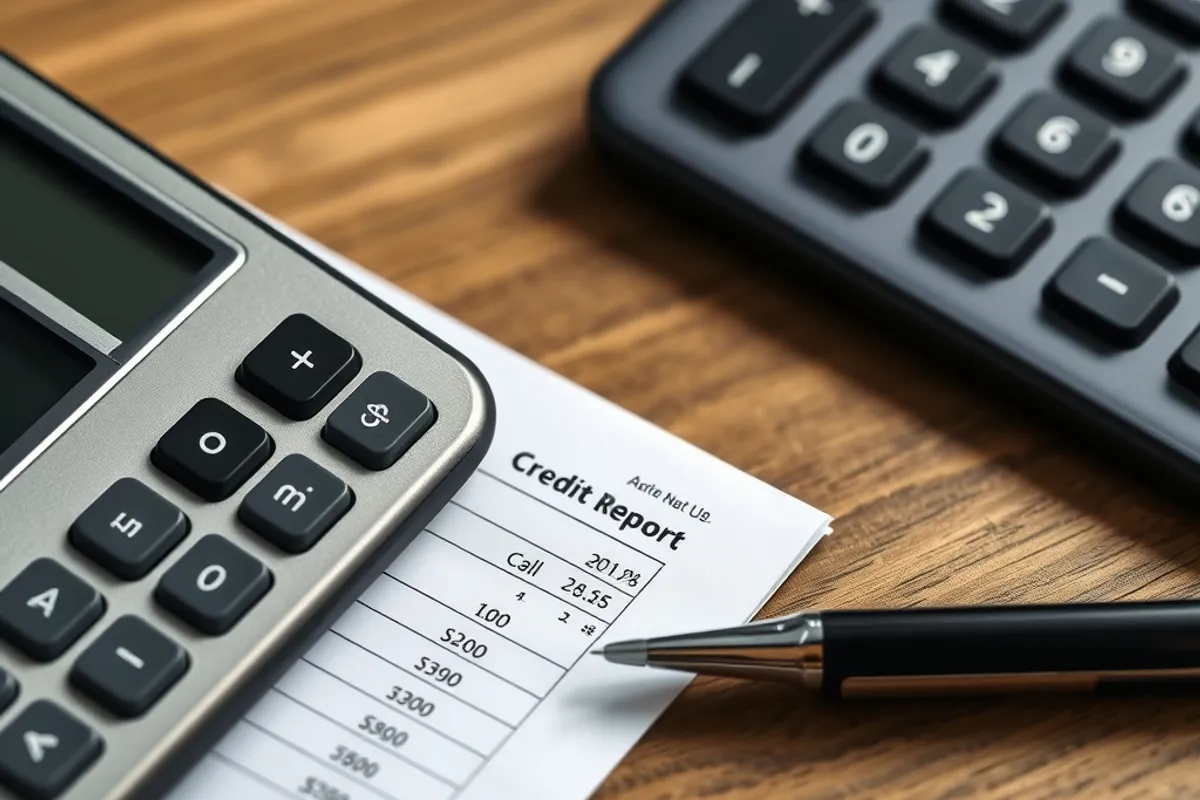
Check your score and your full report from all three major bureaus before you shop. Look for errors, old collections that should have dropped off and cards that are maxed out. A single incorrect late payment can cost you a tier on the rate sheet.
Pay down revolving balances and avoid opening new credit in the three months before you apply. A score above 740 usually unlocks the best advertised rates; between 660 and 739 you will pay more, and below 660 the gap widens sharply. Knowing where you stand stops you being surprised.
Get preapproved by a bank or credit union
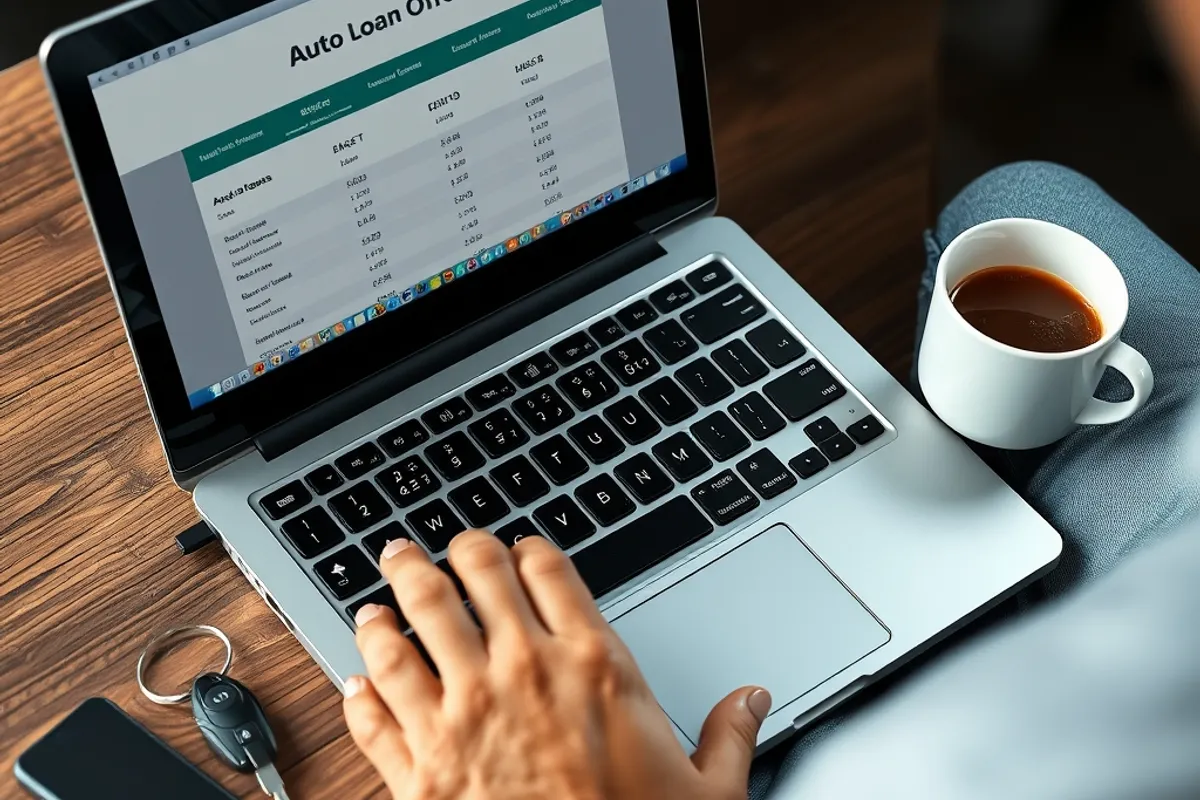
A preapproval tells you the rate and amount you qualify for before you enter a dealership. It turns the negotiation into a simple comparison and gives you a walk-away number. Credit unions often beat dealer rates, especially for members with steady deposits.
Apply to two or three lenders within a short window so the inquiries count as one shopping event. Compare the annual percentage rate, not the monthly payment, and check the term and fees. A lower monthly payment over a longer term can cost far more.

Choose the shortest term you can afford
A five-year loan is the common default, but a three-year loan usually carries a lower rate and much less total interest. A $30,000 loan at 7 percent costs about $3,900 in interest over three years and $5,600 over five; the longer term also keeps you underwater for longer.
If the monthly payment only works over seven years, the car is probably too expensive. Stretching the term to fit a payment is how buyers end up owing more than the car is worth. Pick the term based on the total cost, not the monthly figure.
Put real money down
A 20 percent down payment is the traditional target. It reduces the amount financed, lowers the risk to the lender and often earns a better rate. On a $30,000 car that means $6,000, which also keeps you from being immediately underwater on depreciation.
If you cannot manage 20 percent, aim for at least 10 percent and avoid rolling negative equity from an old loan into the new one. Negative equity is the most expensive kind of car finance because you pay interest on a car you no longer own.

Negotiate the car, then negotiate the money. Never let the showroom do both at once.
Shop dealer finance against your preapproval
Dealers can sometimes beat a bank because they have relationships with many lenders and can buy down the rate. Let them try, but ask for the rate in writing and compare it with your preapproval. Do not discuss monthly payment until the price and rate are settled.
Watch for add-ons packed into the finance office: extended warranties, paint protection, gap insurance and service plans. Some are worth buying, but none should be decided under pressure. Decline them for now, read the terms at home and buy only what you actually need.
Refinance and read the fine print
If you already signed at a poor rate, you can usually refinance after a few months. Check the payoff figure, compare offers from banks and credit unions, and factor in any fees. A drop of two percentage points or more is usually worth the paperwork.
Refinancing works best when your credit has improved or you bought when rates were higher. Do not extend the term to lower the payment; keep the remaining term or shorten it. The goal is less total interest, not a more comfortable illusion.
Compare the APR, which includes most fees, rather than the interest rate alone. Ask for the itemised cost of documentation fees, title fees and any dealer prep. A loan with a low rate and a huge fee can cost more than a slightly higher rate with none.
Check the insurance requirement too. Lenders require comprehensive cover, and some specify a maximum deductible. A cheap loan that forces an expensive policy is not cheap. Get an insurance quote for the exact car before you sign anything.
The eight-step checklist and verdict
In order: check your report, pay down balances, get preapproved, compare at least three offers, pick the shortest affordable term, put down as much as possible, refuse pressure add-ons and read every fee. That routine routinely saves $1,000 to $3,000 over the life of a loan.
Remember that the car price and the finance rate are two separate negotiations. Settle the price first, then the finance. If you are still deciding between leasing and buying, read our lease versus buy comparison, check the CFPB auto loan tools, and browse more Auto Financing guides.
Official source: consumerfinance.gov.