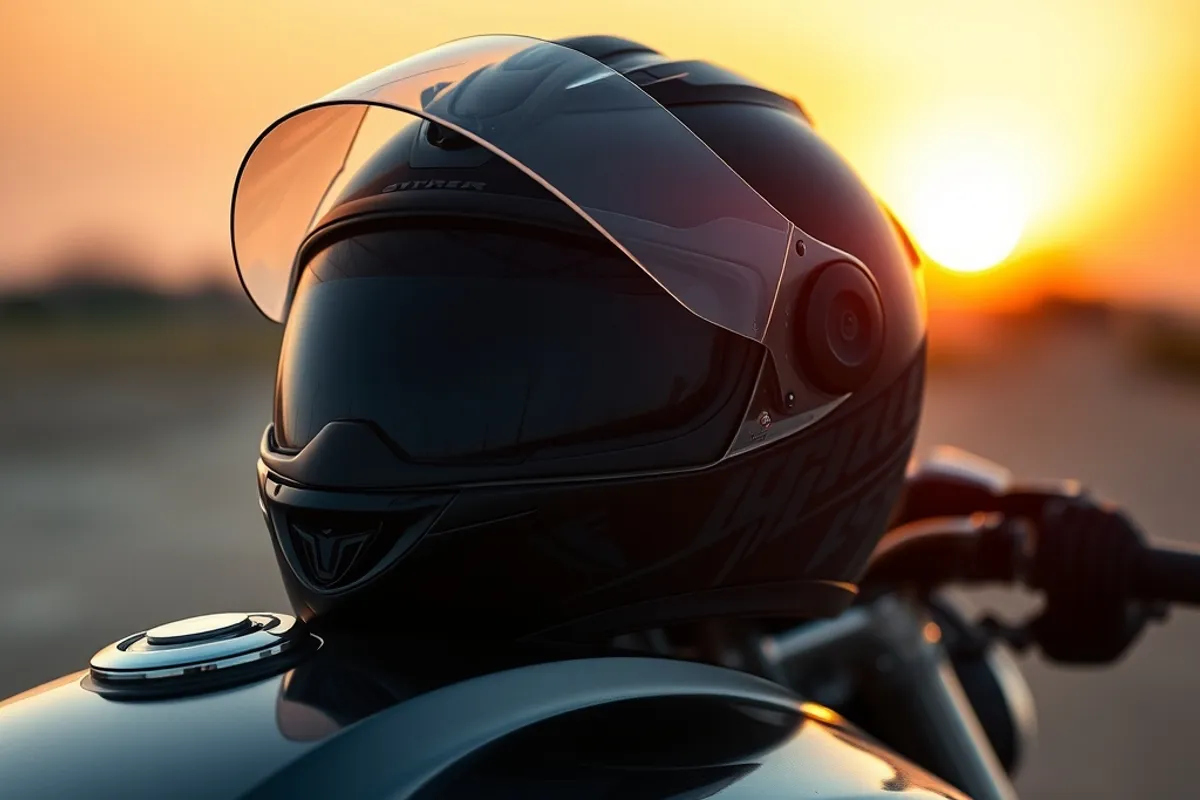
Helmets are the most important thing you will ever bolt to a motorcycle, and they are also the accessory most often bought on colour and price. A poor fit can turn a certified helmet into a loose, noisy liability, and an outdated shell offers less protection than the sticker suggests.
This guide covers what to look for in a 2026 helmet, the seven models that stand out across different budgets, and the fit and maintenance habits that keep a good helmet good for years.
Key facts
- Every helmet sold in the US should carry DOT certification; ECE 22.06 is the stricter European standard.
- A correct fit should press evenly on the cheeks and forehead without hot spots.
- Helmets should be replaced five years after manufacture or after any impact.
- A quality full-face helmet costs $200 to $700; carbon shells push past $900.
- Pinlock anti-fog inserts make a bigger difference to winter riding than a more expensive shell.
Certification marks that actually matter
In the United States, the legal minimum is DOT certification. It is a self-declared standard, which is why two helmets with the same sticker can offer very different protection. ECE 22.06 is a tougher independent test and is a better guide to real-world performance.
Look for a shell that meets both DOT and ECE 22.06 where possible. Avoid unbranded helmets from online marketplaces, and be sceptical of any shell that claims certification but carries no test label, no manufacturing date and no address for the importer.
Getting the fit right
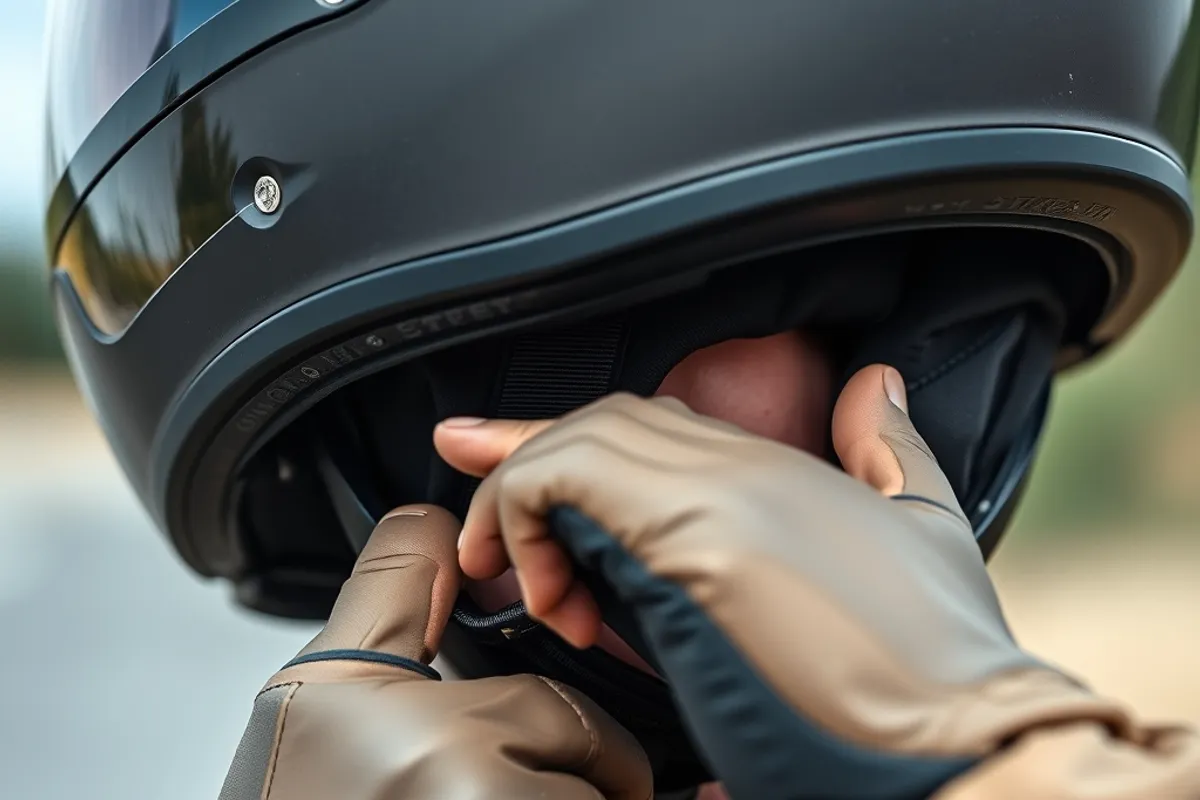
A helmet should be snug enough that the skin on your forehead moves when you rotate the shell, but not so tight that it gives you a headache after twenty minutes. Cheek pads should press firmly without pinching, and the chin bar should sit close to your chin without touching it.
Try the helmet on in a shop if you can, and wear it for fifteen minutes before buying. Every brand uses a different head shape, so a medium in one model can feel like a large in another. A premium helmet that fits well beats a more expensive one that does not.
Shell materials and weight
Polycarbonate shells are inexpensive and perfectly safe for road use, but they are heavier. Fibreglass and composite shells cut weight and often absorb impact better, while carbon fibre is the lightest option and the most expensive.
Weight matters most on long rides. A 1,700-gram helmet becomes a genuine pain in the neck after four hours, while a 1,350-gram shell stays comfortable. If you ride long distances, pay for the lighter shell rather than the louder graphics.
Visors, pinlocks and sun protection
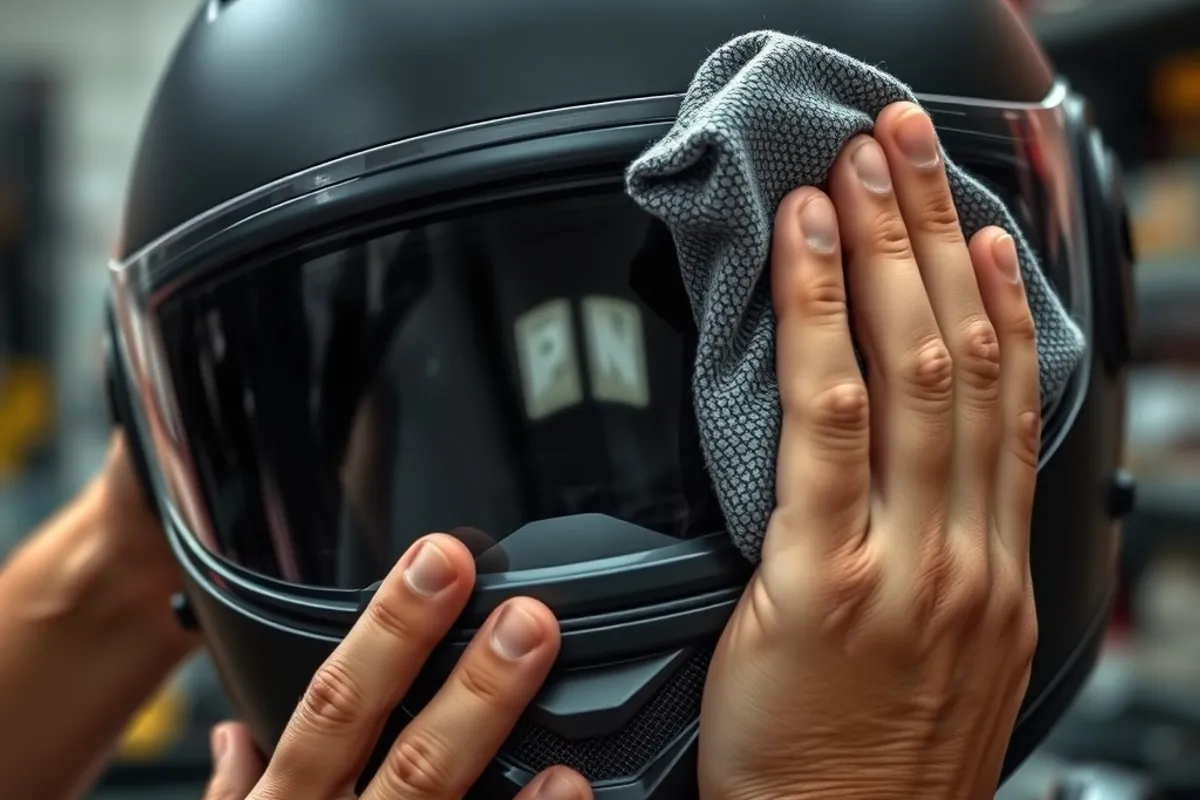
A clear visor plus a drop-down sun shade is the most flexible setup for mixed weather. If you ride in the rain, a Pinlock insert is essential: it stops fogging far more effectively than any coating, and it is cheaper than upgrading the whole helmet.
Check that replacement visors are easy to buy and reasonably priced. A visor that costs a third of the helmet's price and is out of stock for months turns a good helmet into a shelf ornament. Buy one spare clear visor at the same time.
The best helmet is not the most expensive one. It is the one that fits so well you forget it is there.
Noise, ventilation and touring comfort
Noise is cumulative and tiring. A helmet with a poor seal can hit 100 decibels at highway speed, which is enough to damage hearing over time. Look for a close-fitting neck roll, a chin curtain and a shell shape that does not buffet in crosswinds.
Ventilation matters in summer and in rain. Top vents should be easy to operate with gloves, and the exhaust vents at the rear should actually line up with the channels in the liner. A helmet that fogs instantly and soaks its liner is one you will stop wearing.
Seven helmets worth trying in 2026
For value, look at the HJC C70 and the Shark Ridill: both offer solid certification, decent ventilation and replacement parts that are easy to find. In the mid-range, the Shoei RF-SR and AGV K3 SV are quiet, comfortable and well supported by dealers.
At the premium end, the Shoei NXR2, Arai Profile-V and Schuberth S3 earn their price with lighter shells, better liners and lower noise. Try at least two of them before deciding. Your head shape will make the choice for you.
Care, replacement and the verdict
Clean the liner with mild soap, never a washing machine, and replace the cheek pads when they compress. Store the helmet in a bag away from sunlight and petrol fumes. Replace it five years after the manufacturing date, or immediately after any impact, even if it looks fine.
If you want one recommendation: buy the quietest, best-fitting full-face helmet you can afford, add a Pinlock, and spend the savings on a second visor. Then read our motorcycle luggage guide to get the rest of your kit sorted, or browse more Motorcycle Accessories.
Official source: nhtsa.gov.