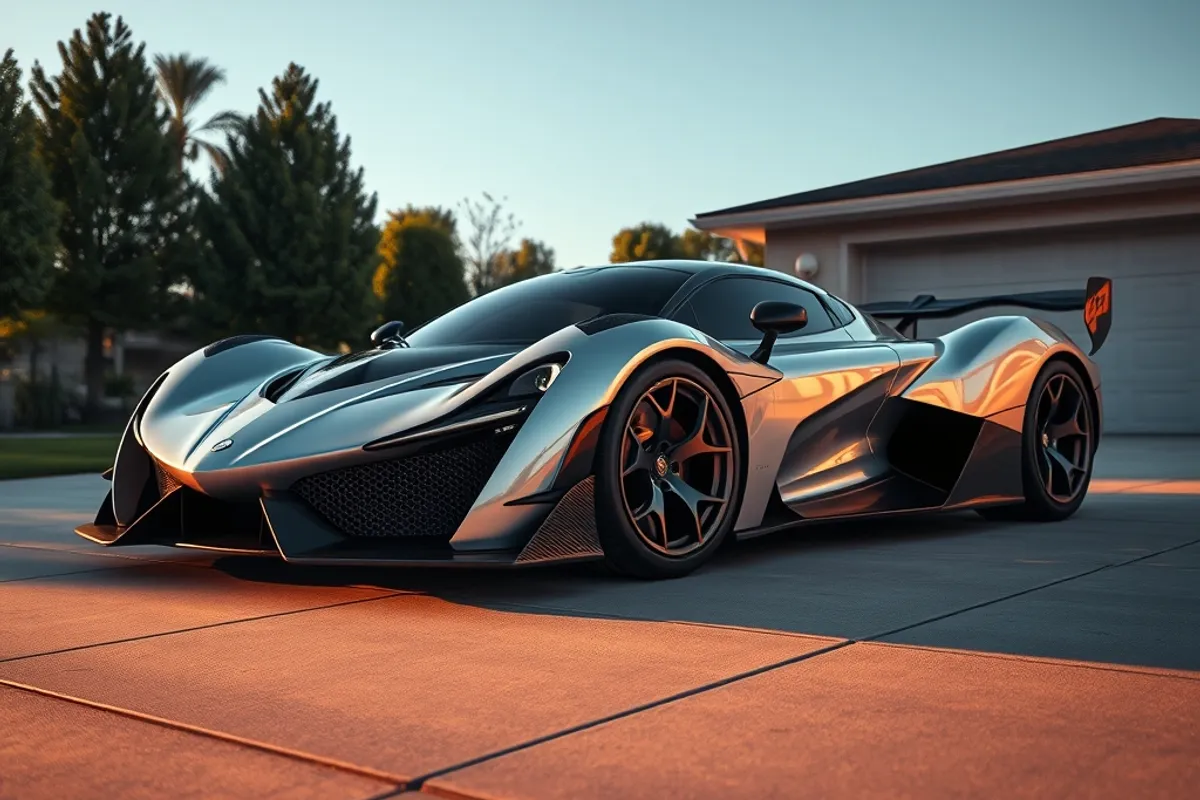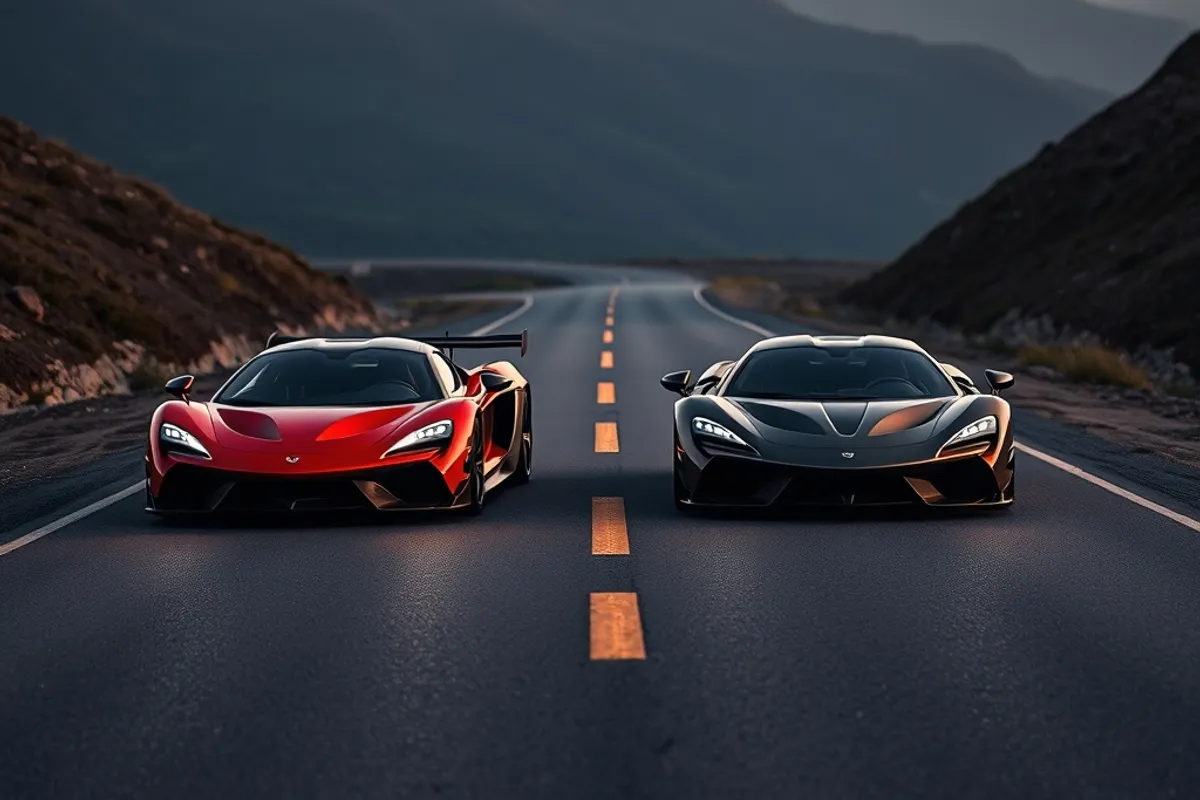
The Huracan and the 720S are the two used supercars most buyers cross-shop, and on paper they are close enough to make the decision agonising. Both are mid-engine, both are devastatingly quick, and both now sit in the same $180,000 to $260,000 band on the second-hand market.
The differences show up in how they feel, how they age and what they cost to keep alive. This comparison looks at pace, steering, usability, running costs and resale, and ends with a clear recommendation for two very different kinds of owner.
Key facts
- The Huracan uses a 5.2-litre naturally aspirated V10; the 720S uses a 4.0-litre twin-turbo V8.
- The 720S is quicker in a straight line; the Huracan sounds and responds more dramatically.
- McLaren parts and specialist labour are generally dearer than Audi-sourced Lamborghini parts.
- Both cars need annual servicing and regular tyre replacement.
- Resale is stronger on limited-run Huracan variants than on high-volume 720S cars.
Engine and pace
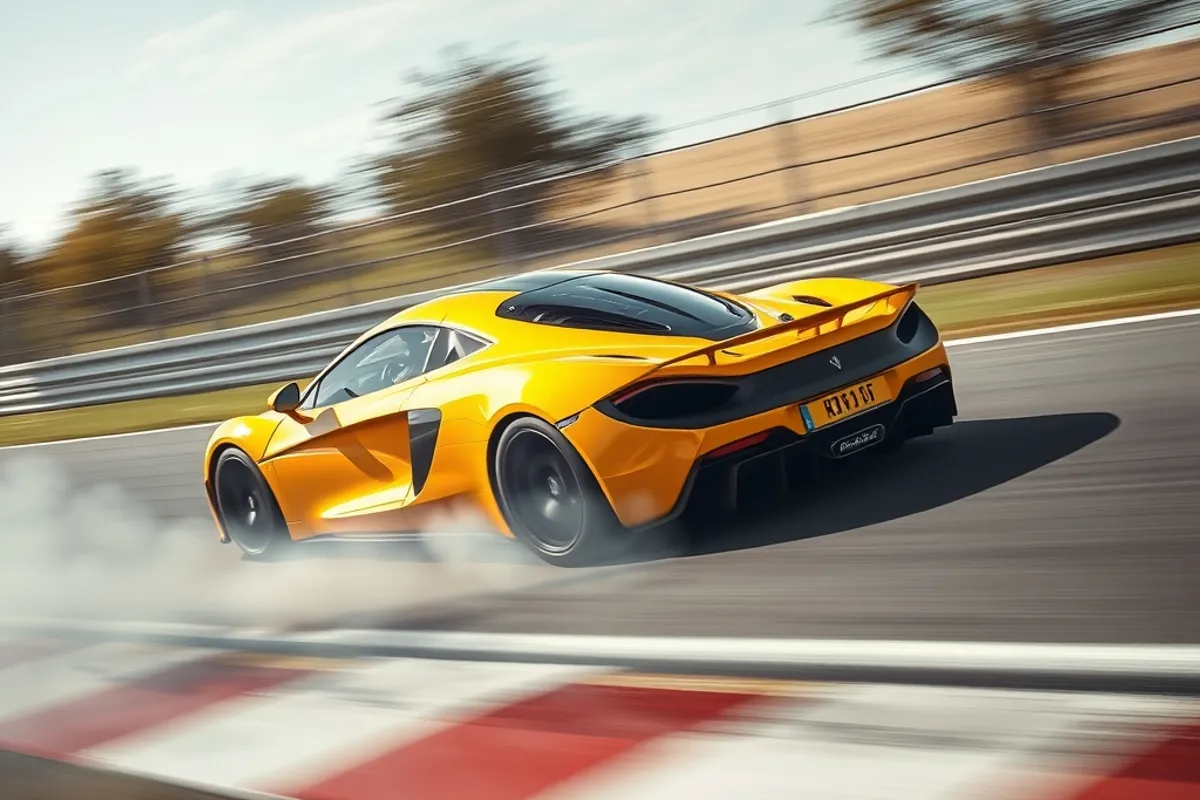
The 720S makes 710 horsepower from a twin-turbo V8 and delivers it with almost unnerving ease. Acceleration is violent but linear, and the dual-clutch gearbox swaps ratios faster than you can process. It is the quicker car in any measurable test, and it feels quicker still from the passenger seat.
The Huracan counters with a naturally aspirated V10 that builds power all the way to 8,500 rpm. It is not as fast point to point, but the noise and throttle response make it feel more alive. On a favourite road, most drivers will have more fun in the Lamborghini even though the McLaren disappears over the horizon.
Handling and steering feel
The 720S has the more sophisticated chassis. Its hydraulic suspension and active aerodynamics keep the body flat and the nose planted, and the steering is precise if a little remote. It shrinks around you on a tight road, which is remarkable for a car this wide.
The Huracan trades some of that polish for feedback. The steering weights up naturally, the all-wheel-drive system pulls you through corners, and the chassis communicates what the tyres are doing. It is less clinical and more conversational, and that is exactly why some owners prefer it.
Living with them day to day
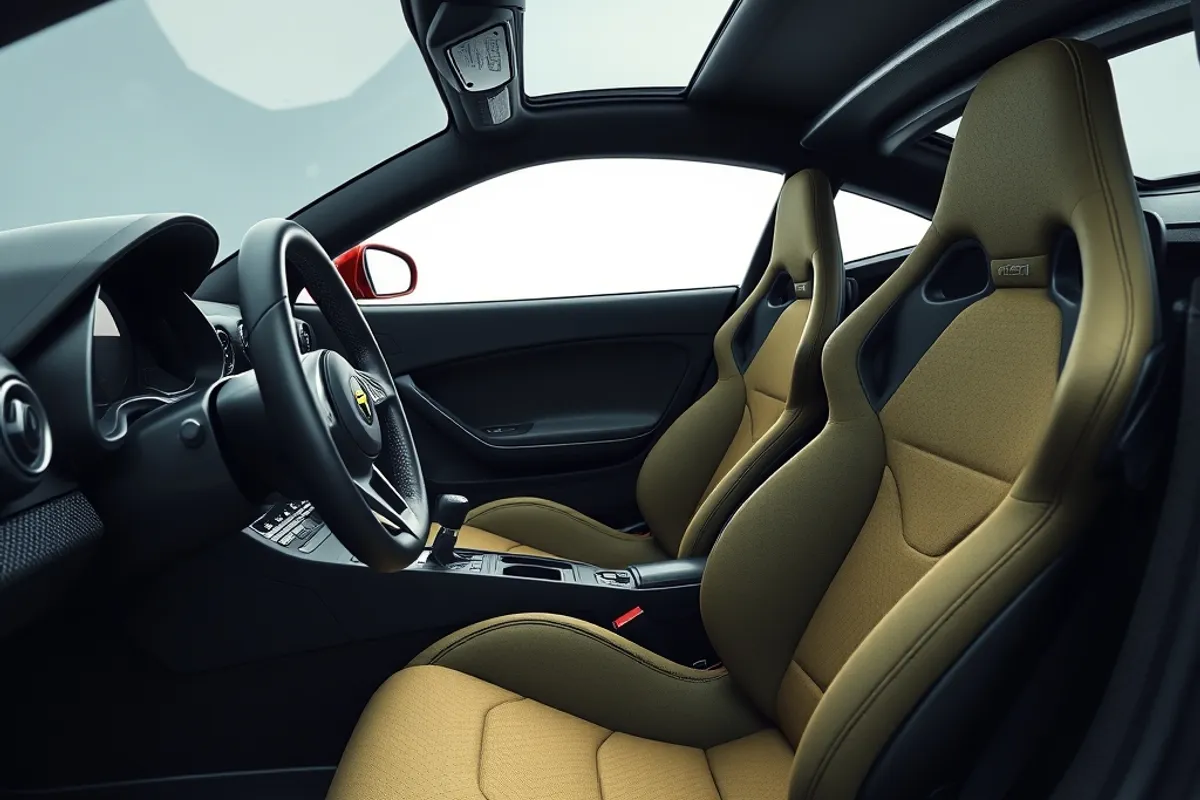
Neither car is a practical commuter, but the Huracan is the easier one to use. Visibility is better, the cabin is roomier, and the front luggage compartment swallows a weekend bag. The ride in its softest setting is firm but survivable, and the infotainment is dated but functional.
The 720S has the more dramatic cabin, with its folding driver display and glass doors, but entry and exit demand commitment and rear visibility is poor. The front boot is shallow and gets hot. It is a car you take out deliberately rather than one you casually run errands in.
Running costs and reliability
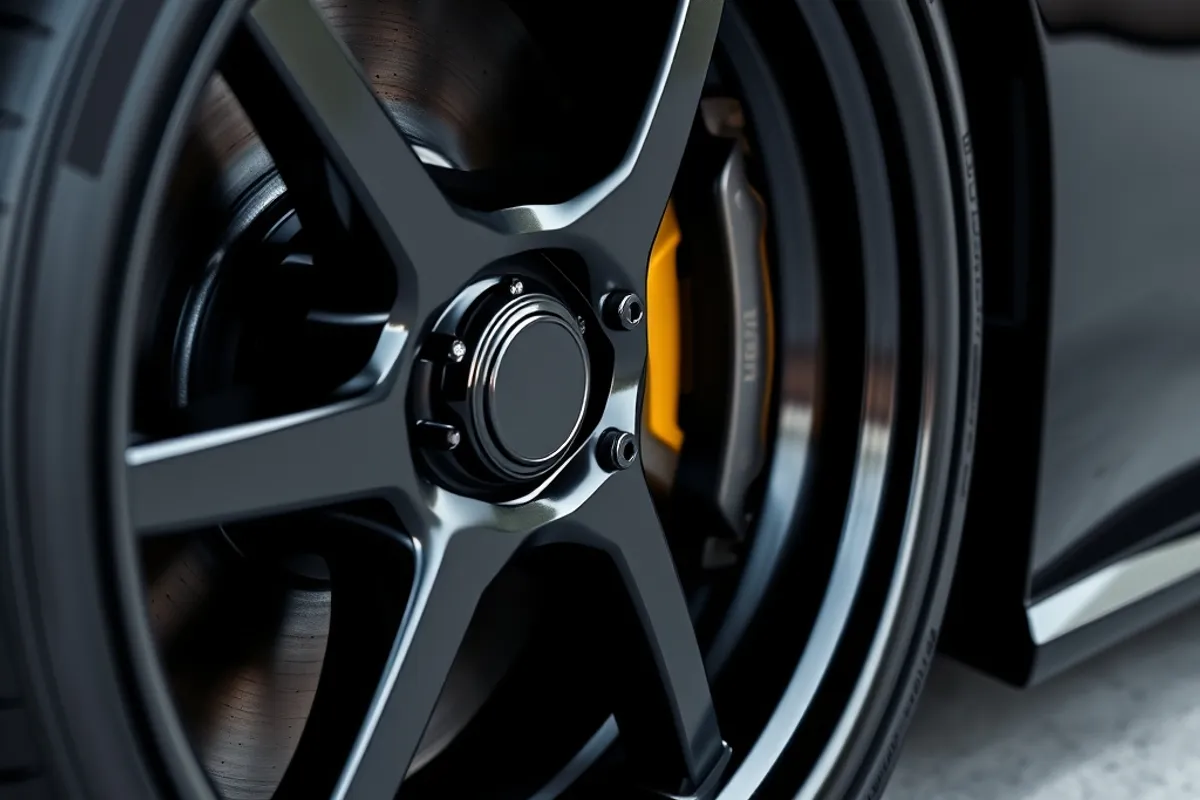
Lamborghini benefits from shared Audi engineering, so consumables such as filters, brakes and some suspension parts are easier to source. Annual servicing at an independent specialist typically runs $1,500 to $3,000, with a major service closer to $5,000. The V10 is robust when maintained on schedule.
McLaren servicing is not dramatically more expensive on paper, but parts availability and specialist labour push bills higher, and some early 720S cars had software and hydraulic issues. Buy a car with a full main-dealer history and an extended warranty if you can; the peace of mind is worth more than a lower sticker price.
The McLaren wins the stopwatch. The Lamborghini wins the driveway walk.
Depreciation and resale
The 720S depreciated hard from new, which is good news for a used buyer but less good when you come to sell. High-volume colours and high-mileage cars can sit on the market for months. Limited-run trims and low-mileage examples hold value far better.
The Huracan has the stronger residual story, particularly the Performante and STO variants. Even a standard LP610 holds value well because demand outstrips supply. If resale matters, the Lamborghini is the safer place to put your money.
Which one suits which owner
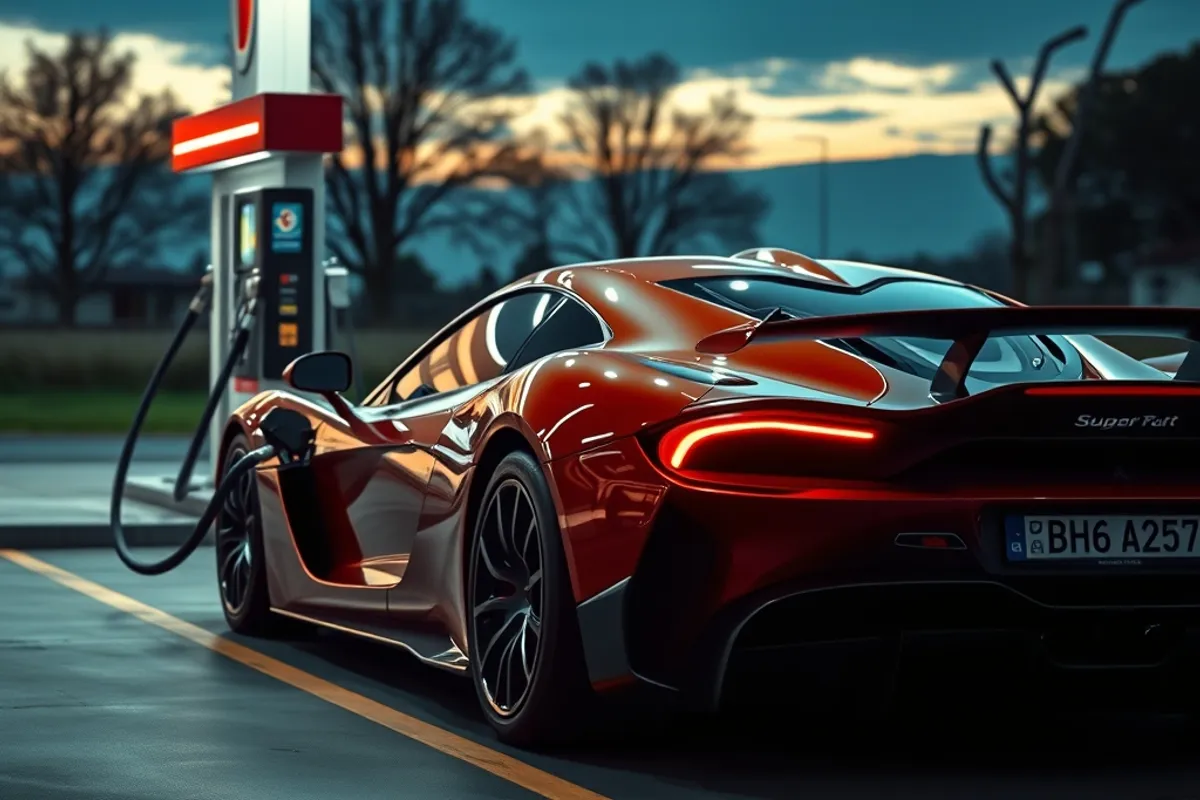
Choose the 720S if you want the most advanced, fastest car in the class and you have a dealer nearby with a good warranty. It rewards smooth inputs and long, fast roads, and it still feels like a spaceship years after launch.
Choose the Huracan if you want drama, noise and a car that feels special at 30 mph as well as 130. It is the better weekend companion and the easier one to own. If you are still deciding whether to buy used at all, start with our used supercar guide for inspection and budget advice.
The verdict
The 720S is the better engineering achievement. The Huracan is the better supercar to live with. For most buyers spending their own money, the Lamborghini wins on sound, usability and resale, and those are the things you notice every single day.
If money is no object and the car will be used mostly on track or on fast continental roads, the McLaren's pace is intoxicating. Either way, get an inspection, check the recall history with the NHTSA recall database, and browse our Supercar Reviews before you commit.
Official source: nhtsa.gov.