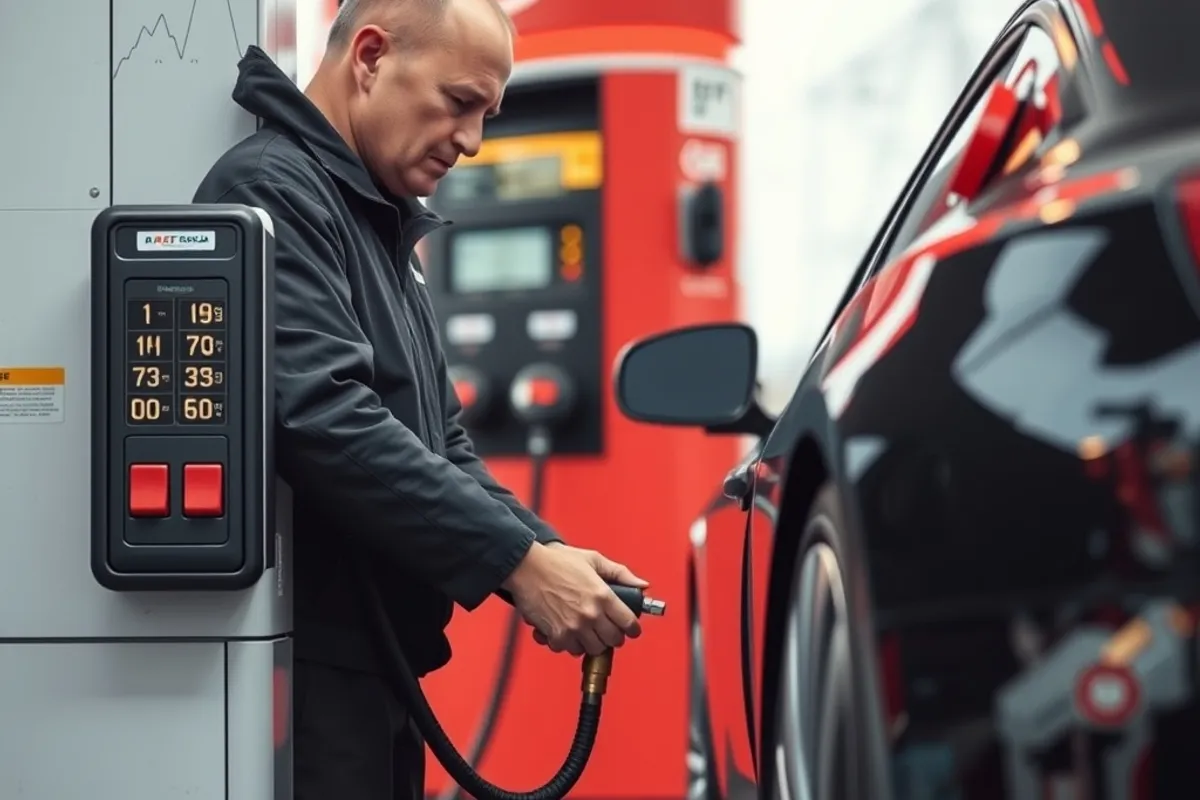
Fuel prices move for reasons no driver controls, but consumption is different. The way you inflate, load, service and drive a car can change its real-world economy by 10 to 20 percent, and most of that gain costs nothing beyond a little attention.
This guide sets out nine changes that actually move the number, in order of effort versus reward, and explains the myths that drain money without saving fuel.
Key facts
- Under-inflated tyres can raise fuel use by up to 3 percent.
- Every 100 pounds of unnecessary weight adds roughly 1 percent to fuel consumption.
- Roof boxes can increase drag and fuel use by 10 to 25 percent at highway speed.
- A clogged air filter and worn spark plugs both hurt economy.
- Smooth driving with steady speeds can beat the official combined figure.
Start with tyre pressure, not a new car
Tyres are the cheapest fuel-efficiency upgrade on any vehicle. A tyre 8 psi below its recommended pressure has more rolling resistance, wears faster and can cost 2 to 3 percent in fuel. Check pressures cold, once a month, including the spare.
Use the pressure on the door jamb, not the maximum on the sidewall. If you regularly carry a full load, use the higher figure in the owner's manual. A $20 gauge and a five-minute routine will save more than most aftermarket gadgets.
Take the weight and the roof rack off
Extra weight costs fuel every time you accelerate. Clear the boot of tools, sports kit and the case of bottled water you have been carrying since summer. Every 100 pounds adds roughly 1 percent to consumption in town.
Roof boxes and bike racks are worse than weight because they create drag. A roof box can add 10 to 25 percent to highway fuel use. Remove it when not in use; the ten minutes it takes is the best-paying maintenance job on the car.
Drive smoothly and look further ahead
The single biggest variable is the driver. Hard acceleration, late braking and constant speed changes burn fuel that smooth inputs save. Look two or three cars ahead, lift early for junctions and keep a steady throttle wherever possible.
Use cruise control on flat highways, but turn it off in hilly terrain where it holds speed by adding fuel. In town, accelerate briskly to your target speed and then ease off; creeping up to speed slowly is not automatically more efficient.
Keep the engine breathing and use the right fuel
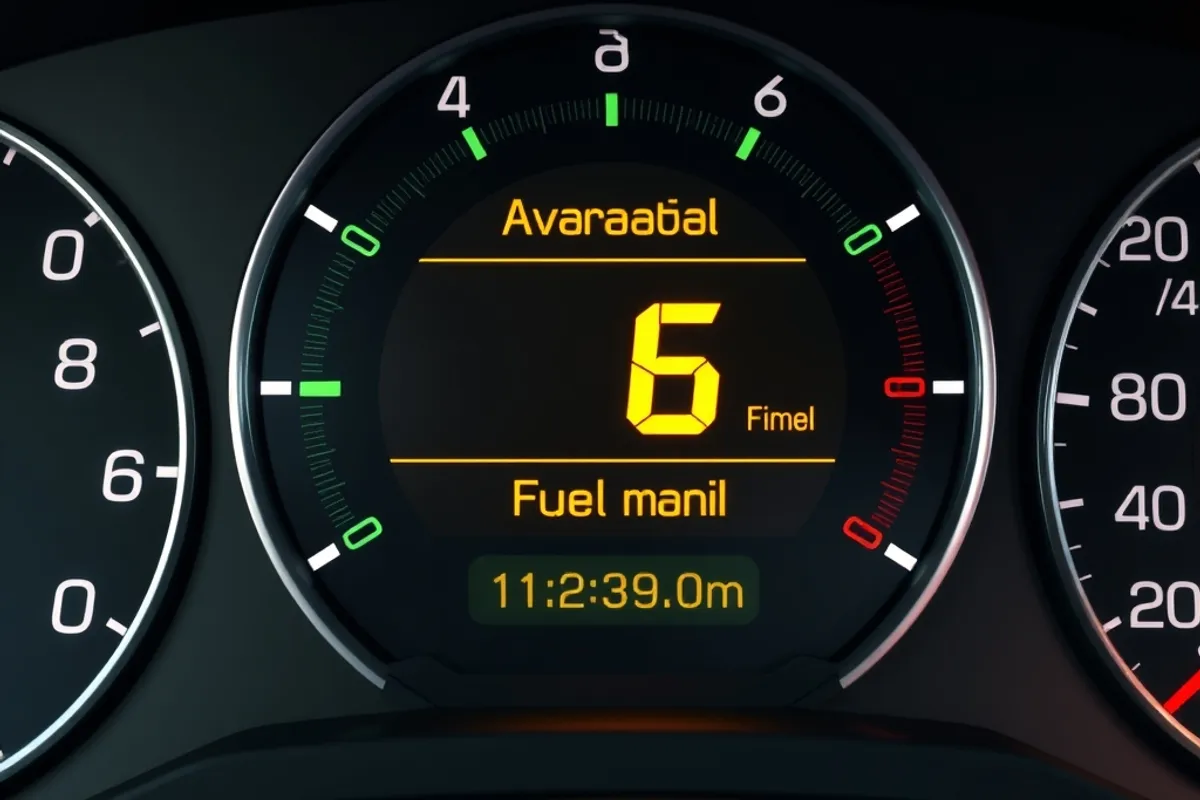
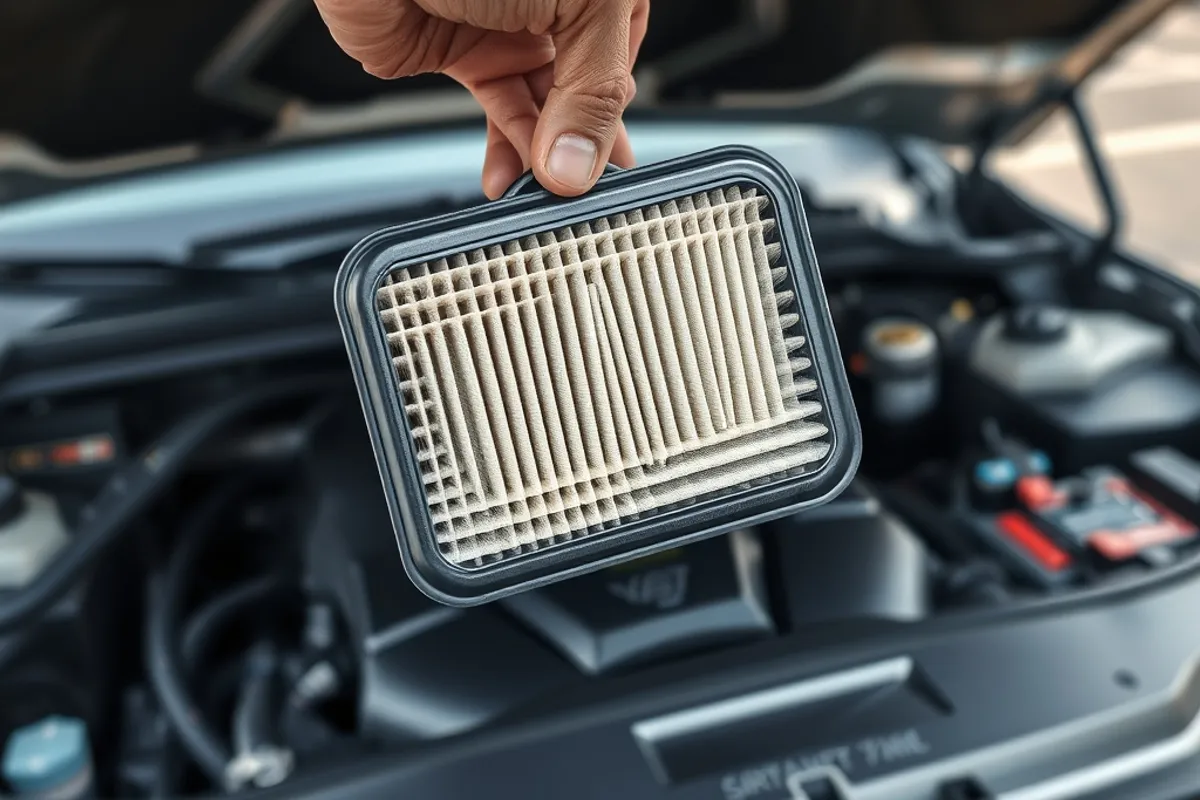
A dirty air filter, worn spark plugs and old engine oil all reduce efficiency. Follow the service schedule, replace the filter when it is dirty and use the oil grade the manufacturer specifies. Check for a dragging brake after a drive by feeling each wheel hub for unusual heat; fixing a sticking caliper often pays for itself in fuel and tyre wear.
Use the octane rating the manufacturer recommends. Premium fuel does not improve economy in an engine designed for regular, and most additives are unnecessary for a healthy engine. If you suspect carbon build-up or a dirty injector, have the car diagnosed rather than pouring a bottle into the tank.
The cheapest fuel saving is the one you find in your own driveway.
Air conditioning, windows and idling
Air conditioning uses fuel, but at highway speed it is usually cheaper than opening the windows, which adds drag. Below about 45 mph, windows down is the better bet. Use recirculation mode to cool the cabin faster, and park in the shade when you can.
Idling returns zero miles per gallon. Modern engines do not need a long warm-up; drive gently for the first few minutes instead. If you are stopped for more than a minute, switch the engine off, provided it is safe and legal to do so.
Plan routes, combine trips and track the result
Cold engines are inefficient, so several short trips are worse than one longer journey. Combine errands, plan the route to avoid the worst congestion and avoid peak hours where possible. A slightly longer motorway route can beat a shorter stop-start route on fuel and on time.
Fill the tank to the same point each time, reset the trip meter and divide miles by gallons at the next fill. Track that figure for a month before and after each change so you know what worked. If consumption is still high, get the car checked for a dragging brake or a faulty sensor.
The verdict
Start with tyre pressures, remove the roof box and clear the boot. Then smooth out your driving and keep up with servicing. Those four steps cost little and usually recover most of the available saving, often 8 to 15 percent in mixed driving.
Only consider changing cars once the cheap fixes are done. For official consumption figures and comparison tools, use the US Department of Energy fuel economy site, and browse more Fuel Efficiency guides for model-specific advice.
Official source: fueleconomy.gov.