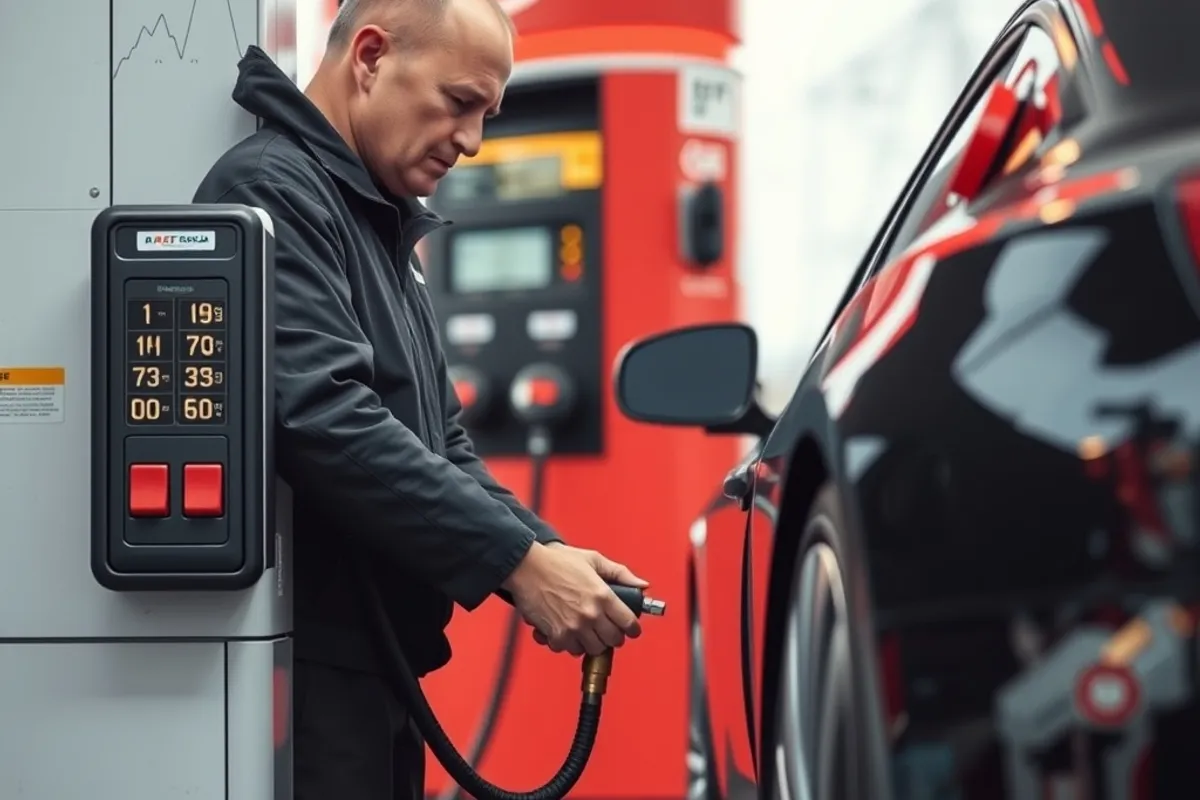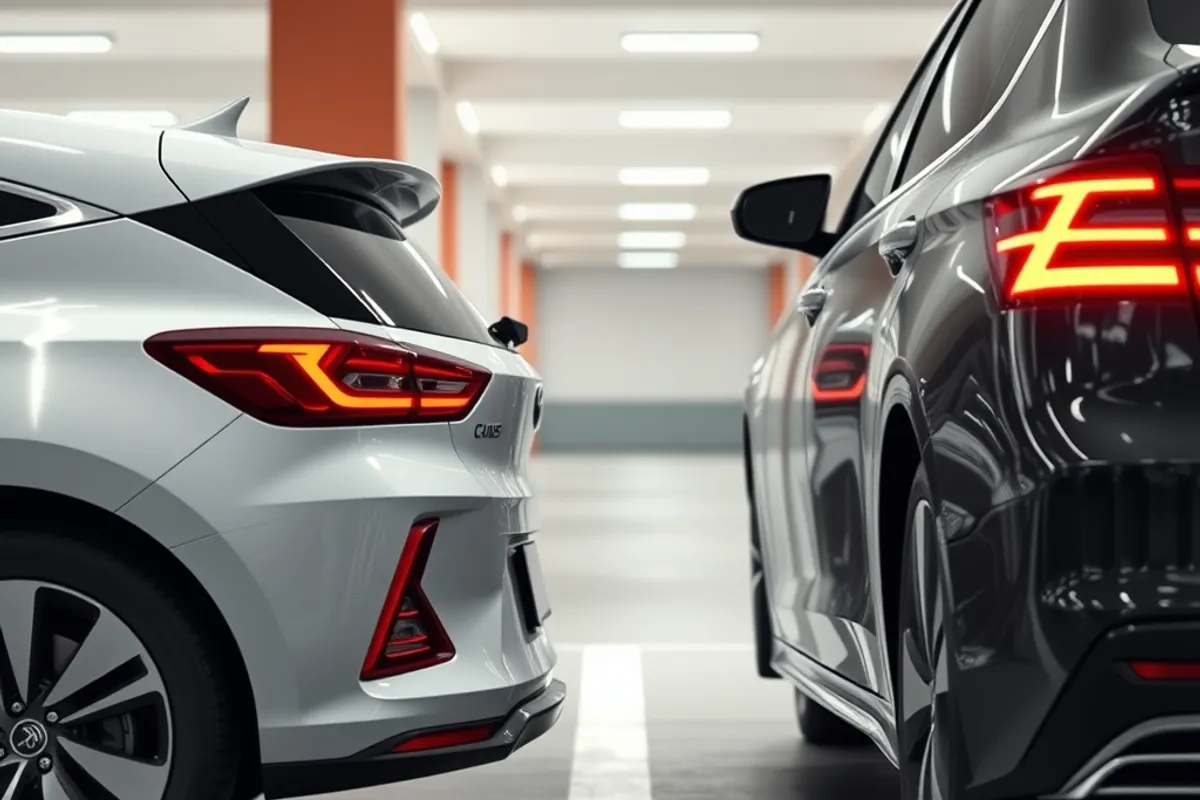
Hybrids have moved from niche to mainstream, and in 2026 almost every popular model offers one. The pitch is simple: better fuel economy without a charging cable. The reality depends on where you drive, how long you keep the car and how much extra the hybrid version costs.
This guide compares hybrid and petrol cars on real-world fuel use, purchase price, maintenance and resale, and shows the mileage at which the hybrid premium pays for itself.
Key facts
- Hybrids save the most fuel in stop-start city driving, where the electric motor does more work.
- Highway gains are smaller, often 5 to 15 percent versus a comparable petrol car.
- The hybrid premium is typically $1,500 to $4,000 on the same model.
- Hybrid brakes last longer because regenerative braking does much of the slowing.
- Most hybrid batteries carry an 8 to 10-year warranty and outlast the average ownership period.
How a hybrid actually saves fuel
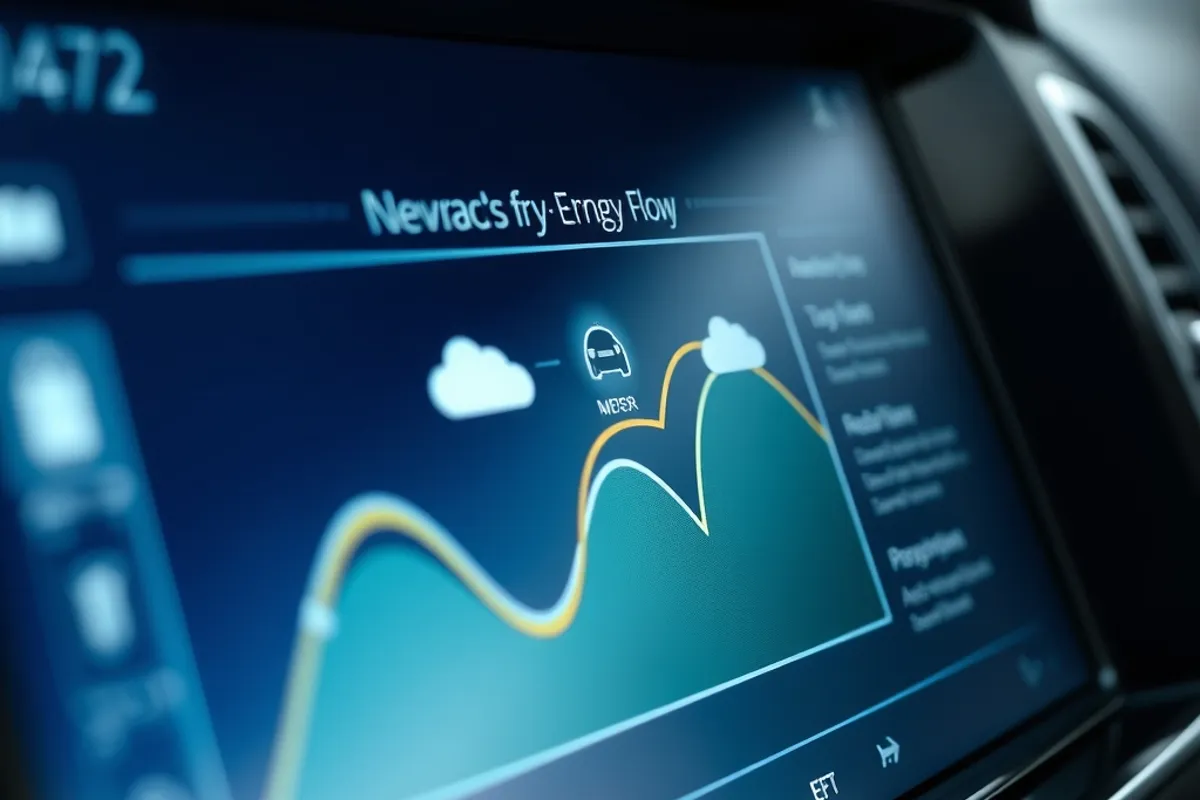
A hybrid pairs a petrol engine with an electric motor and a small battery. The motor helps during acceleration, the engine shuts off when you coast or stop, and regenerative braking recovers energy that would otherwise become heat. There is no plug; the car manages the battery itself.
The benefit is largest in low-speed, stop-start driving, where the engine can switch off frequently and the motor can move the car alone. On a steady highway cruise the engine does almost all the work, so the advantage shrinks to aerodynamics and gearing.
City, highway and mixed driving compared
In dense city traffic, a modern hybrid can beat its petrol twin by 30 to 50 percent. That is where the technology shines: traffic lights, queues and short trips that would otherwise run a cold engine inefficiently.
On a 70 mph motorway run, expect 5 to 15 percent. The hybrid still helps a little, but the petrol car is already near its most efficient. If most of your driving is long-distance cruising, the fuel saving alone rarely justifies the premium.
The purchase premium and payback mileage
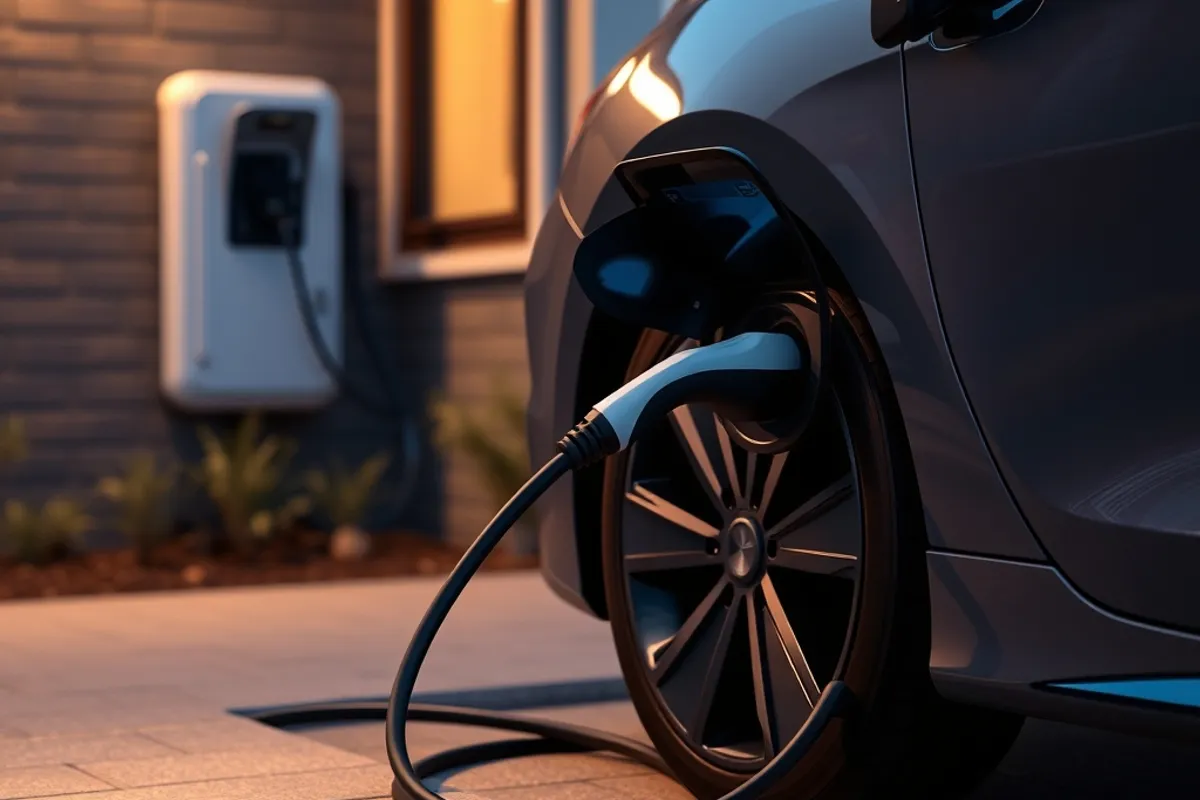
The hybrid version of the same car usually costs $1,500 to $4,000 more. At $3.50 a gallon and a 12,000-mile year, a 15 mpg improvement from 35 to 50 mpg saves roughly $360 a year. A $2,500 premium therefore takes about seven years to repay on fuel alone.
In mostly city driving the gap can close in three to four years. If you keep cars for a decade, the hybrid usually wins. If you trade every three years, the maths is much tighter, and resale strength becomes the deciding factor.
Maintenance, brakes and fluids
Hybrids are not maintenance-free, but some costs are lower. Regenerative braking means the friction brakes are used less, so pads and discs often last 60,000 to 100,000 miles. The petrol engine still needs oil changes, filters and coolant, and the inverter has its own cooling system.
Find a workshop that understands high-voltage systems before you buy. Most routine work is the same as any petrol car, but the battery and inverter should be left to trained technicians. Independent hybrid specialists are common now and usually cheaper than dealers.

A hybrid saves fuel where the engine would otherwise idle. On a motorway, it mostly saves face.
Battery life and long-term risk
Modern hybrid batteries are designed to last the life of the car. Most manufacturers warrant them for eight to ten years or 100,000 miles, and many examples run far beyond that. Unlike early hybrids, current packs rarely fail suddenly.
Replacement costs have fallen but remain significant, typically $2,000 to $5,000 depending on the model. Buy a car with a health check and a warranty if it is older than seven years, and avoid any example with a warning light or a history of cooling faults.
Who should choose which
Choose a hybrid if you drive mostly in town, keep cars for six years or more, and value lower fuel bills and longer brake life. It is also the easier transition for anyone without home charging who wants to cut consumption without changing habits.
Choose petrol if you mostly cruise on highways, do low annual mileage or plan to sell within three years. A efficient petrol car can be the cheaper overall choice, and it avoids the mild complexity of a second power system.
The verdict
For urban and suburban drivers, the hybrid is the better financial and environmental choice in 2026. For high-mileage motorway drivers, a efficient petrol or a plug-in hybrid used on electric power may work out cheaper. Run your own annual mileage and fuel price before deciding.
Whatever you choose, apply the free efficiency habits in our nine-step fuel guide first; they can recover half the hybrid's advantage for nothing. For official comparisons, see the US Department of Energy hybrid data, then browse more Fuel Efficiency guides.
Official source: fueleconomy.gov.