The American road trip is an idea as much as a route, but the difference between a great drive and a exhausting one comes down to planning. The wrong season, an unrealistic daily mileage or a car that is not ready can turn a bucket-list road into a slog.
This guide covers six routes that reward the driver as well as the passenger, with the best season for each, realistic driving times and the practical details that guidebooks tend to skip.
Key facts
- The Pacific Coast Highway runs about 655 miles from San Francisco to Los Angeles via the coast.
- The Blue Ridge Parkway is 469 miles of protected parkland road with a 45 mph limit.
- Route 66 crosses eight states and roughly 2,400 miles.
- Utah Scenic Byway 12 is 124 miles and includes stretches above 9,000 feet.
- Book accommodation in national park gateways at least two months ahead in summer.
How we chose these routes
We looked for roads where the driving itself is the attraction, not just a way to reach a city. Each route had to offer a mix of scenery, places to stop and a sensible daily distance for a normal car. We also weighted shoulder-season usability, because a route that is only good for three weeks in July is hard to recommend.
Distances and drive times are based on public road data and our own trip planning. Always check current road conditions, closures and park rules before you leave; mountain weather and wildfire seasons can change a route overnight.
Pacific Coast Highway, California
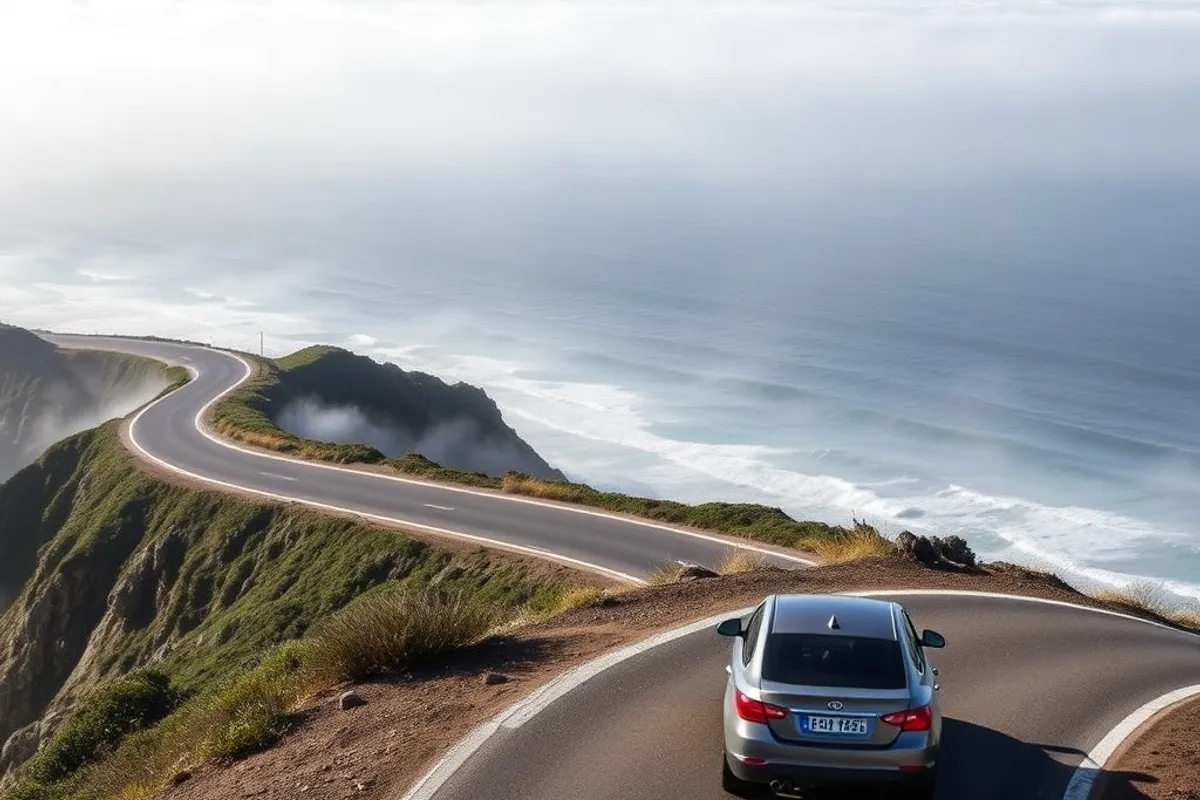
The stretch from San Francisco through Big Sur to Los Angeles is the definitive coastal drive. Redwood groves, cliff-edge bridges and ocean views open around every bend. Allow four to six days so you can stop at Point Lobos, McWay Falls and the elephant seal rookeries without rushing.
Go in September or early October for the best mix of clear weather and smaller crowds. The road is narrow and slow in places, and RVs can back up traffic for miles. Book lodging in Monterey, Big Sur and San Luis Obispo early; affordable rooms near the coast sell out months ahead.
Blue Ridge Parkway, Virginia and North Carolina
The Blue Ridge Parkway is 469 miles of curves, overlooks and forest, with no commercial traffic and a strict 45 mph limit. It is less about covering distance and more about pulling over. Allow three to five days and plan short hiking stops at Craggy Gardens and Graveyard Fields.
Late spring and autumn are the best windows; autumn colour draws crowds, so book gateway towns such as Asheville and Blowing Rock well ahead. Fog and sudden rain are common at elevation, and some facilities close in winter. Carry food and water because services are sparse.
Route 66, Illinois to California
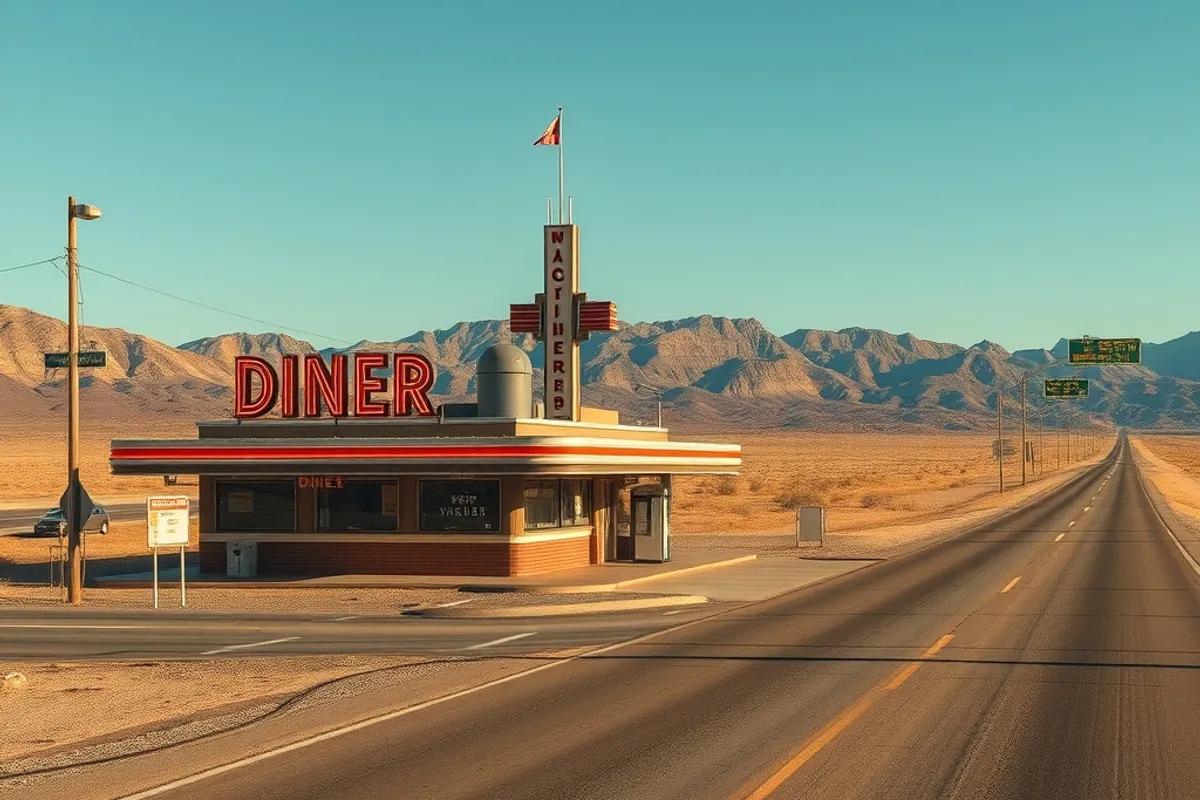
Route 66 is the nostalgia route: neon signs, roadside diners, abandoned garages and long straight prairies. The original road no longer exists as a single highway, so you follow alignments and frontage roads. Plan two to three weeks to cover it properly, or pick one state for a shorter trip.
The best sections for a first visit are Missouri and New Mexico, where attractions are close together and the old road is easy to follow. A modern car is fine; you do not need a classic. Keep expectations realistic: some stretches are commercial and worn, and the charm is in the stops rather than constant scenery.
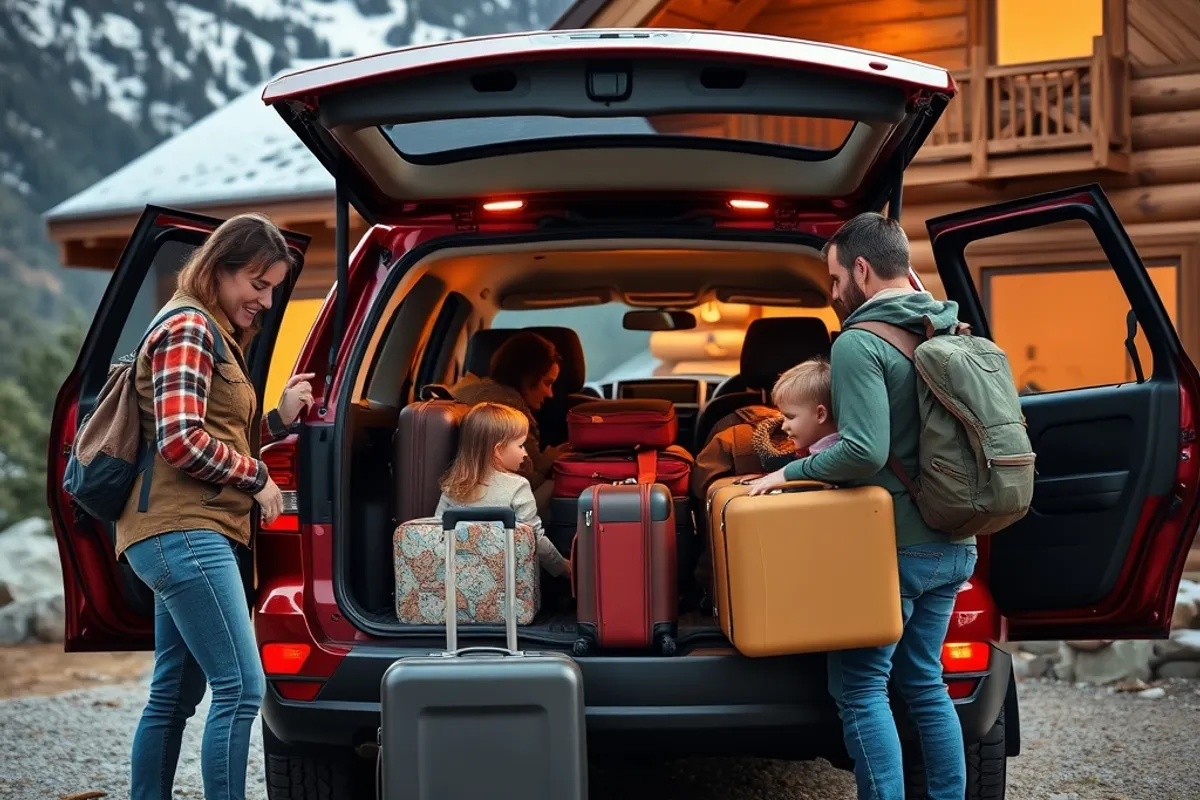
The best road trip is not the longest one. It is the one where nobody is watching the clock.
Scenic Byway 12, Utah
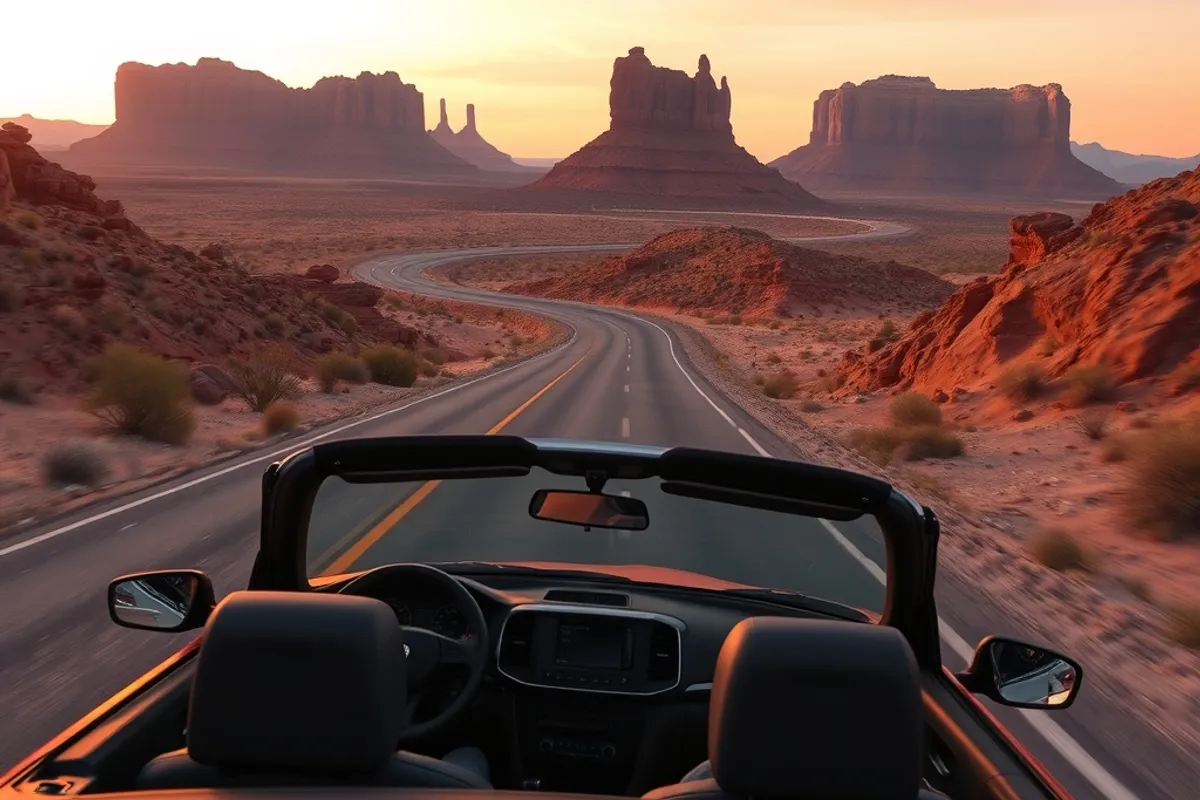
Utah's Highway 12 runs 124 miles between Panguitch and Torrey, through red rock canyons, alpine forest and the Grand Staircase-Escalante area. It is one of the most dramatic drives in the country, with steep grades, tight curves and elevations above 9,000 feet.
Allow two days and base yourself in Escalante or Boulder. The road is fully paved but has sheer drops and little shade. Fill the tank before you start, carry water and avoid driving it after dark. Spring and autumn are ideal; summer heat and winter snow both demand respect.
Great Lakes Circle, Midwest and Ontario
A loop around the Great Lakes covers roughly 6,000 miles if you include all five, but a one-week sampler from Chicago through Michigan, Ontario and back is more realistic. Expect dunes, lighthouses, small harbour towns and long stretches of water on both sides.
Cross-border travel needs a passport and a plan for tolls and roaming. Summer is the season, but book ferries and lakefront hotels early. This is a route for travellers who like variety: city food, quiet backroads and national lakeshores in the same week.
Planning, costs and the verdict
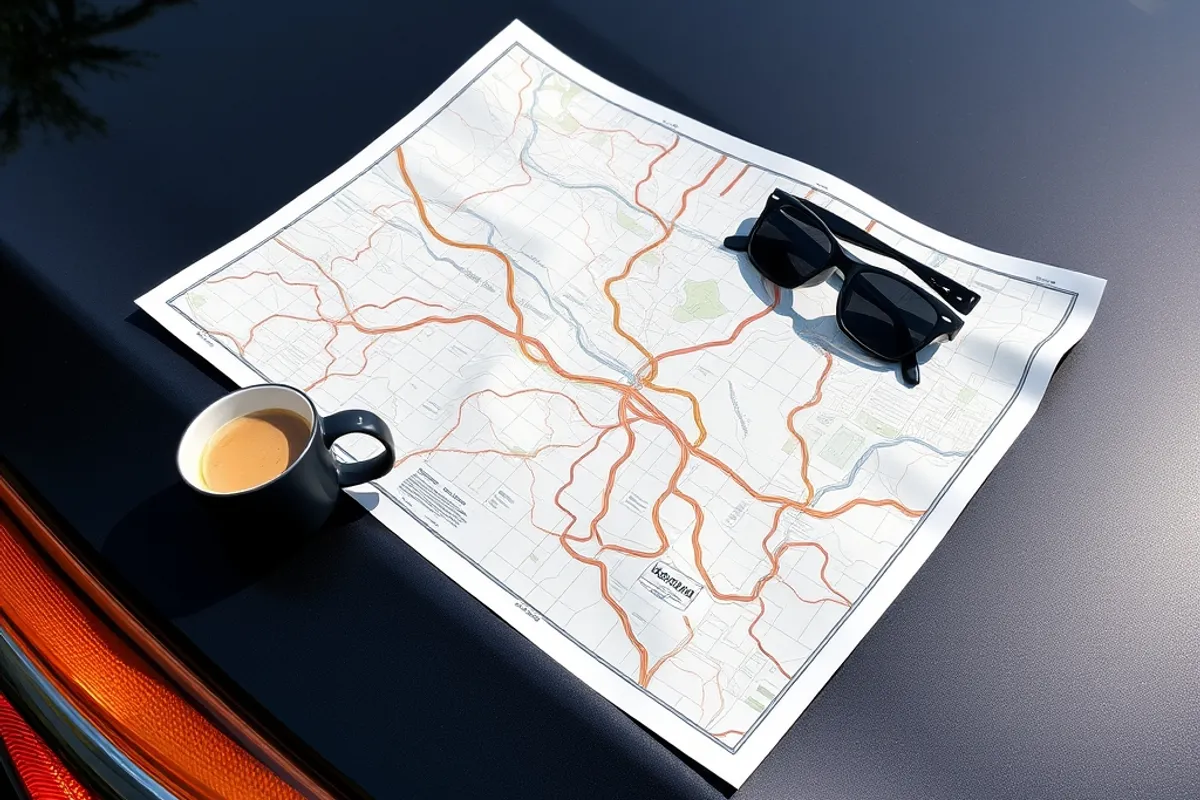
Whatever route you choose, keep daily mileage under 250 miles if you want to enjoy it. Budget $150 to $300 a day for two people including fuel, food and a mid-range motel, more in peak season and near national parks. Carry a physical map as well as a phone.
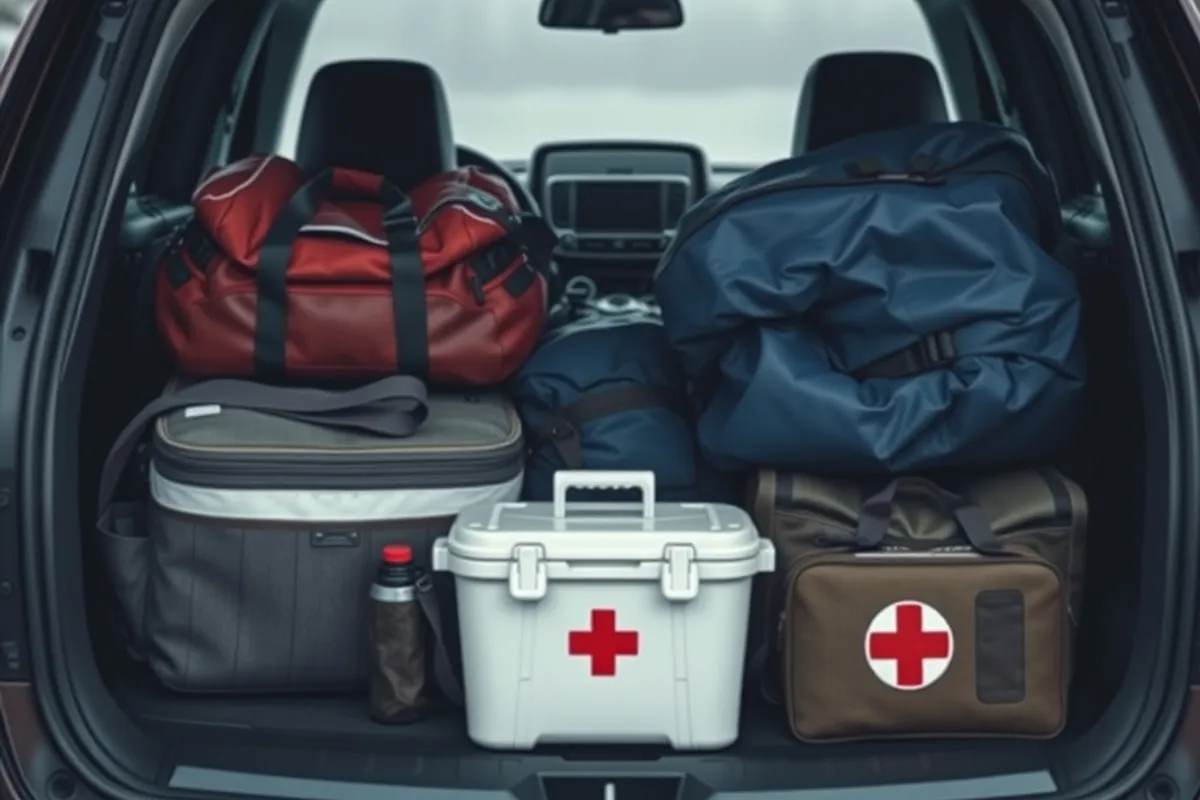
For a first long trip, the Pacific Coast Highway is the easiest win. For scenery per mile, Byway 12 is unbeatable. For nostalgia, Route 66. Pack the car with our road trip packing list, and browse more Road Trip guides before you set off.
Official source: nps.gov.