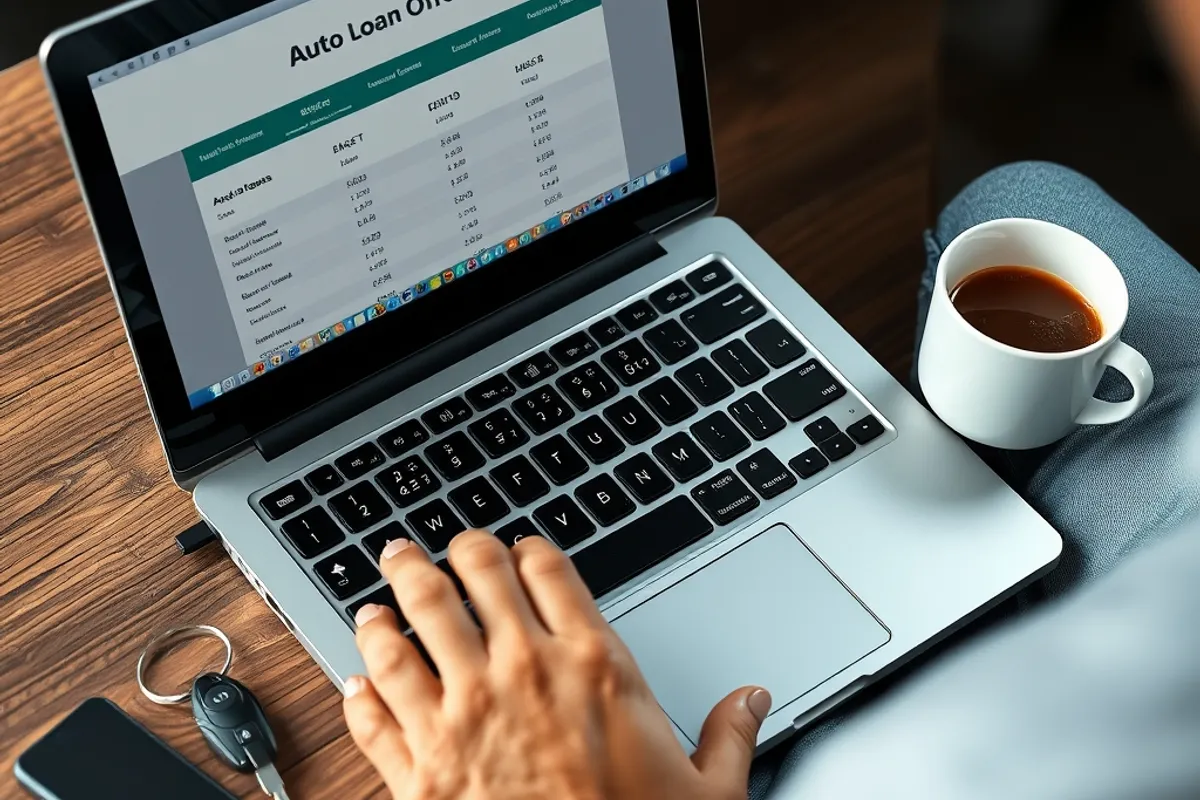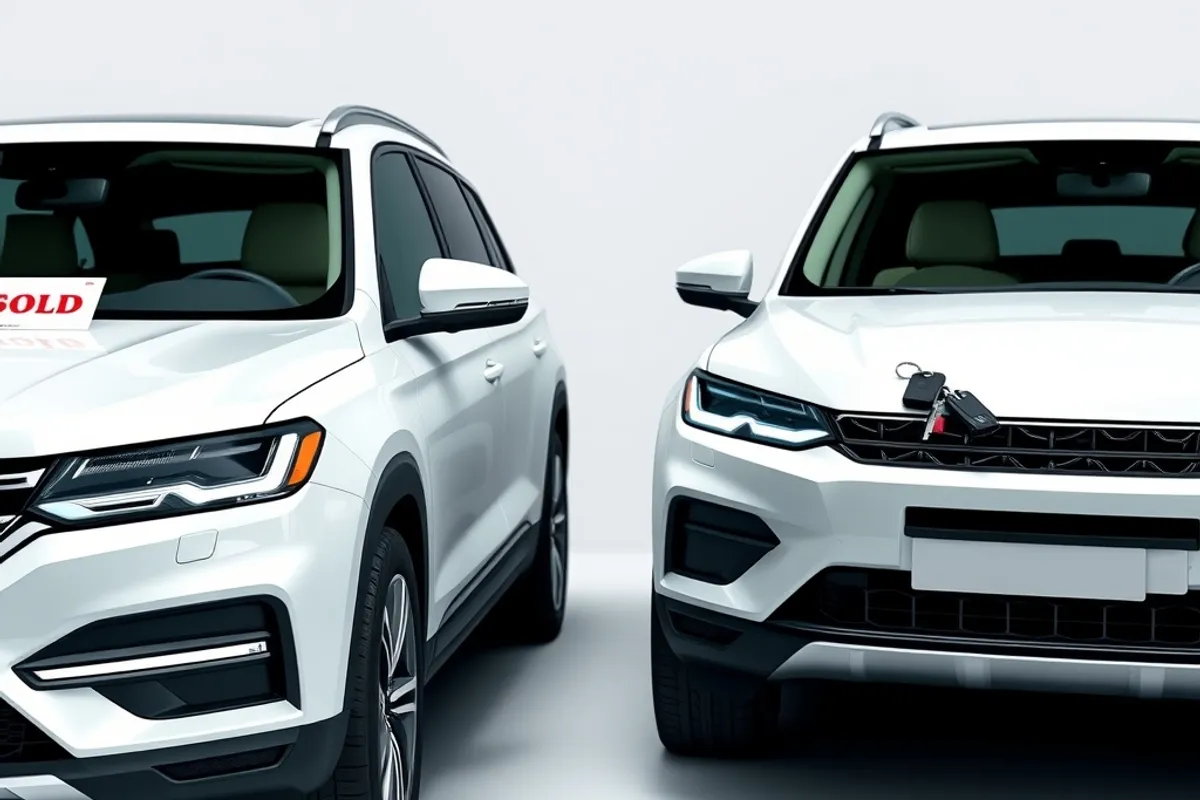
Leasing sells a low monthly payment. Buying sells ownership. The two are not directly comparable, which is why so many buyers choose on the monthly figure and discover the real cost years later. A lease can be excellent value for the right driver and a trap for the wrong one.
This guide compares leasing and buying on total cost, mileage, depreciation, maintenance and flexibility, and sets out the circumstances in which each one genuinely wins.
Key facts
- A lease payment covers depreciation plus rent, not the whole car.
- Leases typically limit mileage to 10,000 to 15,000 miles a year.
- Excess mileage charges often run $0.20 to $0.30 per mile.
- Buying builds equity; leasing builds nothing unless you buy out the car.
- Leasing usually costs less per month but more over repeated cycles.
How leasing works
A lease is a long rental with a fixed residual value. You pay the depreciation between the sale price and the projected value at the end, plus rent on the money the lender has tied up. That is why a lease payment is often 30 to 40 percent lower than a loan payment on the same car.
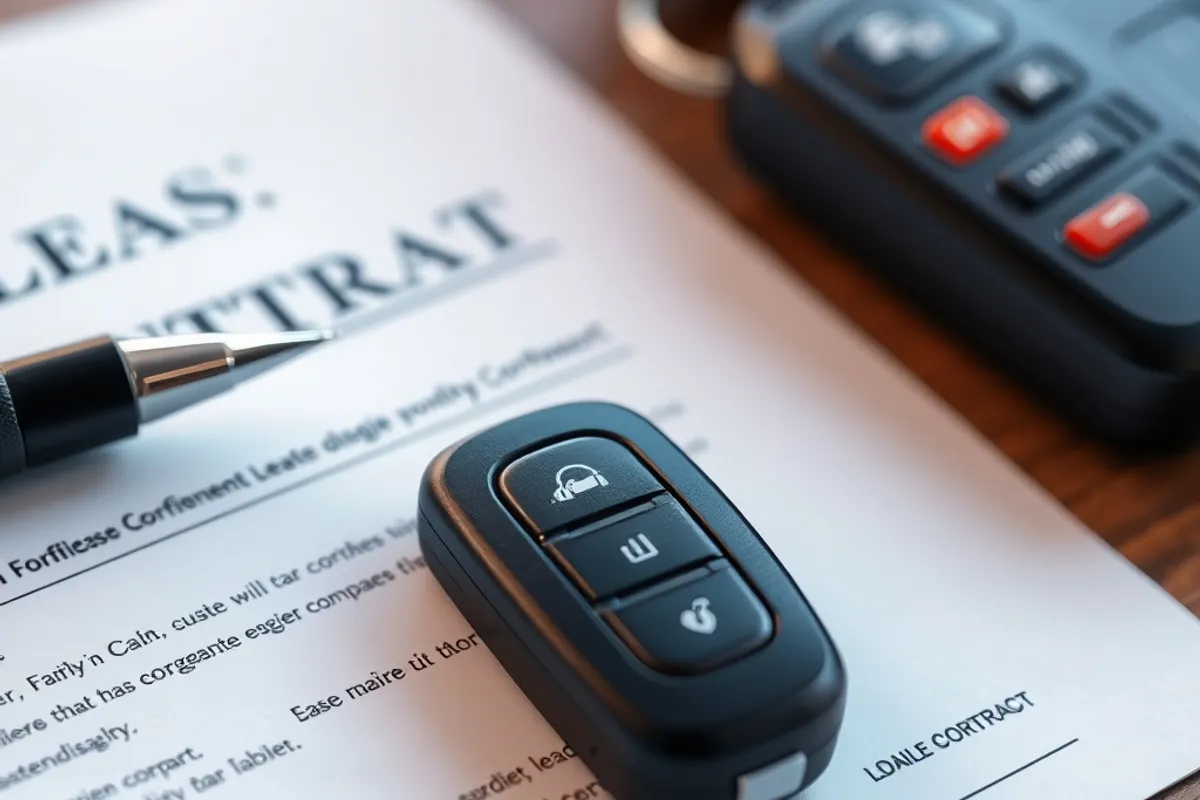
At the end you return the car, buy it for the residual or roll into another lease. Mileage caps, wear charges and early-termination fees are the risks. A lease is a financial product with a contract, not a subscription you can cancel when life changes.
How buying works
Buying with a loan means paying the full price plus interest over a fixed term. At the end you own an asset with resale value. You can modify the car, drive unlimited miles and sell it whenever you like, although you carry the depreciation and repair risk.
Cash buying avoids interest altogether but ties up capital that could earn elsewhere. The right comparison is not cash versus loan; it is the total cost of each route including what the money could otherwise do.
Monthly payment versus total cost
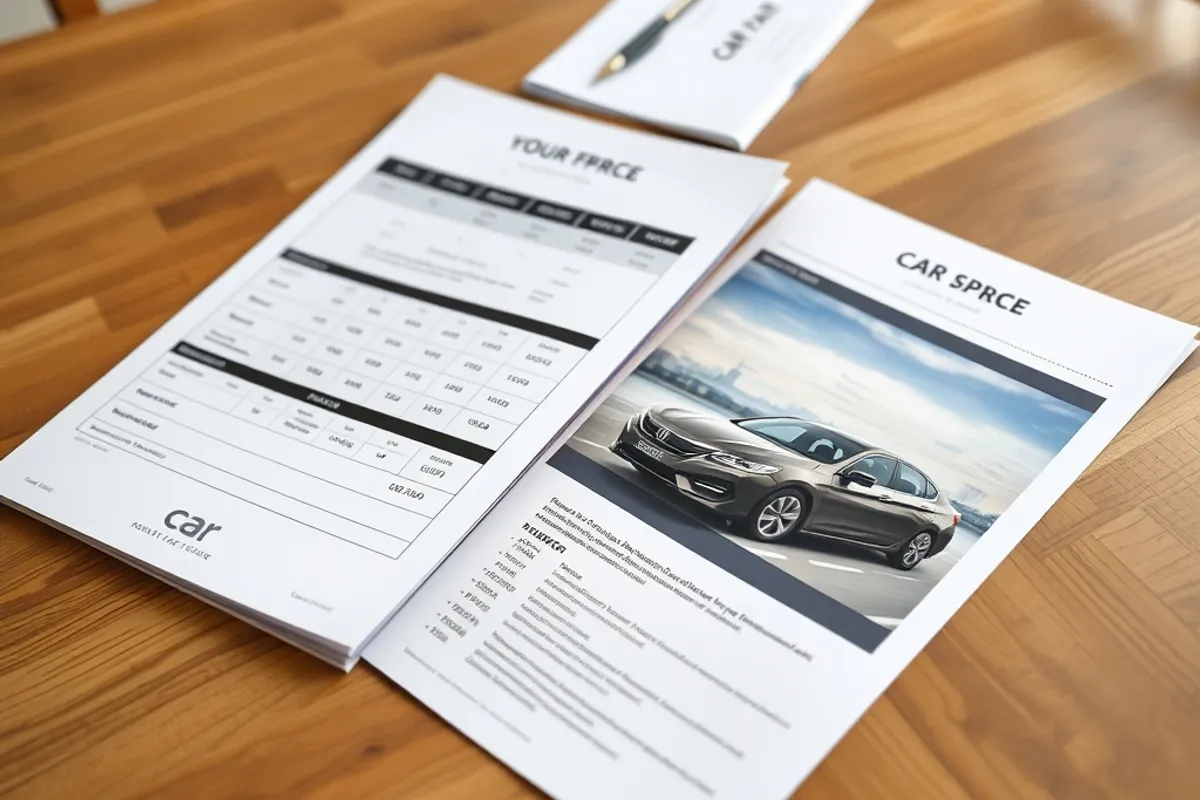
Monthly payment is a cash-flow measure, not a cost measure. A $450 lease and a $650 loan are not directly comparable because the loan ends with an asset and the lease ends with nothing. Compare the total spent over the same period, then subtract the resale value of the bought car.
Take a $40,000 car kept for three years. A lease might cost $16,000 in payments with nothing left over. A loan might cost $23,000 in payments but leave a car worth $24,000, meaning the net cost is lower. The monthly figure hides that completely.
Mileage, wear and the end-of-lease bill
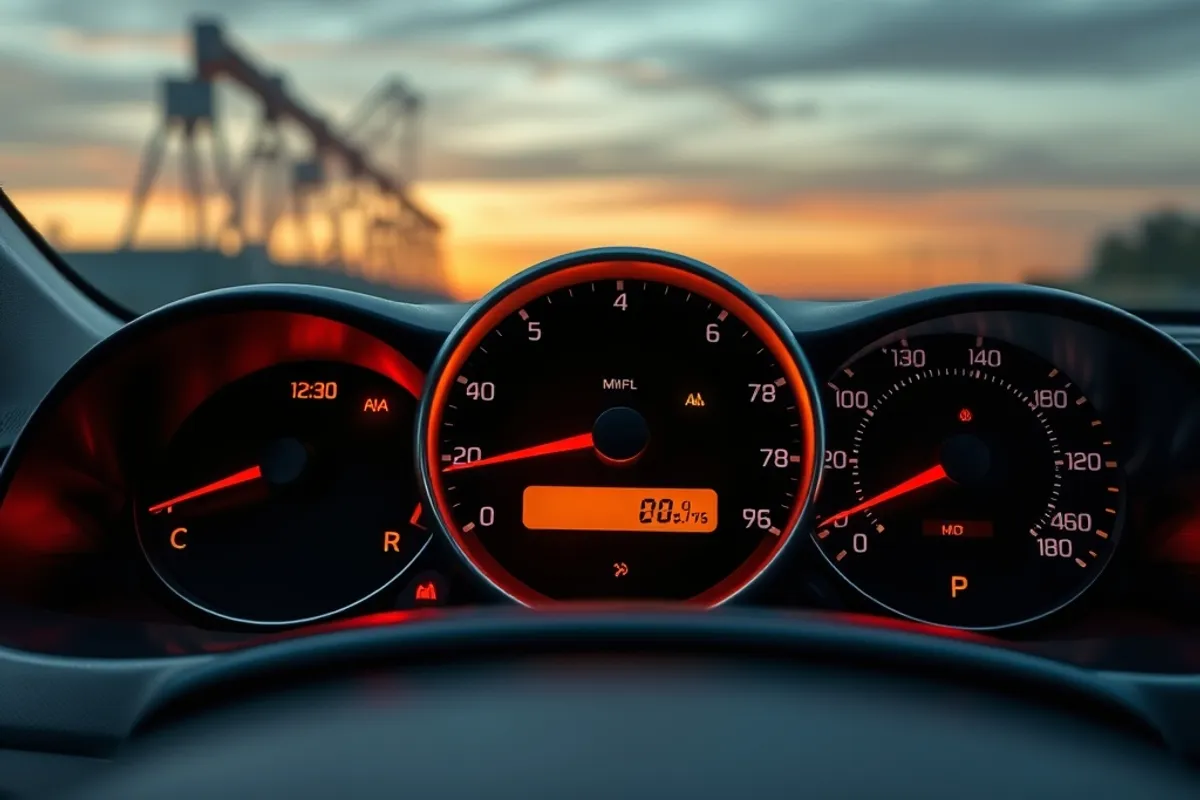
Leases are priced around a mileage allowance, usually 10,000 to 15,000 miles a year. Go over it and you pay per mile, often $0.20 to $0.30. A 5,000-mile overage can add $1,000 to $1,500 at return, which wipes out the monthly saving.
Wear charges are the second surprise. Bald tyres, kerbed wheels, a cracked bumper or a strong smell can all generate a bill. The car must be returned in good condition, and normal wear is defined by the contract, not by your opinion. Read the wear guide before signing.

A lease buys miles and months. A loan buys metal. Decide which one you actually need.
Depreciation and residual values
Depreciation is the largest cost of any new car, and leasing simply packages it. Cars with strong residuals lease well because the projected value is high and the payment is low. Cars with weak residuals are expensive to lease and painful to own.
If you plan to keep a car for eight to ten years, buying almost always wins because the depreciation is spread over many years and the car spends its later life costing only maintenance. If you change every three years, the comparison is much closer.
Who should lease and who should buy
Lease if you drive within the mileage cap, like a new car every three years, value a fixed monthly cost and do not want to worry about resale. It can also make sense for a business vehicle where payments are deductible, but check the tax rules with an accountant.
Buy if you drive a lot, keep cars for years, modify them or want to be payment-free eventually. Buying is also better if you have a stable income and can handle unexpected repairs. The worst option is leasing repeatedly while telling yourself you are saving money.
The verdict
For most private buyers who keep cars beyond four years, buying is cheaper in total. For drivers who want a new car every three years and stay under the mileage cap, leasing can be a reasonable convenience with a known cost. There is no universal winner.
Decide based on total cost over your real ownership period, not the monthly payment. If you choose to buy, our guide to getting the best auto loan rate will save more than any showroom discount. For regulator guidance, see the CFPB auto loan resources, and browse more Auto Financing guides.
Official source: consumerfinance.gov.