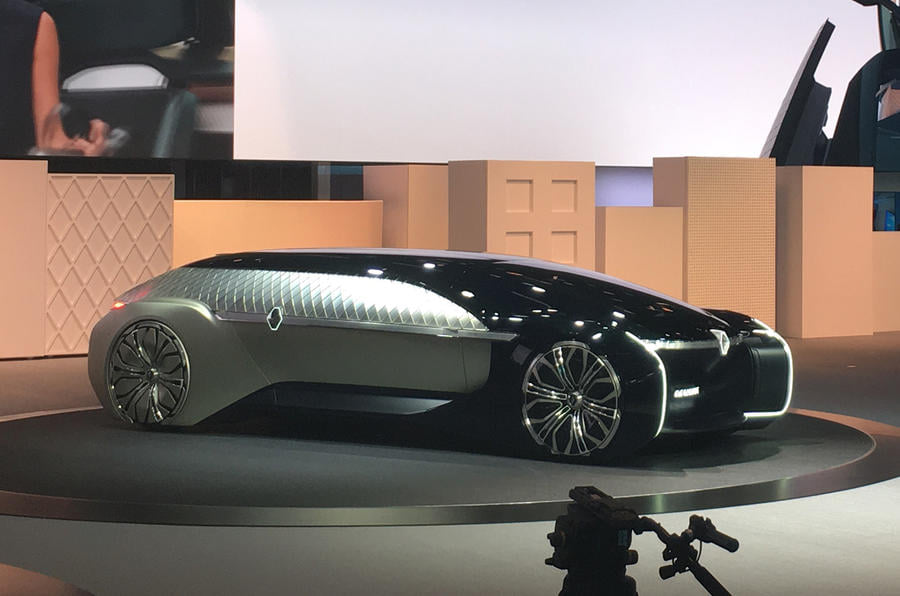
The Future on Four Wheels: How Hybrids Are Revolutionizing the Road

Introduction & Background
The automotive industry stands at the threshold of a transformative era, where the hum of internal combustion engines is gradually giving way to the quiet whir of electric motors. At the heart of this shift lies a powerful yet often overlooked innovation: the hybrid vehicle. As concerns about climate change, air pollution, and fuel efficiency grow louder, hybrids have emerged as a bridge between today’s gasoline-dependent world and tomorrow’s fully electric future. These vehicles combine the reliability of traditional engines with cutting-edge electric technology, offering a practical solution for drivers who want to reduce their environmental footprint without sacrificing performance or convenience. From bustling city streets to long-distance highways, hybrids are proving that sustainability and smooth, responsive driving can coexist harmoniously.
The significance of hybrids cannot be overstated. They represent more than just a technological upgrade; they signify a fundamental rethinking of how we power our transportation. Governments worldwide are tightening emissions regulations, and automakers are racing to meet ambitious sustainability targets. In this evolving landscape, hybrids serve as a vital stepping stone, allowing both manufacturers and consumers to adapt gradually. Their growing popularity reflects a collective desire to embrace greener alternatives without the range anxiety or charging infrastructure challenges that still plague fully electric vehicles. Whether you are an eco-conscious commuter, a tech enthusiast, or simply someone looking for a smarter way to drive, hybrids offer a compelling blend of innovation and practicality.
Concept & Overview
A hybrid vehicle is a car that integrates two or more distinct power sources to propel itself. The most common configuration pairs a conventional internal combustion engine with an electric motor and a battery pack. Unlike fully electric vehicles, hybrids do not rely solely on external charging. Instead, they recharge their batteries through regenerative braking and, in some cases, by using the gasoline engine to generate electricity. This dual-system approach allows hybrids to operate in electric-only mode at low speeds, reduce fuel consumption during acceleration, and switch seamlessly between power sources depending on driving conditions.
The concept of hybridization is rooted in efficiency. By leveraging both electric and gasoline power, these vehicles can achieve significantly better fuel economy than traditional cars, particularly in stop-and-go traffic where the electric motor takes over. Moreover, hybrids often produce fewer tailpipe emissions, contributing to cleaner air in urban areas. Over the years, the technology has evolved from basic models with modest electric assist to sophisticated systems capable of delivering impressive performance and advanced driver-assistance features. Today, hybrids are not just about saving fuel; they embody the future of intelligent, responsive, and sustainable mobility.
It is important to distinguish hybrids from plug-in hybrids and fully electric vehicles. While plug-in hybrids can be charged from an external source and offer extended electric-only range, conventional hybrids rely on self-charging mechanisms. Fully electric vehicles, on the other hand, operate without any gasoline engine at all. Each category serves different needs, but hybrids occupy a unique space by offering a balanced, real-world solution that appeals to a broad range of drivers.
Key Features & Highlights
- Dual Power Systems: Hybrids combine a gasoline engine with an electric motor and battery, allowing for optimized power delivery and fuel efficiency.
- Regenerative Braking: This system captures energy during braking and deceleration, converting it into electricity to recharge the battery, reducing energy waste.
- Automatic Start-Stop: Many hybrids shut off the gasoline engine when the vehicle comes to a stop, such as at a red light, and restart it seamlessly when the driver accelerates.
- Improved Fuel Economy: By using the electric motor for low-speed driving and supporting the gasoline engine during acceleration, hybrids typically achieve 30 to 50 percent better fuel efficiency than conventional cars.
- Lower Emissions: Reduced fuel consumption and electric-only operation at low speeds lead to fewer greenhouse gases and pollutants being released into the atmosphere.
- Smooth, Quiet Operation: The electric motor provides near-silent acceleration at low speeds, enhancing driving comfort, especially in city environments.
- Advanced Driver Assistance: Many modern hybrids come equipped with adaptive cruise control, lane-keeping assist, and collision avoidance systems, enhancing safety and convenience.
- Seamless Transitions: Advanced powertrain management systems ensure smooth switching between electric and gasoline power, eliminating jerky transitions or power loss.
Frequently Asked Questions / Pros & Cons
What is the main advantage of owning a hybrid vehicle?
One of the primary advantages of owning a hybrid is its superior fuel efficiency. By combining a gasoline engine with an electric motor, hybrids consume less fuel, especially in city driving conditions. This translates to fewer trips to the gas station and lower fuel costs over time. Additionally, hybrids often produce fewer emissions, making them a more environmentally friendly choice compared to traditional vehicles.
How long do hybrid batteries last, and what is the replacement cost?
Hybrid battery packs are designed to last for the lifetime of the vehicle, typically between 150,000 to 200,000 miles or more, depending on the model and usage. Most manufacturers offer warranties that cover the battery for 8 to 10 years or 100,000 to 150,000 miles. When replacement is necessary, costs can vary widely, ranging from $2,000 to $8,000, though prices have been decreasing as technology matures and production scales up.
Are hybrids more expensive to maintain than conventional cars?
Generally, hybrids require less maintenance than conventional vehicles because the gasoline engine runs less frequently and experiences less wear. Components like brake pads and tires may last longer due to regenerative braking. However, the complex nature of hybrid systems means that when repairs are needed, they can be more expensive. Overall, maintenance costs are often comparable or slightly lower for most hybrid owners.
Can hybrids perform well on highways and long-distance drives?
Yes, hybrids are fully capable of highway driving and long-distance travel. While they excel in city traffic due to electric-only operation at low speeds, their gasoline engine provides ample power for high-speed cruising. Many hybrids also include features like cruise control and efficient power delivery systems that optimize fuel use even on open roads.
What are the disadvantages of hybrid vehicles?
Some potential drawbacks of hybrids include higher upfront purchase prices compared to conventional cars, though this is often offset by fuel savings over time. The weight of the battery pack can slightly reduce cargo space in some models. Additionally, hybrids may not offer the same level of performance as high-end gasoline or fully electric vehicles in terms of acceleration or top speed. Finally, the environmental benefits depend on how the electricity for charging (in plug-in hybrids) is generated, which varies by region.
Practical Guidance & Solutions
If you are considering a hybrid but are unsure where to start, begin by assessing your driving habits. City drivers will benefit the most from hybrids due to frequent stop-and-go traffic and electric-only operation at low speeds. Evaluate your budget carefully, taking into account not just the purchase price but also potential fuel savings, tax incentives, and lower maintenance costs over time. Many countries and states offer rebates, tax credits, or exemptions for hybrid purchases, so research local incentives to maximize your savings.
When test-driving a hybrid, pay attention to how the vehicle transitions between electric and gasoline power. The shift should feel smooth and unnoticeable. Ask about the warranty on the hybrid system and battery, as this can provide peace of mind for the long term. If you plan to drive long distances regularly, consider a plug-in hybrid model, which offers extended electric-only range and may be more suitable for your needs.
For current hybrid owners, regular maintenance is key. Keep an eye on tire pressure and alignment, as regenerative braking can cause uneven tire wear. Schedule routine check-ups that include battery health assessments. If you notice a drop in fuel efficiency or unusual noises, have the vehicle inspected promptly to prevent minor issues from becoming costly repairs. Lastly, stay informed about software updates and new features that may enhance your hybrid’s performance and efficiency.
Conclusion
The road ahead is electric, but hybrids are paving the way with unmatched versatility, efficiency, and foresight. These vehicles embody a balanced approach to sustainable mobility, offering tangible benefits today while preparing drivers and automakers for a fully electric tomorrow. With their lower emissions, improved fuel economy, and advanced safety features, hybrids are more than just a trend, they represent a smarter, cleaner, and more responsible way to travel. As technology continues to advance and infrastructure evolves, the role of hybrids will only grow stronger, making them an essential part of the automotive landscape.
For anyone still on the fence about switching to a hybrid, the message is clear: the future is not just coming on four wheels; it is arriving quietly, efficiently, and with remarkable foresight. By embracing hybrids today, drivers take a meaningful step toward a greener, more sustainable tomorrow without compromising on performance or pleasure behind the wheel.