The Rise of Self-Driving Knights: How Smart Vehicles Are Redefining Our Roads

Introduction & Background
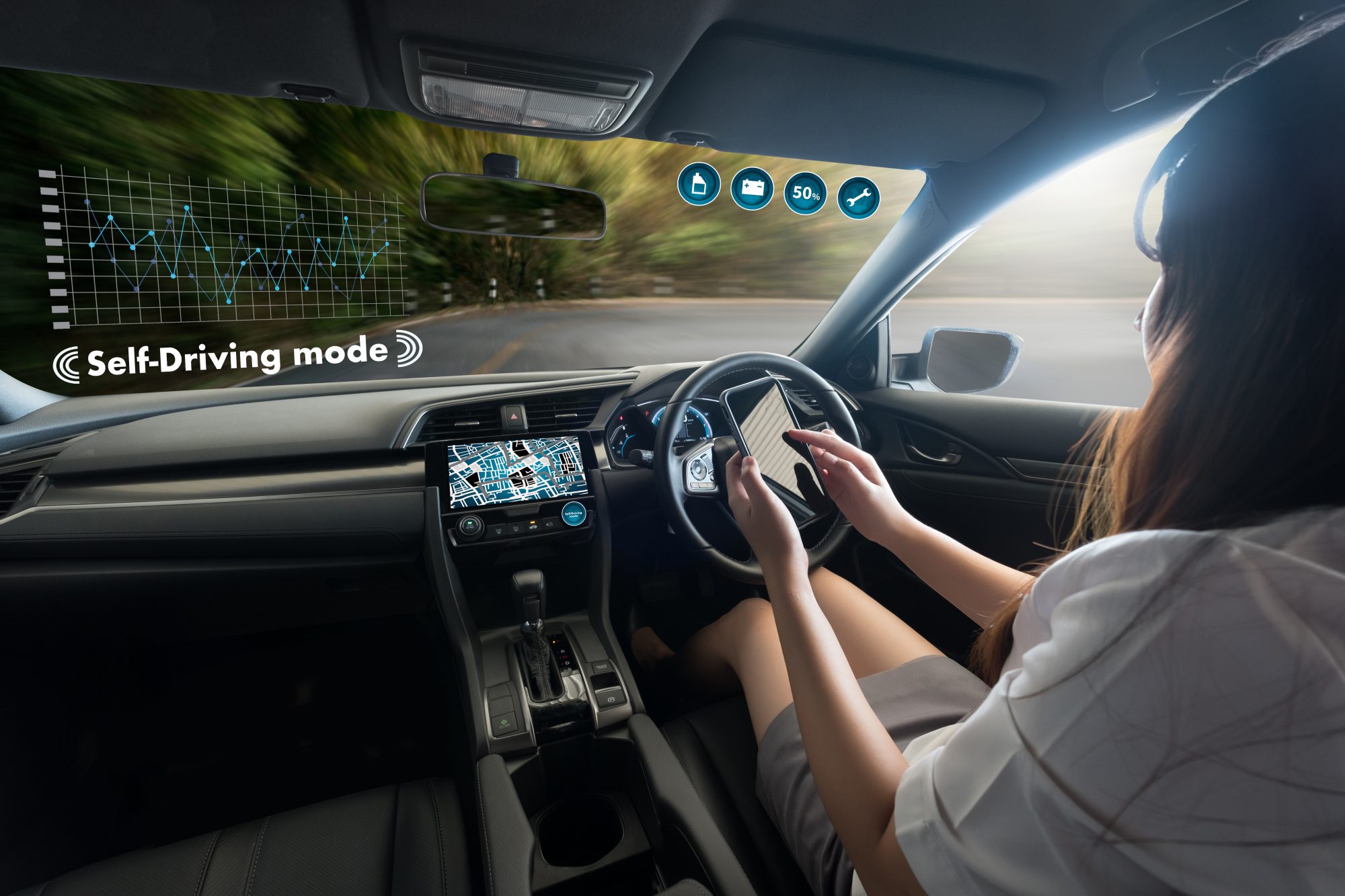
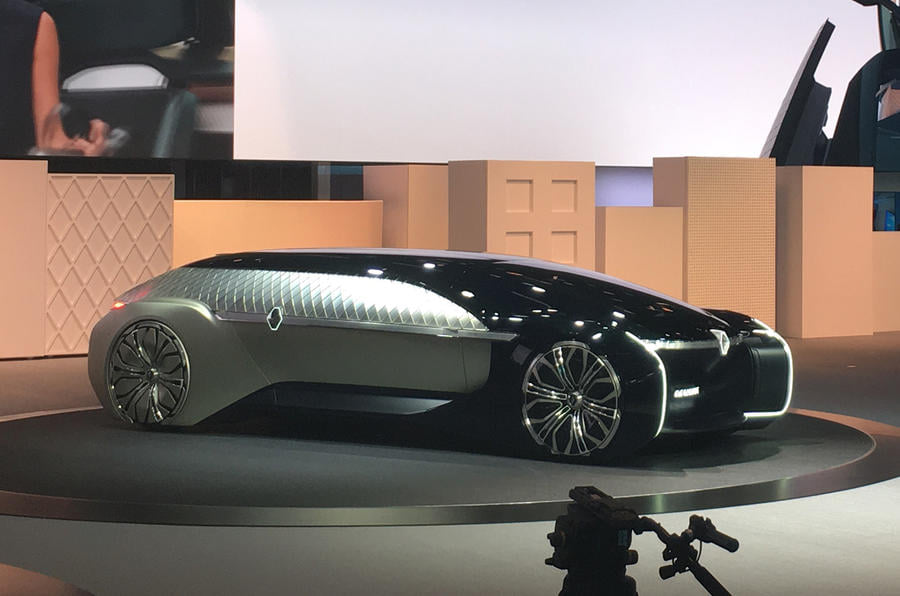
The roads of the future are no longer a distant dream but a rapidly unfolding reality. Self-driving vehicles, once confined to science fiction, are now steering us toward a new era of transportation. Among these innovations, the concept of “self-driving knights” stands out as a fascinating blend of technology and tradition. These vehicles, equipped with advanced artificial intelligence and autonomous systems, promise to transform the way we commute, travel, and interact with the world around us. The significance of this shift cannot be overstated, as it impacts safety, efficiency, and even the very fabric of urban life.
The journey toward autonomous vehicles has been long and complex, marked by breakthroughs in machine learning, sensor technology, and real-time data processing. With giants like Tesla, Waymo, and traditional automakers investing billions, the race to perfect self-driving technology is fiercer than ever. As these intelligent machines take the wheel, they are not just changing how we drive, but also how we perceive responsibility, freedom, and the role of technology in our daily lives.
Concept & Overview
The term “self-driving knights” refers to autonomous vehicles designed to operate without human intervention, embodying a sense of reliability and precision akin to the chivalry of old. These vehicles rely on a combination of sensors, cameras, radar, and artificial intelligence to navigate roads, obey traffic laws, and adapt to unpredictable situations. Unlike traditional cars, they do not require a human driver to make split-second decisions, reducing the risk of human error.
At their core, self-driving vehicles function through a process known as perception, planning, and control. Perception involves gathering data from the environment using sensors that detect obstacles, pedestrians, and road conditions. Planning then uses this data to determine the best route and actions, while control executes these decisions in real time. The integration of these systems creates a vehicle that can “think” and react faster than any human driver, making roads safer and more efficient.
This technological leap is not just about replacing human drivers, but about redefining the entire driving experience. From personal commutes to public transportation, self-driving knights are poised to revolutionize mobility, offering new possibilities for accessibility, sustainability, and convenience.
Key Features & Highlights
- Advanced Sensor Suite: Self-driving vehicles are equipped with a network of sensors, including LiDAR, radar, and ultrasonic sensors, which provide a 360-degree view of the surroundings. These sensors work together to detect and identify objects, even in low-light or adverse weather conditions.
- Artificial Intelligence & Machine Learning: AI algorithms process the vast amounts of data collected by sensors, enabling the vehicle to learn from experiences and improve over time. This continuous learning allows the system to handle complex scenarios, such as navigating construction zones or unpredictable traffic.
- Real-Time Decision Making: Unlike human drivers, self-driving vehicles can process information in milliseconds, making decisions that prioritize safety and efficiency. This capability is crucial in high-speed situations or when encountering unexpected obstacles.
- Connectivity & V2X Communication: Vehicle-to-everything (V2X) communication allows cars to interact with traffic lights, road signs, and other vehicles. This connectivity enhances situational awareness and reduces the likelihood of accidents caused by miscommunication.
- Adaptive Cruise Control & Lane Keeping: Features like adaptive cruise control automatically adjust speed based on traffic conditions, while lane-keeping systems ensure the vehicle stays within its lane. These technologies work seamlessly to provide a smooth and safe ride.
- Passenger Comfort & Accessibility: Self-driving knights are designed with passenger comfort in mind, offering spacious interiors, entertainment systems, and ergonomic seating. For people with disabilities or limited mobility, these vehicles provide newfound independence and freedom.
Frequently Asked Questions / Pros & Cons
What exactly is a self-driving knight?
A self-driving knight is an autonomous vehicle equipped with advanced AI and sensor technology that allows it to operate without human intervention. The term “knight” symbolizes reliability, honor, and a commitment to safety, much like the chivalrous ideals of the past.
How safe are these vehicles compared to human drivers?
Self-driving knights are designed to be significantly safer than human drivers. Studies show that human error accounts for over 90% of traffic accidents, a risk that autonomous vehicles aim to eliminate. However, safety depends on the robustness of the technology and the ability to handle edge cases, such as unpredictable weather or road debris.
What are the main advantages of self-driving vehicles?
Self-driving vehicles offer numerous benefits, including reduced traffic congestion, lower emissions due to optimized driving patterns, and increased productivity for passengers who can work or relax during their commute. They also provide greater accessibility for elderly individuals and those with disabilities.
What are the potential drawbacks or challenges?
Challenges include high development costs, the need for extensive testing to ensure reliability, and ethical dilemmas such as how to program vehicles to make life-and-death decisions in unavoidable accident scenarios. Additionally, there are concerns about job displacement in the transportation industry and cybersecurity risks.
Do self-driving vehicles require a human driver as a backup?
Not necessarily. While some autonomous vehicles currently on the market, such as those from Tesla, still require a human driver to remain attentive, fully autonomous vehicles (Level 4 and 5) are designed to operate without any human input. The level of autonomy varies depending on the vehicle and the regulatory environment.
How do these vehicles handle unpredictable situations, like road construction or accidents?
Self-driving vehicles rely on real-time data and AI to adapt to changing conditions. They can detect construction zones, reroute automatically, and communicate with other vehicles to avoid congestion. However, their effectiveness depends on the quality of their sensors and the sophistication of their algorithms.
Practical Guidance & Solutions
For those considering the transition to self-driving vehicles, it is essential to stay informed about the latest advancements and regulatory changes. Start by researching vehicles with advanced driver-assistance systems (ADAS), which offer partial autonomy and are more widely available today. Understanding the different levels of autonomy (ranging from Level 1 to Level 5) will help you choose a vehicle that aligns with your needs and comfort level.
Before purchasing an autonomous vehicle, test drive it in various conditions to gauge its performance. Pay attention to how it handles highways, city traffic, and parking. Additionally, check for over-the-air software updates, as these can improve functionality and safety over time.
For businesses, integrating self-driving vehicles into fleets can enhance efficiency and reduce operational costs. However, it is crucial to partner with reputable manufacturers and ensure that drivers are adequately trained to monitor the system and intervene when necessary. Regular maintenance and software updates are also vital to keep the vehicles running smoothly.
On a societal level, advocating for strong safety regulations and ethical guidelines will ensure that self-driving technology benefits everyone. Supporting infrastructure improvements, such as smart traffic lights and dedicated lanes for autonomous vehicles, can further accelerate their adoption and effectiveness.
Conclusion
The rise of self-driving knights marks a turning point in the history of transportation. These intelligent vehicles are not just redefining how we travel, but also how we envision a future where technology and humanity coexist harmoniously. With their promise of safety, efficiency, and accessibility, self-driving vehicles hold the potential to transform cities, reduce pollution, and unlock new opportunities for people across the globe.
While challenges remain, the progress made so far is undeniable. As autonomous technology continues to evolve, it is up to us to embrace these changes responsibly, ensuring that the roads of tomorrow are not only smarter but also safer and more inclusive. The age of self-driving knights is here, and it is steering us toward a brighter, more connected future.