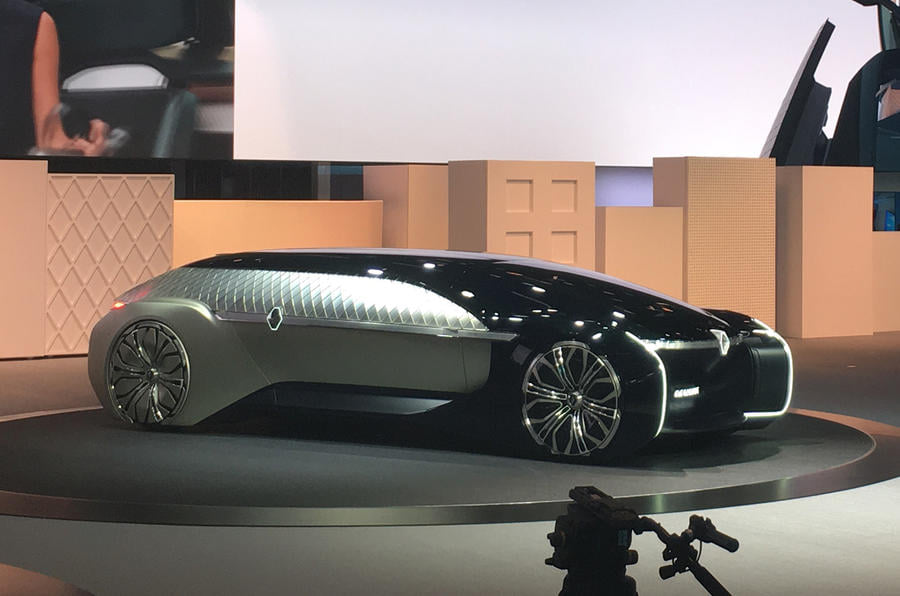
The Future on Two Roads: Hybrid Vehicles Redefining Efficiency and Innovation

Introduction & Background
The automotive industry stands at a pivotal crossroads today, where innovation meets necessity. As the world grapples with climate change and resource depletion, the demand for sustainable transportation has never been more urgent. Hybrid vehicles have emerged as a compelling bridge between conventional gasoline-powered cars and fully electric alternatives. They offer a balanced solution that reduces emissions while maintaining the reliability and range that drivers expect. Governments and manufacturers worldwide are investing heavily in hybrid technology, recognizing its potential to transform urban mobility and long-distance travel. This shift is not just about reducing carbon footprints. It is also about redefining efficiency in ways that align with evolving consumer expectations. Hybrid vehicles are no longer a niche choice. They have become a mainstream option, reshaping the automotive landscape and setting new standards for performance, cost, and environmental responsibility.
Concept & Overview
A hybrid vehicle combines two or more power sources to propel the vehicle forward. Most commonly, this involves an internal combustion engine paired with an electric motor. The synergy between these two systems allows for improved fuel efficiency, reduced emissions, and enhanced performance. Unlike fully electric vehicles, hybrids do not rely solely on battery power. Instead, they intelligently switch between energy sources depending on driving conditions. This flexibility ensures optimal energy use during city driving, highway cruising, and stop-and-go traffic. The integration of regenerative braking further enhances efficiency by capturing energy that would otherwise be lost during deceleration. Hybrid technology has evolved significantly since its inception. Today, it encompasses a wide range of configurations, from mild hybrids that assist the engine to plug-in hybrids that can operate solely on electric power for short distances.
Key Features & Highlights
- Dual Power Systems: Most hybrids feature a gasoline engine and an electric motor working in tandem. This dual setup allows for seamless switching between power sources based on driving needs.
- Regenerative Braking: This innovative system recaptures energy during braking and deceleration, converting it into electricity to recharge the battery. This feature significantly boosts overall efficiency.
- Automatic Start-Stop Systems: Hybrids automatically shut off the engine when the vehicle comes to a stop, such as at traffic lights. The engine restarts instantly when the driver accelerates, reducing fuel consumption and emissions.
- Improved Fuel Efficiency: By optimizing energy use, hybrids typically deliver better miles per gallon compared to traditional gasoline vehicles. This translates to fewer fuel stops and lower operating costs.
- Lower Emissions: The combination of improved fuel economy and reduced engine idling leads to significantly lower greenhouse gas emissions. This makes hybrids a more environmentally friendly choice for eco-conscious drivers.
- Quiet Operation: Electric motors operate quietly, especially at low speeds. This results in a smoother, more serene driving experience, particularly in urban environments.
- Variety of Configurations: Hybrids come in different forms, including parallel hybrids, series hybrids, and plug-in hybrids. Each configuration offers unique benefits depending on the driver’s needs and driving habits.
Frequently Asked Questions / Pros & Cons
What exactly is a hybrid vehicle?
A hybrid vehicle is a car that uses two or more distinct power sources to move. The most common combination is an internal combustion engine and an electric motor. These systems work together to improve fuel efficiency, reduce emissions, and enhance performance. The electric motor assists the engine during acceleration and provides power at low speeds, while the engine handles higher speeds and long-distance driving.
How do hybrid vehicles differ from fully electric vehicles?
While both hybrid and fully electric vehicles aim to reduce emissions, they operate on different principles. Hybrids combine an internal combustion engine with an electric motor and a smaller battery. They do not require external charging and rely on the engine and regenerative braking for energy. Fully electric vehicles, on the other hand, run entirely on battery power and must be plugged in to recharge. Hybrids offer greater range flexibility and do not suffer from charging infrastructure limitations, making them more practical for long trips.
What are the main advantages of owning a hybrid vehicle?
Hybrid vehicles offer several compelling benefits. They improve fuel efficiency by up to 30% or more compared to conventional cars, leading to significant savings at the pump. They also reduce harmful emissions, contributing to cleaner air and a smaller carbon footprint. Many hybrids come with tax incentives and rebates, further lowering the total cost of ownership. Additionally, their quiet operation and smooth acceleration enhance the driving experience. Maintenance costs are often lower due to reduced wear on the engine and braking system.
Are there any drawbacks to hybrid vehicles?
Despite their advantages, hybrids have some limitations. The initial purchase price is typically higher than that of traditional gasoline vehicles due to the added technology. Battery replacement can be expensive and may require specialized service centers. While hybrid batteries are designed to last the life of the vehicle, replacing them prematurely could be costly. Another consideration is the reduced cargo space in some hybrid models, as the battery pack can take up valuable room. Finally, hybrids may not perform as well as conventional vehicles in extreme weather conditions, such as very cold temperatures, which can impact battery efficiency.
Can hybrid vehicles be charged like electric cars?
Most hybrid vehicles do not require external charging. They rely on the internal combustion engine and regenerative braking to recharge the battery. However, plug-in hybrid electric vehicles (PHEVs) can be plugged into an electrical outlet or charging station to extend their electric-only range. This allows for short commutes or errands to be powered solely by electricity, further reducing fuel consumption and emissions. If charging is not an option, PHEVs can still operate like conventional hybrids, using gasoline for longer trips.
How long do hybrid batteries last?
Hybrid batteries are built to last the lifetime of the vehicle, typically around 150,000 to 200,000 miles. Many manufacturers offer warranties of eight to ten years on hybrid batteries, providing peace of mind for owners. Battery degradation is gradual, and drivers often experience minimal loss in performance over time. Regular maintenance and proper driving habits can help extend the life of the battery. If a battery does need replacement, costs have decreased significantly over the years, making it a more affordable option than in the past.
Are hybrid vehicles suitable for long road trips?
Yes, hybrid vehicles are well-suited for long road trips. Their dual power systems ensure reliable performance across various driving conditions. While fully electric vehicles may require frequent charging stops, hybrids can refuel at traditional gas stations, offering greater convenience. The improved fuel efficiency of hybrids also means fewer stops for gas, making them a practical choice for extended travel. Some hybrid models are designed specifically for long-distance driving, with features like enhanced battery cooling and optimized engine performance.
Do hybrid vehicles require special maintenance?
Hybrid vehicles do not require drastically different maintenance routines compared to conventional cars. In fact, many maintenance tasks are similar or simplified. For example, the braking system experiences less wear due to regenerative braking, which reduces the need for frequent brake pad replacements. However, it is important to follow the manufacturer’s maintenance schedule and use qualified technicians familiar with hybrid systems. Some components, such as the high-voltage battery and electric motor, should only be serviced by trained professionals. Regular oil changes, tire rotations, and fluid checks remain essential for optimal performance.
Practical Guidance & Solutions
Choosing the right hybrid vehicle begins with evaluating your driving habits and priorities. If you primarily drive in the city with frequent stops, a hybrid with strong regenerative braking and electric-only capabilities will maximize efficiency. For long-distance commuters, a plug-in hybrid with extended electric range may be more suitable, as it allows for short trips on electricity and longer trips on gasoline. Always compare the total cost of ownership, including fuel savings, maintenance, and potential incentives, to determine the best value.
Before purchasing, research the available models and their features. Look for vehicles with strong safety ratings, advanced driver-assistance systems, and comfortable interiors. Test-driving multiple hybrids will help you identify which one best suits your preferences in terms of handling, acceleration, and cabin noise. If you are considering a used hybrid, verify the battery’s health and remaining warranty coverage. Many dealerships offer certified pre-owned hybrid programs with extended warranties, providing added security.
Once you own a hybrid, adopt driving habits that enhance its efficiency. Accelerate gently, maintain a steady speed, and use cruise control on highways. Minimize idling by turning off the engine in long stops. Regularly check tire pressure and keep up with scheduled maintenance to ensure optimal performance. If your hybrid has a plug-in capability, take advantage of charging opportunities to maximize electric-only driving. Finally, stay informed about advancements in hybrid technology, as newer models continue to offer improved range, performance, and sustainability.
Conclusion
The road ahead for automotive innovation is unfolding on two distinct paths, and hybrid vehicles stand at the intersection of tradition and progress. They embody a pragmatic yet visionary approach to transportation, balancing immediate needs with long-term sustainability. As cities grow denser and environmental regulations tighten, hybrids offer a realistic solution that does not require drivers to sacrifice convenience for conscience. With advances in battery technology, software integration, and design, the next generation of hybrids promises even greater efficiency and performance.
For consumers, the choice to embrace hybrid technology is more than a purchase decision. It is a step toward a cleaner, more efficient future. Whether you are drawn by fuel savings, environmental benefits, or cutting-edge innovation, hybrids represent a smart investment in both your lifestyle and the planet. The journey toward sustainable mobility is not a sprint. It is a steady drive forward, and hybrids are leading the way. Embrace the opportunity to redefine efficiency on your own terms, and join millions of drivers who are already experiencing the benefits of this transformative technology.