The Future of Mobility: Unraveling the Potential of Hybrid Technology

Introduction & Background
The world of mobility is undergoing a radical transformation, driven by the urgent need for sustainability, efficiency, and innovation. As cities grow more congested and environmental concerns intensify, the traditional reliance on internal combustion engines is being questioned like never before. Hybrid technology emerges as a promising bridge between the familiar and the future, offering a balanced solution that combines the best of both gasoline and electric worlds. This technology not only reduces emissions but also enhances fuel efficiency, making it a critical player in the transition toward greener transportation. Governments, manufacturers, and consumers alike are recognizing its potential to reshape urban mobility while maintaining the convenience and reliability that drivers demand. Understanding the trajectory of hybrid technology is essential for anyone invested in the future of how we move.
Concept & Overview
At its core, hybrid technology integrates two distinct power sources within a single vehicle: a conventional internal combustion engine and an electric motor powered by a battery. The synergy between these systems allows the vehicle to operate in different modes, depending on driving conditions. For instance, at low speeds or during idling, the electric motor can take over, reducing fuel consumption and emissions. Meanwhile, the gasoline engine steps in during higher speeds or when additional power is required, ensuring that the vehicle performs reliably under various conditions. This dual-system approach optimizes energy use, minimizes waste, and provides a smoother driving experience. The concept isn’t new, but recent advancements in battery technology, software integration, and automotive engineering have propelled hybrid systems into the spotlight as a feasible and attractive option for the mass market.
Key Features & Highlights
- Fuel Efficiency: Hybrids significantly improve fuel economy by leveraging the electric motor for short distances and lower speeds, reducing the reliance on gasoline. This can lead to substantial savings at the pump over time.
- Lower Emissions: By combining electric and gasoline power, hybrids emit fewer greenhouse gases and pollutants compared to traditional vehicles, contributing to cleaner air and a reduced carbon footprint.
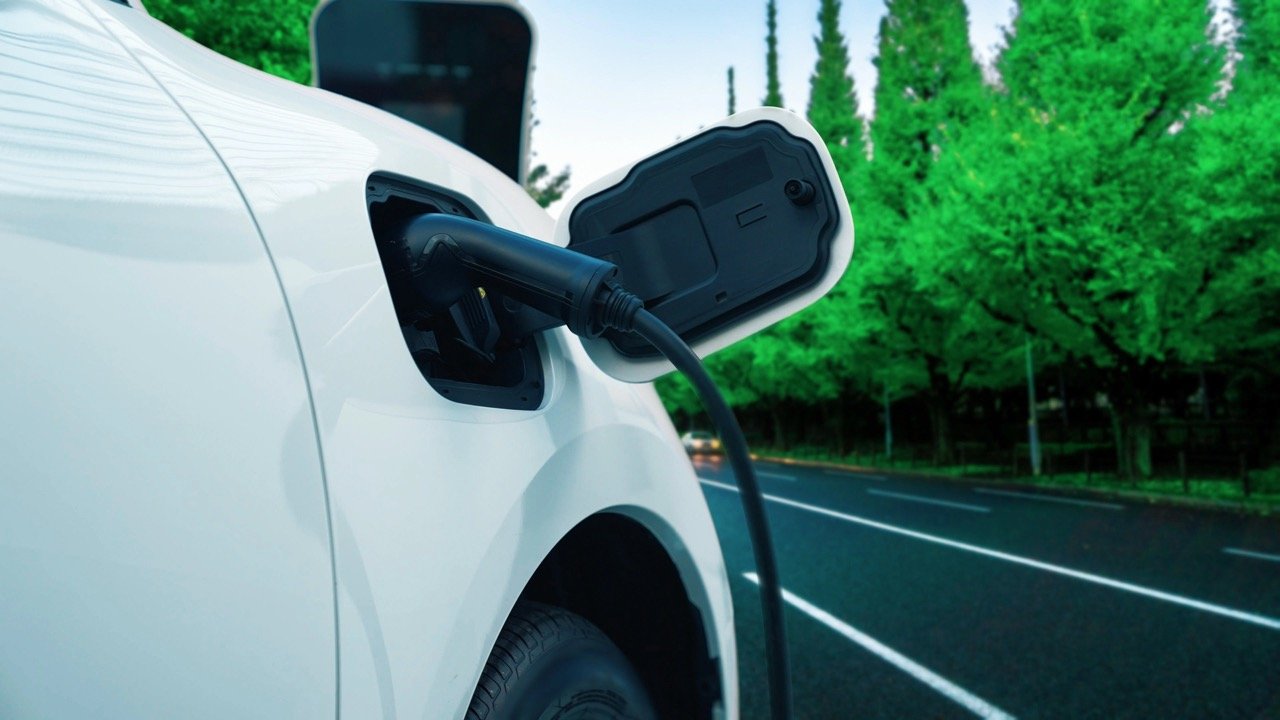
- Regenerative Braking: This innovative feature captures energy that is typically lost during braking and converts it into electricity, which is then stored in the battery for later use. It enhances overall efficiency and extends the electric-only driving range.
- Smooth Power Delivery: The seamless transition between the electric motor and gasoline engine ensures a quieter and more responsive driving experience, especially in stop-and-go traffic.
- Versatility: Hybrids are available in various configurations, including parallel, series, and plug-in hybrids, catering to different driving needs and preferences.
- Tax Incentives & Rebates: Many governments offer financial incentives for purchasing hybrid vehicles, making them more affordable and appealing to a broader audience.
Frequently Asked Questions / Pros & Cons
Is a hybrid car worth the higher upfront cost?
While hybrid vehicles often come with a higher initial price tag compared to their conventional counterparts, the long-term savings on fuel and potential tax benefits can offset this difference. Over time, the reduced fuel consumption and lower maintenance costs contribute to a more cost-effective ownership experience. Additionally, as technology advances and production scales up, prices are gradually becoming more competitive.
Do hybrid cars require special maintenance?
Hybrid vehicles generally do not require more maintenance than traditional cars, but there are a few considerations to keep in mind. The battery pack, for example, is designed to last for the lifespan of the vehicle, though it may degrade slightly over time. Routine maintenance such as tire rotations, brake inspections, and fluid checks remain similar to those of conventional cars. However, it is advisable to use a mechanic familiar with hybrid systems to ensure optimal performance.
What are the limitations of hybrid technology?
One of the primary limitations of hybrid technology is its reliance on gasoline for longer distances, which means it doesn’t eliminate the use of fossil fuels entirely. Additionally, the added weight of the battery pack can slightly reduce fuel efficiency in some cases. The charging infrastructure for plug-in hybrids is another consideration, as it requires access to charging stations for maximum benefit. Finally, the environmental impact of battery production, including mining and disposal, remains a concern that manufacturers are actively working to address.
Practical Guidance & Solutions
If you’re considering a hybrid vehicle, start by evaluating your driving habits and needs. For those who frequently drive in urban areas or have short commutes, a standard hybrid or plug-in hybrid may be ideal, as the electric motor can handle most of the driving. For longer trips, a plug-in hybrid with a larger battery capacity might offer a better balance between electric and gasoline use. When shopping for a hybrid, compare models based on fuel efficiency ratings, battery warranty coverage, and available incentives in your region.
Before making a purchase, test drive multiple hybrid models to gauge comfort, handling, and driving dynamics. It’s also wise to research charging infrastructure in your area if you’re eyeing a plug-in hybrid, as access to charging stations can greatly enhance the vehicle’s utility. Finally, consult with dealerships or certified hybrid specialists to understand maintenance requirements and warranty options, ensuring a smooth ownership experience.
Conclusion
The future of mobility is being reshaped by hybrid technology, which offers a pragmatic and sustainable path forward in an era of environmental and urban challenges. By merging the efficiency of electric power with the reliability of gasoline engines, hybrids provide a compelling solution that meets the needs of today’s drivers while paving the way for fully electric vehicles tomorrow. As advancements continue and adoption grows, hybrids are poised to play a pivotal role in reducing emissions, conserving resources, and redefining the driving experience. For consumers and industries alike, embracing this technology is not just a step toward innovation but a leap toward a cleaner, more efficient future on the roads. The journey has just begun, and the potential is limitless.