The Future of Driving: Why Hybrid Cars Are the Perfect Middle Ground

Introduction & Background
The automotive industry is undergoing a major transformation, driven by environmental concerns, technological advancements, and shifting consumer preferences. As the world moves toward more sustainable transportation solutions, hybrid cars have emerged as a practical and accessible middle ground between traditional gasoline-powered vehicles and fully electric cars. With growing pressure to reduce carbon emissions and improve fuel efficiency, hybrid cars offer a balanced approach that caters to the realities of modern driving. They combine the reliability of internal combustion engines with the efficiency of electric motors, making them an ideal choice for drivers who want to reduce their environmental impact without fully committing to electric vehicles.
The rise of hybrid technology reflects a broader trend in the automotive sector, where innovation is focused on creating solutions that are both eco-friendly and user-friendly. Governments around the world are incentivizing the adoption of hybrids through tax breaks, rebates, and stricter emissions regulations, further solidifying their position in the market. As charging infrastructure for electric vehicles remains limited in many regions, hybrids provide a convenient alternative that does not require a complete overhaul of driving habits or infrastructure. This makes them a compelling option for today’s drivers and a key player in the future of mobility.
Concept & Overview
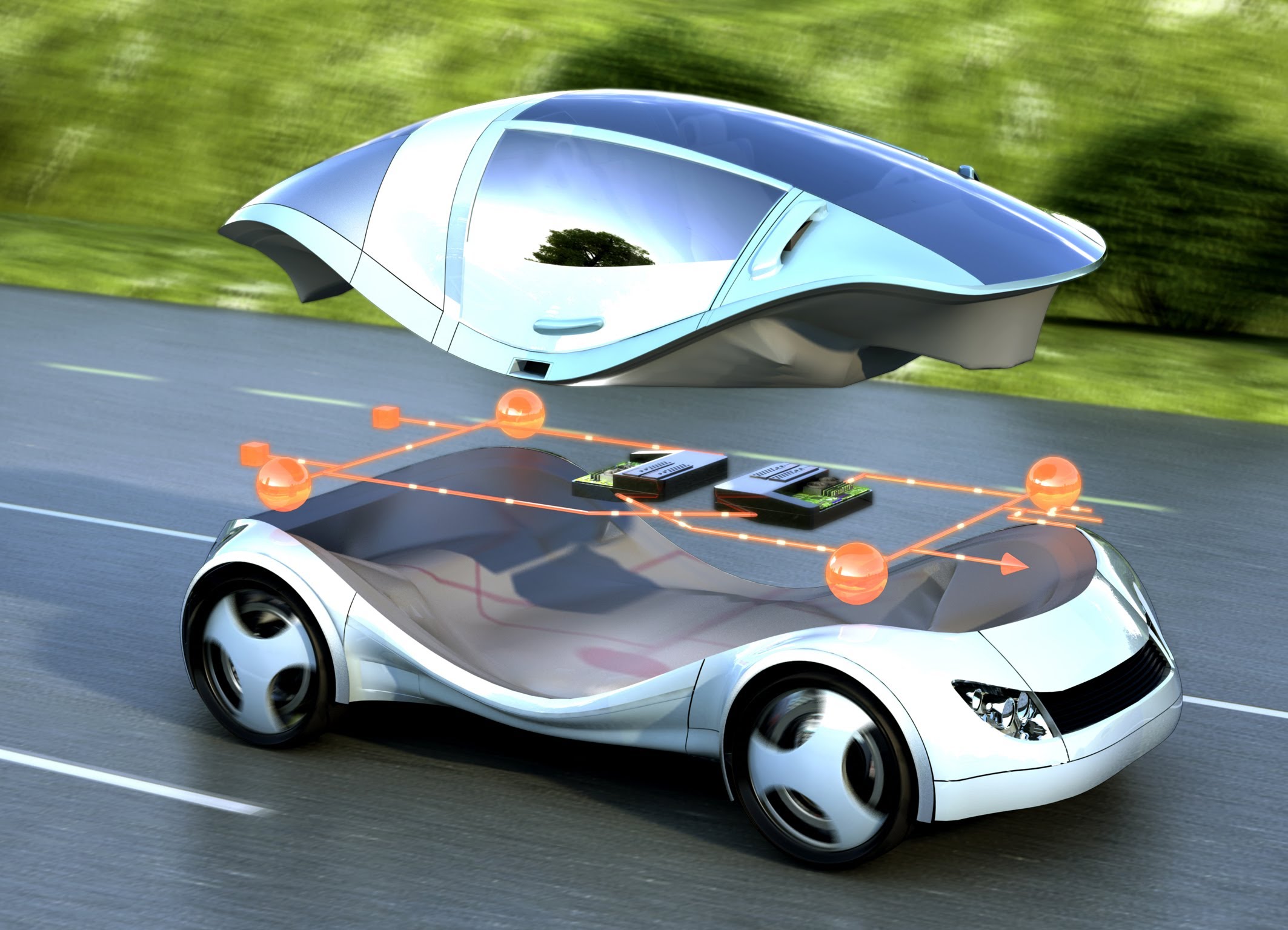
A hybrid car is a vehicle that combines two or more types of power sources to propel itself. The most common configuration pairs a traditional internal combustion engine (usually gasoline) with an electric motor and a battery pack. Unlike fully electric vehicles, hybrids do not rely solely on electricity for propulsion. Instead, they intelligently switch between the gasoline engine and the electric motor, or use them in tandem, to optimize performance and fuel efficiency.
The core principle behind hybrid technology is energy efficiency. The electric motor assists during acceleration and low-speed driving, where gasoline engines are least efficient. Meanwhile, the gasoline engine kicks in for higher speeds or when additional power is needed. Some hybrids also feature regenerative braking, a system that captures energy during deceleration and stores it in the battery for later use. This synergy between power sources allows hybrids to achieve significantly better fuel economy than conventional cars while reducing emissions without requiring a charging station.
Hybrids come in different types, including mild hybrids, full hybrids, plug-in hybrids, and extended-range hybrids, each offering varying levels of electric-only driving capability. While plug-in hybrids can be charged from an external source and offer longer electric-only ranges, standard hybrids rely on self-charging systems. This versatility makes hybrids adaptable to different driving needs and consumer budgets, positioning them as a flexible solution in the transition to greener transportation.
Key Features & Highlights
- Dual-Power System: Hybrid cars combine a gasoline or diesel engine with an electric motor and battery, allowing for seamless switching or combined operation depending on driving conditions.
- Regenerative Braking: This technology captures kinetic energy during braking and converts it into electrical energy, which is then stored in the battery to power the electric motor later.
- Improved Fuel Efficiency: By using the electric motor for low-speed driving and assisting the engine during acceleration, hybrids consume less fuel than conventional vehicles, especially in city traffic.
- Lower Emissions: Because hybrids use electricity for part of the driving cycle, they emit less CO2 and other pollutants compared to traditional gasoline-only cars, contributing to cleaner air.
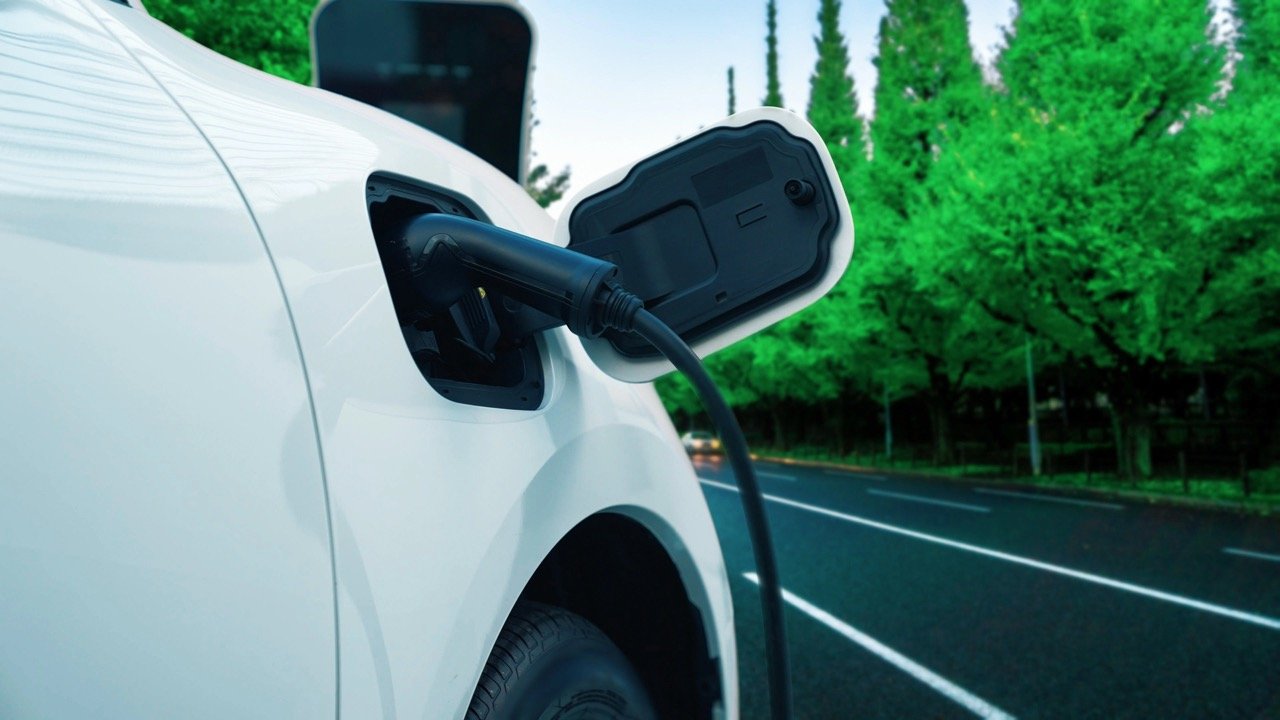
- No Charging Infrastructure Needed: Unlike full electric vehicles, hybrids do not require external charging; their batteries are charged through regenerative braking and the engine, making them convenient for daily use.
- Quiet Electric-Only Mode: At low speeds or during slow acceleration, many hybrids operate in electric-only mode, reducing noise pollution and providing a smoother, more refined driving experience.
- Tax Incentives & Rebates: Many governments offer financial incentives such as tax credits, rebates, or exemptions from congestion charges for hybrid vehicle owners, making them more affordable.
- Lower Maintenance Costs: Due to reduced reliance on the gasoline engine and regenerative braking, hybrids often experience less wear and tear on brake pads and engine components, leading to lower long-term maintenance costs.
Frequently Asked Questions / Pros & Cons
What is the difference between a hybrid and a fully electric car?
Hybrid cars: Use both a gasoline engine and an electric motor. They do not require external charging, as the battery is charged through regenerative braking and the engine. Their electric range is typically short, and they rely on fuel for longer trips.
Fully electric cars (EVs): Run solely on electricity stored in a large battery and must be charged from an external power source. They produce zero tailpipe emissions and offer longer electric-only ranges but require access to charging infrastructure.
Are hybrid cars really more fuel-efficient than gasoline cars?
Yes, in most driving conditions, especially in city traffic with frequent stops and starts, hybrid cars are significantly more fuel-efficient than traditional gasoline-powered vehicles. The electric motor assists during acceleration and slows down, reducing the load on the gasoline engine and improving overall efficiency. On highways, the advantage may be smaller, but hybrids still tend to perform better than conventional cars.
Do hybrid cars save money in the long run?
While hybrid cars often have a higher upfront cost than comparable gasoline models, they can save money over time through reduced fuel consumption and lower maintenance costs. Fuel savings are especially noticeable in urban driving. Additionally, many regions offer tax incentives or rebates that lower the purchase price. However, the break-even point depends on driving habits, fuel prices, and local incentives.
What are the disadvantages of hybrid cars?
- Higher Initial Cost: The advanced technology and dual powertrain systems in hybrids generally make them more expensive to purchase than conventional cars, though prices are becoming more competitive.
- Limited Electric Range: Most standard hybrids cannot travel long distances on electric power alone. Their electric-only range is usually limited to a few miles, which may not be sufficient for many drivers.
- Battery Replacement Costs: Although hybrid batteries are designed to last the life of the vehicle, they can be expensive to replace if they fail before the car’s end of service life.
- Complexity & Repairs: The combination of an internal combustion engine and electric system makes hybrids more complex to repair, which can lead to higher service costs at non-specialized repair shops.
Are hybrid cars better for the environment than gasoline cars?
Yes, hybrid cars produce fewer greenhouse gas emissions and air pollutants than conventional gasoline cars, especially when driven in city conditions where electric assist is most effective. While they are not zero-emission vehicles, their improved efficiency and lower fuel consumption contribute to a smaller environmental footprint. Over time, as more electricity is generated from renewable sources, the environmental benefits of hybrid cars will continue to grow.
Practical Guidance & Solutions
If you’re considering a hybrid car but are unsure where to start, here are some practical steps to help you make an informed decision:
Assess Your Driving Needs
Think about your daily driving routine. Do you mostly drive in the city with frequent stops, or do you take long highway trips? Hybrids excel in stop-and-go traffic, making them ideal for urban commuters. If you frequently drive long distances, a plug-in hybrid (PHEV) with a larger electric range might be a better fit, as it allows for more electric-only driving before switching to gasoline.
Compare Models & Costs
Research different hybrid models that fit your budget and lifestyle. Compare fuel efficiency ratings, maintenance costs, and available incentives in your area. Use online tools and comparison websites to evaluate total cost of ownership, which includes purchase price, fuel savings, tax benefits, and potential resale value. Don’t forget to test drive a few models to get a feel for their performance and comfort.
Check Incentives & Financing Options
Look into local and federal incentives for hybrid vehicle purchases, such as tax credits, rebates, or reduced registration fees. Some dealerships also offer special financing rates or lease deals for hybrids. Additionally, explore insurance options to see if hybrid owners qualify for discounts due to lower risk or environmental benefits.
Plan for Maintenance & Repairs
While hybrids generally require less maintenance than gasoline cars, it’s important to understand their unique service needs. Find a certified hybrid specialist or a dealership with trained technicians to ensure proper maintenance. Ask about warranty coverage for the battery and hybrid system, which can provide peace of mind and reduce long-term costs.
Consider Resale Value
Hybrid cars tend to hold their value better than many conventional cars due to high demand, fuel savings, and environmental benefits. When choosing a model, consider its reputation for reliability and resale value. Brands with strong hybrid offerings and good track records are often safer long-term investments.
Conclusion
The future of driving is being shaped by a growing demand for sustainable, efficient, and practical transportation solutions. Hybrid cars sit at the perfect intersection of innovation and accessibility, offering a realistic path forward for drivers who want to reduce their environmental impact without sacrificing convenience or performance. With their ability to deliver impressive fuel efficiency, lower emissions, and a seamless driving experience, hybrids are more than just a transitional technology, they are a smart choice for today and a stepping stone to tomorrow’s fully electric future.
As technology continues to evolve and governments push for stricter emissions standards, hybrid vehicles will likely remain a dominant force in the automotive market. They provide a balanced solution that meets the needs of diverse drivers, from city commuters to long-distance travelers. By choosing a hybrid, you’re not only making a financially sound decision but also contributing to a cleaner, greener planet. The road ahead is electric, but for now, hybrids are steering us in the right direction, efficiently, responsibly, and sustainably.