Revolutionizing the Road: Top Car Tech Innovations Shaping the Future of Driving

Introduction & Background
The automotive industry stands at the brink of a technological revolution that promises to transform how we drive, commute, and interact with our vehicles. Over the past decade, rapid advancements in car technology have shifted the focus from mere transportation to intelligent, connected, and autonomous mobility solutions. These innovations are not just enhancing safety and convenience but are also redefining the entire driving experience. With climate change concerns and urban congestion growing, the need for smarter, cleaner, and more efficient vehicles has never been more urgent. Today, cars are evolving into high-tech hubs equipped with cutting-edge features that promise to make our roads safer, greener, and more efficient.
Concept & Overview
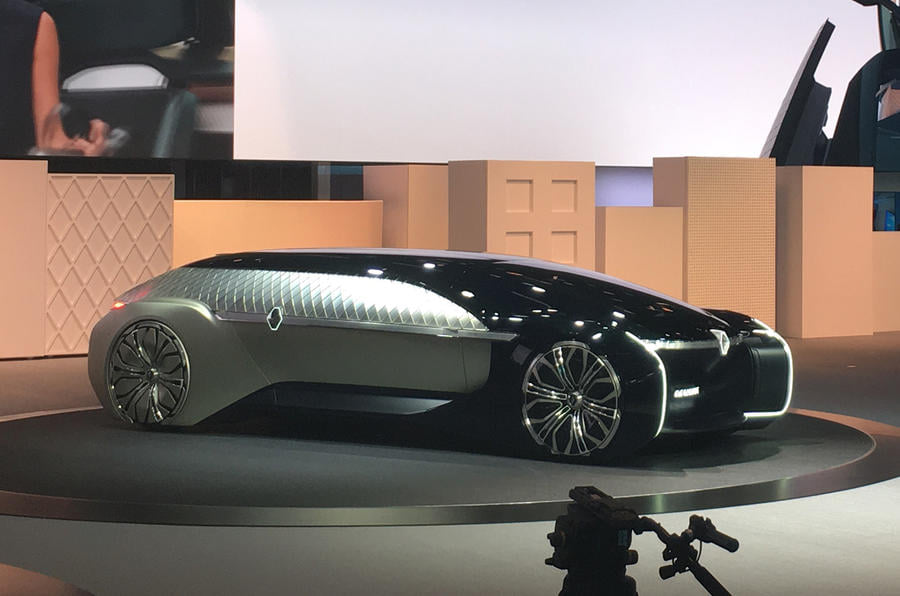
The core idea behind the latest car technology innovations is to integrate intelligence, connectivity, and sustainability into vehicles. Modern cars are no longer just mechanical machines but sophisticated systems powered by artificial intelligence, big data, and advanced materials. The vision is to create a seamless ecosystem where cars communicate with each other, with infrastructure, and with drivers to optimize performance, reduce emissions, and enhance user experience. This transformation is driven by breakthroughs in autonomous driving, electric powertrains, and digital interfaces, all aimed at creating a future where driving is not only safer but also more enjoyable and environmentally friendly.
Key Features & Highlights
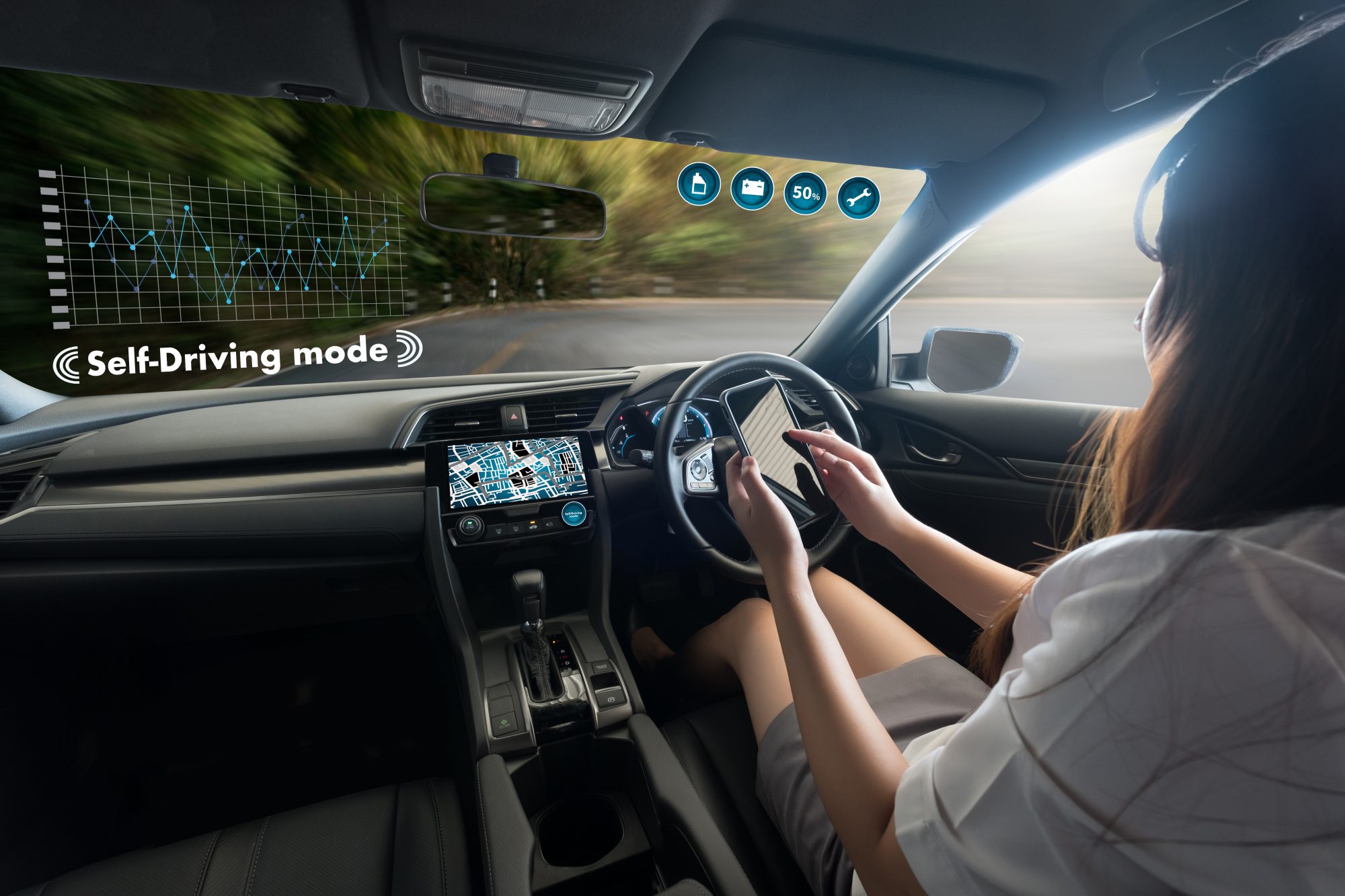
- Autonomous Driving Capabilities: Self-driving cars use a combination of sensors, cameras, radar, and AI algorithms to navigate roads without human intervention. Features like adaptive cruise control, lane-keeping assist, and traffic jam assist are paving the way for fully autonomous vehicles. Companies like Tesla, Waymo, and traditional automakers are leading this transformation.
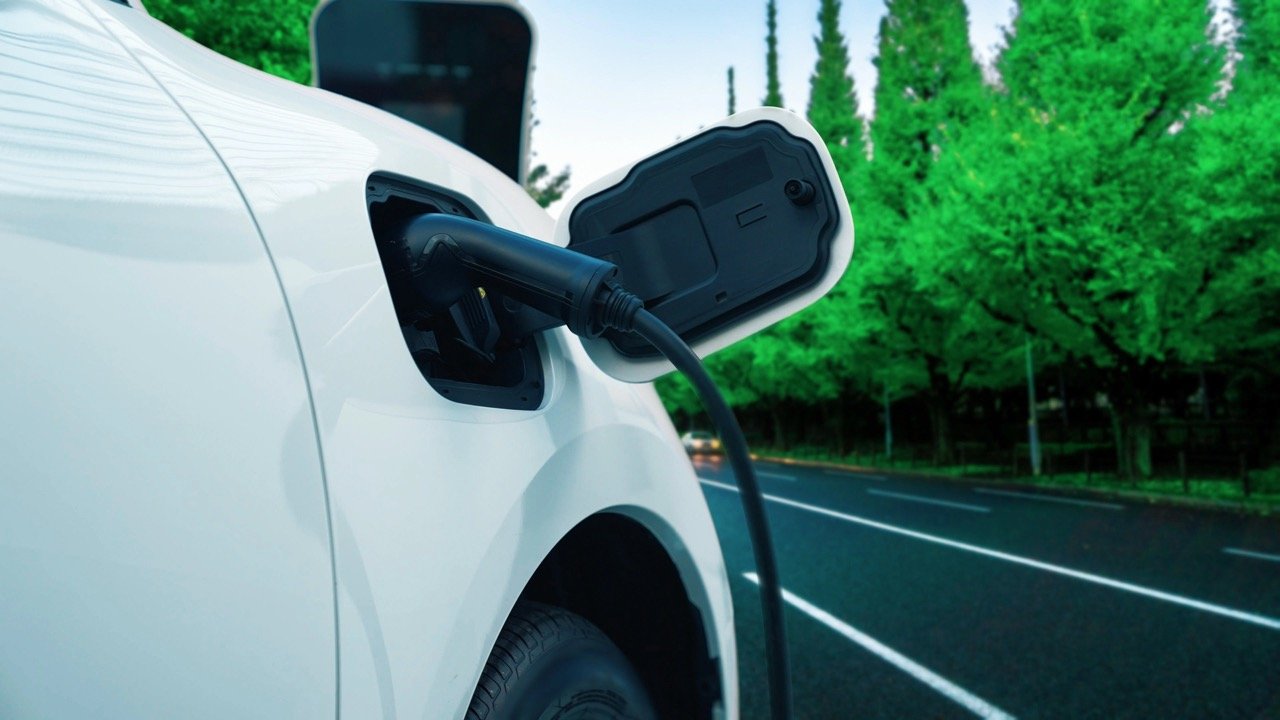
- Electric and Hybrid Powertrains: The shift from internal combustion engines to electric and hybrid systems is at the heart of the automotive revolution. These vehicles offer zero-emission driving, lower operating costs, and improved energy efficiency. Advances in battery technology, such as solid-state batteries and faster charging solutions, are making electric cars more practical for everyday use.
- Vehicle-to-Everything (V2X) Communication: V2X technology enables cars to communicate with traffic lights, road signs, and other vehicles in real time. This communication helps prevent accidents, optimize traffic flow, and provide drivers with up-to-date information about road conditions. It forms the backbone of smart transportation systems.
- Advanced Driver Assistance Systems (ADAS): ADAS includes features like automatic emergency braking, blind-spot detection, and parking assistance. These systems use sensors and AI to enhance driver awareness and reduce the risk of collisions. They are becoming standard in new vehicles and are a critical step toward fully autonomous driving.
- Augmented Reality (AR) Dashboards: AR dashboards overlay digital information onto the real-world view through the windshield. This includes navigation directions, speed limits, and hazard warnings, making driving more intuitive and safer by reducing distractions.
- Over-the-Air (OTA) Updates: Similar to smartphones, modern cars can receive software updates wirelessly to improve performance, add new features, or fix bugs. OTA updates ensure that vehicles stay current with the latest advancements without requiring a visit to a dealership.
- Connected Infotainment Systems: These systems integrate with smartphones, streaming services, and smart home devices to provide a personalized and connected driving experience. Features like voice control, real-time traffic updates, and remote vehicle management are now common in newer car models.
- Lightweight Materials and Aerodynamics: The use of advanced materials like carbon fiber, aluminum, and high-strength steel, along with improved aerodynamics, reduces vehicle weight and drag. This enhances energy efficiency, extends battery range for electric vehicles, and improves overall performance.
Frequently Asked Questions / Pros & Cons
What are the main benefits of autonomous driving technology?
Autonomous driving technology promises several benefits, including reduced human error, which is a leading cause of accidents. It also offers increased mobility for elderly and disabled individuals, improved traffic flow, and the potential for reduced fuel consumption through optimized driving patterns.
Are electric vehicles really better for the environment?
Electric vehicles produce zero tailpipe emissions, which improves local air quality. However, their overall environmental impact depends on how the electricity they use is generated. In regions with a high share of renewable energy, electric cars have a significantly lower carbon footprint than gasoline-powered vehicles.
How safe are advanced driver assistance systems?
ADAS features, such as automatic emergency braking and lane-keeping assist, have been shown to reduce the likelihood of accidents. Studies indicate these systems can prevent up to 40 percent of crashes. However, they are not foolproof and still require driver attention and supervision.
What are the challenges of implementing V2X communication?
The main challenges include the need for widespread infrastructure support, such as smart traffic lights and roadside units, as well as ensuring interoperability between different manufacturers. Privacy and cybersecurity concerns also pose significant hurdles that need to be addressed.
Do OTA updates pose security risks for vehicles?
While OTA updates enhance vehicle functionality, they also introduce potential cybersecurity risks if not properly secured. Automakers are investing heavily in robust encryption and authentication protocols to protect vehicles from hacking and unauthorized access.
Practical Guidance & Solutions
For consumers interested in adopting these cutting-edge technologies, the first step is to research and identify which features align with their driving needs and lifestyle. When considering an electric vehicle, evaluate the available charging infrastructure in your area and the vehicle’s range to ensure it meets your daily requirements. For those interested in autonomous features, look for models equipped with advanced ADAS systems and check for regular software updates to benefit from the latest improvements.
It is also advisable to stay informed about local regulations regarding autonomous driving and V2X technology, as these vary by region. Regular maintenance and software updates are crucial to keep advanced systems functioning optimally. Lastly, always prioritize safety by understanding the limitations of driver assistance technologies and remaining vigilant while behind the wheel.
Conclusion
The future of driving is being rewritten by remarkable technological innovations that promise to make our roads safer, smarter, and more sustainable. From autonomous cars and electric powertrains to connected ecosystems and augmented reality dashboards, these advancements are reshaping the automotive landscape. While challenges remain, the potential benefits are too significant to ignore. As these technologies continue to evolve, they will not only change how we drive but also how we live, work, and interact with the world around us. Embracing these innovations today will ensure we are ready for the driving experience of tomorrow.