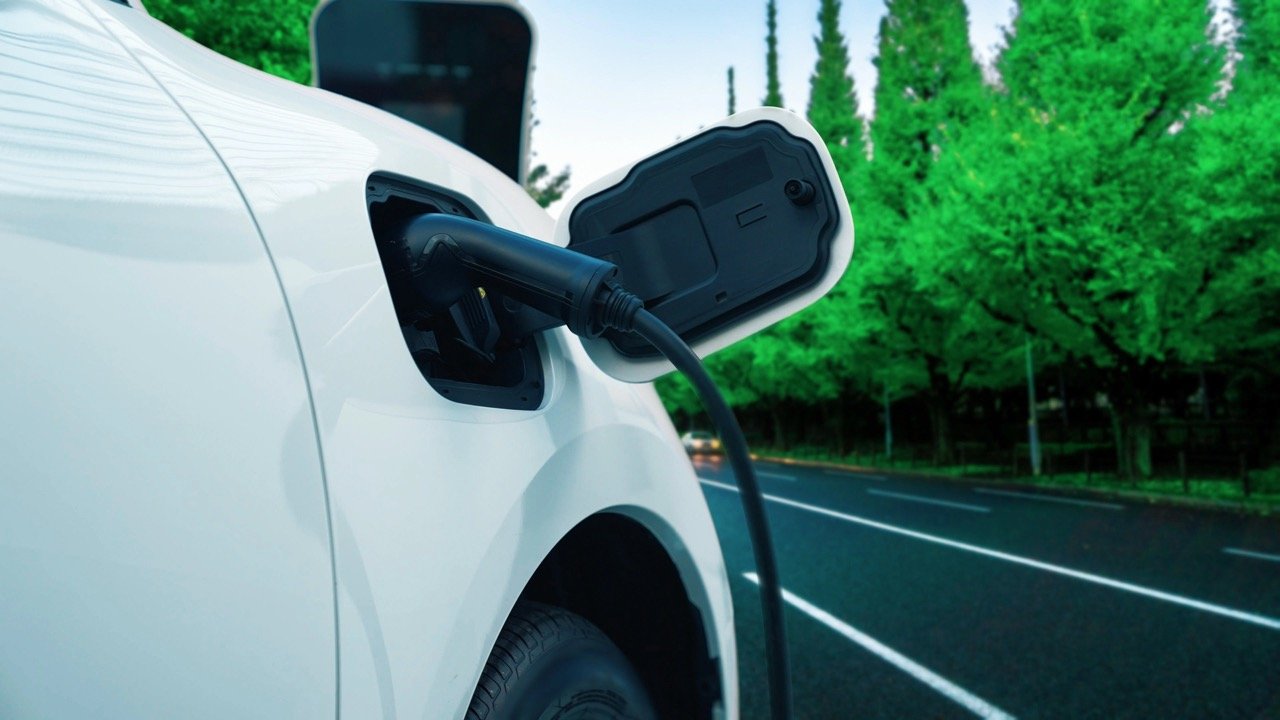
Revolutionizing the Road: How Smart Vehicles Are Redefining Mobility

Introduction & Background
The automotive industry stands at the threshold of a transformative era driven by smart vehicles. These advanced machines, equipped with cutting-edge technologies like artificial intelligence and connectivity, promise to redefine how we move, interact, and live. With traffic congestion rising in major cities and environmental concerns taking center stage, smart vehicles emerge not just as a luxury but as a necessity. Governments, manufacturers, and consumers are increasingly recognizing their potential to enhance safety, efficiency, and sustainability on the roads. This shift from traditional vehicles to intelligent mobility solutions marks a pivotal moment in transportation history, blending innovation with necessity to create a smarter, greener future.
Concept & Overview
Smart vehicles represent a fusion of automotive engineering and digital technology, designed to operate with minimal human intervention while maximizing performance and safety. At their core, these vehicles rely on sensors, cameras, radar, and advanced software to perceive their surroundings, make real-time decisions, and navigate complex environments. Unlike conventional cars, smart vehicles communicate with each other and infrastructure through vehicle-to-everything (V2X) technology, enabling seamless data exchange. This interconnected ecosystem forms the backbone of intelligent transportation systems, where vehicles become proactive participants rather than passive transporters. The evolution of smart vehicles is closely tied to advancements in autonomous driving, connectivity, and energy efficiency, all aimed at optimizing the driving experience while reducing environmental impact.
Key Features & Highlights
- Autonomous Driving Capabilities: Smart vehicles leverage artificial intelligence and machine learning to perform tasks such as lane-keeping, adaptive cruise control, and self-parking. Some models can even navigate urban streets without human input, reducing the risk of human error.
- Connectivity & Real-Time Data: Equipped with 5G and IoT sensors, these vehicles continuously exchange data with traffic systems, other cars, and cloud platforms. This connectivity enables features like predictive maintenance, traffic optimization, and over-the-air software updates.
- Advanced Safety Systems: Features such as automatic emergency braking, blind-spot monitoring, and collision avoidance systems use real-time data to prevent accidents. These technologies significantly reduce fatalities and injuries on the road.
- Energy Efficiency & Sustainability: Many smart vehicles are designed to be electric or hybrid, reducing greenhouse gas emissions. Regenerative braking and energy-efficient routing further enhance their eco-friendly credentials.
- User-Centric Interfaces: High-resolution touchscreens, voice assistants, and augmented reality dashboards provide intuitive controls. These interfaces adapt to driver preferences, making interactions seamless and personalized.
- Vehicle-to-Everything (V2X) Communication: This technology allows vehicles to communicate with traffic lights, road signs, and even pedestrians’ devices. It enhances situational awareness and enables proactive responses to potential hazards.
Frequently Asked Questions / Pros & Cons
What are the main benefits of smart vehicles?
Smart vehicles offer numerous advantages. They significantly improve road safety by reducing human errors, which account for the majority of accidents. They enhance mobility for elderly and disabled individuals by providing autonomous driving options. Additionally, their connectivity features optimize traffic flow, reducing congestion and commute times. Environmentally, they contribute to lower emissions through efficient energy use and electric powertrains, aligning with global sustainability goals.
What are the potential drawbacks or challenges?
Despite their promise, smart vehicles face several challenges. High production costs make them inaccessible to many consumers, limiting widespread adoption. Cybersecurity risks pose a significant threat, as connected vehicles could become targets for hacking. Infrastructure readiness is another hurdle, as smart roads and charging stations must be widely implemented. Furthermore, regulatory frameworks lag behind technological advancements, creating uncertainty for manufacturers and users alike.
How do smart vehicles impact job markets?
The rise of smart vehicles is expected to disrupt traditional job markets in the automotive sector. While new roles in software development, data analytics, and AI engineering will emerge, jobs in manufacturing and traditional driving may decline. The transition requires reskilling and upskilling initiatives to prepare the workforce for a technology-driven future. Governments and industries must collaborate to ensure a smooth and inclusive transition.
Are smart vehicles truly autonomous?
Current smart vehicles operate at varying levels of autonomy, as defined by the SAE International standards. Level 2 vehicles, for example, offer partial automation with features like adaptive cruise control and lane centering, but still require human oversight. Fully autonomous vehicles, classified as Level 4 or 5, can operate without any human intervention in specific conditions. However, widespread deployment of Level 4 or 5 vehicles is still years away, pending regulatory approval and technological refinement.
Practical Guidance & Solutions
For consumers considering a smart vehicle, it is essential to evaluate individual needs and budget constraints. Start by researching models that offer the right balance of features and affordability. Look for vehicles with robust cybersecurity measures to protect against potential threats. Infrastructure readiness is another critical factor. Ensure that charging stations for electric smart vehicles are accessible in your area, or consider hybrid options if full electrification is not yet viable.
For businesses, investing in smart fleet management systems can lead to long-term cost savings and efficiency gains. Implementing predictive maintenance and route optimization tools can reduce downtime and fuel consumption. Collaboration with local governments to develop smart infrastructure, such as connected traffic lights and road sensors, can further enhance the benefits of smart vehicles.
On a broader scale, policymakers must prioritize regulatory frameworks that encourage innovation while safeguarding public interests. Incentives for research and development in smart vehicle technologies can accelerate progress. Public awareness campaigns can also help demystify smart vehicles, addressing concerns about safety, privacy, and reliability.
Conclusion
Smart vehicles are not merely a fleeting trend but a fundamental shift in how we envision mobility. They hold the promise of safer, cleaner, and more efficient transportation, reshaping urban landscapes and daily commutes alike. While challenges remain, the trajectory is clear. As technology advances and infrastructure evolves, smart vehicles will become an integral part of our lives. The journey toward this future requires collaboration among industries, governments, and consumers. By embracing innovation and addressing challenges proactively, we can usher in an era where the road is not just a path to travel but a smart, connected ecosystem that enhances our quality of life. Revolutionizing the road is not just about smarter vehicles, but about creating a smarter way to live.