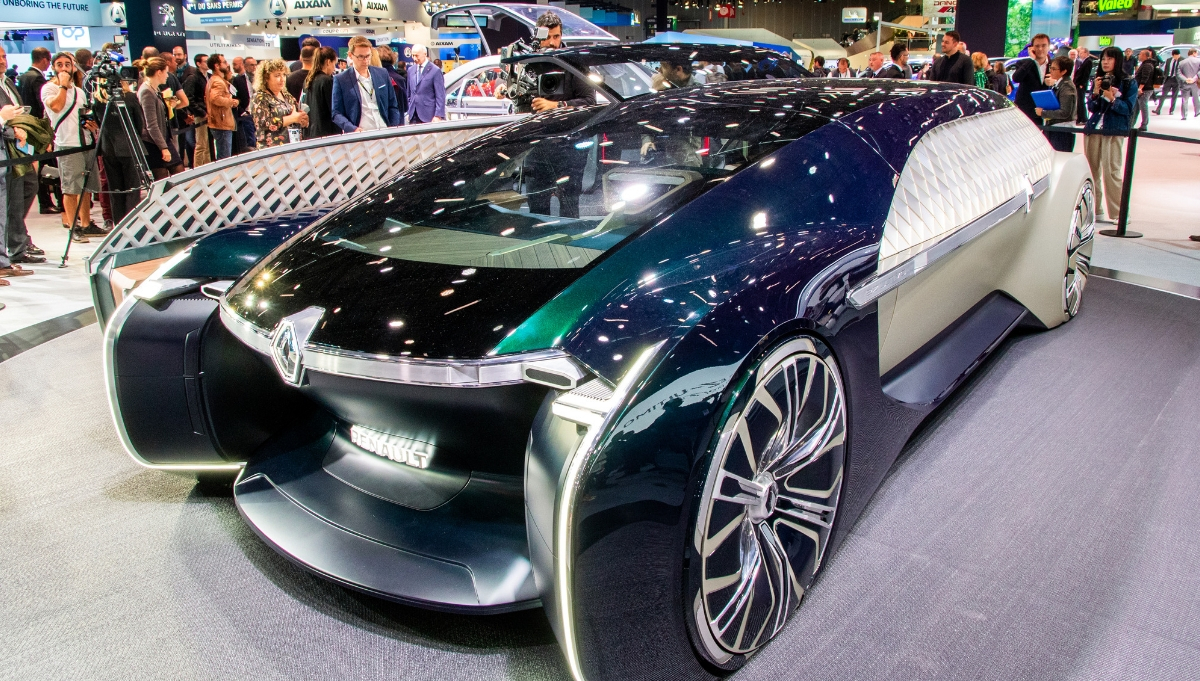
Revolution on Wheels: How Smart Vehicles Are Redefining Our Roads

Introduction & Background
The automobile industry is undergoing one of its most transformative phases in over a century. From the invention of the internal combustion engine to the rise of electric vehicles, each technological leap has reshaped how we move, work, and live. Today, a new revolution is unfolding on our roads: the rise of smart vehicles. These are not merely cars with better infotainment systems or improved safety features. Instead, they represent a fundamental shift toward autonomy, connectivity, and intelligence on four wheels. Smart vehicles are equipped with advanced sensors, artificial intelligence, and real-time data processing capabilities that enable them to navigate, communicate, and optimize their performance like never before.
This transformation is not happening in isolation. It is fueled by rapid advancements in computing power, the proliferation of 5G networks, and the growing demand for sustainable and efficient transportation. Cities worldwide are grappling with congestion, pollution, and road safety challenges, making smart vehicles a promising solution. Governments, manufacturers, and tech companies are investing billions to turn this vision into reality. As we stand on the brink of this mobility revolution, it is essential to understand what smart vehicles truly are and how they are redefining our roads.
Concept & Overview
At its core, a smart vehicle is a road-going machine that leverages cutting-edge technology to enhance safety, efficiency, and user experience. Unlike traditional vehicles that rely solely on human drivers, smart vehicles integrate multiple systems, such as advanced driver-assistance systems (ADAS), vehicle-to-everything (V2X) communication, and cloud-based analytics, to function with varying degrees of autonomy. The term “smart vehicle” encompasses a broad spectrum of innovations, from semi-autonomous cars that assist drivers in complex situations to fully autonomous vehicles capable of navigating urban environments without human input.
The intelligence of these vehicles stems from a combination of hardware and software. High-definition cameras, radar, LiDAR, ultrasonic sensors, and GPS units collect data from the surroundings in real time. This data is processed by onboard computers powered by machine learning algorithms, which interpret the environment, predict potential hazards, and make split-second decisions. Additionally, smart vehicles are increasingly connected to the internet and other devices, allowing them to receive software updates, traffic alerts, and remote diagnostics. This connectivity ensures that the vehicle evolves continuously, improving its performance and safety features over time.
Another defining characteristic of smart vehicles is their ability to communicate not just with the external world but also with other vehicles and infrastructure. This Vehicle-to-Everything (V2X) communication enables cars to share information about road conditions, traffic signals, and potential collisions, creating a cooperative ecosystem on the road. By bridging the gap between individual vehicles and the broader transportation network, smart vehicles are laying the foundation for smarter, safer, and more sustainable cities.
Key Features & Highlights
- Autonomous Driving Capabilities: Smart vehicles range from Level 2 (partial automation) to Level 5 (full automation), where Level 5 vehicles can operate independently in all conditions without human intervention.
- Advanced Driver-Assistance Systems (ADAS): Features like adaptive cruise control, lane-keeping assist, automatic emergency braking, and blind-spot monitoring enhance driver safety and reduce human error.
- Vehicle-to-Everything (V2X) Communication: Enables vehicles to communicate with traffic lights, road signs, other cars, and even pedestrians, improving traffic flow and reducing accidents.
- Real-Time Data Processing: Onboard AI systems analyze sensor data instantly to make decisions, such as avoiding obstacles or rerouting due to traffic congestion.
- Over-the-Air (OTA) Updates: Allows vehicles to receive software upgrades remotely, ensuring that features and security protocols are always up to date.
- Environmental & Energy Efficiency: Many smart vehicles are electric or hybrid, reducing emissions and fuel consumption while optimizing energy use through intelligent routing and battery management.
- User-Centric Interfaces: Touchscreens, voice assistants, and augmented reality dashboards provide personalized, intuitive interactions tailored to the driver and passengers.
- Predictive Maintenance: Sensors monitor the health of vehicle components and alert owners or service centers about potential issues before they lead to breakdowns.
- Connectivity & Infotainment: Integration with smartphones, streaming services, and smart home devices ensures seamless connectivity and entertainment on the go.
- Enhanced Safety Protocols: Multiple redundant systems, emergency response features, and cybersecurity measures protect both the vehicle and its occupants from physical and digital threats.
Frequently Asked Questions / Pros & Cons
What exactly defines a smart vehicle?
A smart vehicle is defined by its integration of advanced technologies such as artificial intelligence, sensors, connectivity, and automation. These vehicles can perceive their environment, make decisions, and communicate with external systems, often with minimal or no human input.
Are smart vehicles fully autonomous today?
No, fully autonomous (Level 5) vehicles are still in development and testing phases. Most commercially available smart vehicles today fall under Level 2 or 3, where drivers are still required to remain attentive and ready to take control.
Pros:
- Improved Safety: Smart vehicles reduce human error, which is a leading cause of accidents. Features like automatic braking and collision avoidance can prevent many crashes.
- Enhanced Efficiency: Optimized routing and predictive maintenance reduce fuel consumption and extend vehicle lifespan.
- Reduced Traffic Congestion: V2X communication and smart traffic management systems help smooth traffic flow and minimize bottlenecks.
- Environmental Benefits: Electric and hybrid smart vehicles contribute to lower emissions and cleaner air in urban areas.
- Convenience: Features like self-parking, voice commands, and remote vehicle control offer a more comfortable and personalized driving experience.
Cons:
- High Cost: The advanced technology in smart vehicles makes them significantly more expensive than conventional cars, limiting accessibility for many consumers.
- Cybersecurity Risks: Increased connectivity makes smart vehicles vulnerable to hacking and data breaches, raising concerns about privacy and safety.
- Regulatory Challenges: Governments are still developing laws and standards for autonomous and connected vehicles, creating uncertainty for manufacturers and users.
- Infrastructure Dependence: Smart vehicles rely on robust digital infrastructure, including 5G networks and smart roads, which may not be available in all regions.
- Public Trust: Many people are skeptical about relinquishing control to a machine, especially after high-profile accidents involving autonomous vehicles.
Practical Guidance & Solutions
For those considering a smart vehicle or wanting to adapt to this new era of transportation, several practical steps can help navigate the transition smoothly.
1. Research and Compare Models: Not all smart vehicles offer the same features or levels of autonomy. Consumers should research different models, compare their specifications, and read independent reviews to find a vehicle that meets their needs and budget.
2. Understand the Technology: Before purchasing, it is important to understand how advanced driver-assistance systems work and what limitations they may have. For example, drivers should know that even Level 3 systems may require them to take control in certain situations.
3. Prioritize Safety and Security: When choosing a smart vehicle, look for models with strong cybersecurity measures, regular software updates, and advanced safety features. Additionally, ensure that the vehicle’s connectivity is protected with encryption and authentication protocols.
4. Plan for Maintenance and Updates: Smart vehicles require regular software updates and occasional hardware maintenance. Owners should stay informed about OTA updates and schedule routine check-ups to keep the vehicle in optimal condition.
5. Advocate for Better Infrastructure: If smart vehicles are to reach their full potential, supportive infrastructure is essential. Consumers can advocate for the development of smart roads, reliable 5G networks, and clear regulations in their communities.
6. Educate Yourself on Local Laws: Autonomous vehicle laws vary by region. Before driving a smart vehicle, familiarize yourself with local regulations regarding automation levels, insurance requirements, and liability in case of accidents.
7. Consider Shared Mobility Options: For those hesitant about owning a smart vehicle, shared mobility services like autonomous taxis or ride-hailing apps offer a way to experience the benefits without the commitment. Companies like Waymo and Cruise are already testing such services in select cities.
8. Prepare for the Future: As smart vehicles become more common, their integration into daily life will accelerate. Staying informed about technological advancements and industry trends can help individuals and businesses adapt proactively.
Conclusion
The rise of smart vehicles marks a pivotal moment in transportation history. These intelligent machines are not just changing how we drive; they are reimagining the entire ecosystem of mobility. From reducing accidents and emissions to optimizing traffic and enhancing convenience, smart vehicles hold the promise of safer, cleaner, and more efficient roads. Yet, their full potential hinges on overcoming significant challenges, including cost, cybersecurity, and regulatory hurdles.
As technology continues to evolve, the line between driver and machine will blur further, leading to a future where roads are not just pathways for vehicles but intelligent networks that communicate and collaborate. For consumers, businesses, and governments alike, embracing this revolution requires not only investment but also a willingness to adapt and innovate. The journey toward fully smart roads is just beginning, and with each passing milestone, we move closer to a world where transportation is not merely a necessity but a seamless, intelligent experience. The revolution is on wheels, and the destination is a smarter, more connected future.