The Road Ahead: 10 Mind-Blowing Car Tech Innovations Redefining the Future

Introduction & Background
The automotive industry is undergoing a technological revolution that promises to reshape how we drive, commute, and even think about transportation. From electric mobility to artificial intelligence integration, car technology innovations are evolving at an unprecedented pace. These advancements are not just about making cars faster or more efficient. Instead, they are redefining safety, sustainability, and user experience in ways that were once considered science fiction. As climate concerns grow and urbanization accelerates, the need for smarter, cleaner, and more connected vehicles has never been clearer. This transformation is driven by consumer demand, regulatory pressures, and breakthroughs in digital and engineering fields. The road ahead is paved with innovation, and the cars of tomorrow are being built today.
Concept & Overview
The concept behind the latest car technology innovations revolves around creating a holistic ecosystem of mobility. It combines electric powertrains, autonomous driving systems, connectivity platforms, and sustainable materials to deliver a seamless driving experience. At its core, this evolution is about reducing carbon footprints while enhancing convenience, safety, and personalization. Modern car technologies integrate sensors, cloud computing, and real-time data analytics to anticipate driver needs and adapt to changing conditions. Whether through over-the-air software updates or vehicle-to-everything (V2X) communication, these systems are designed to work together, forming a networked environment that extends beyond the vehicle itself. The ultimate goal is to create a transportation network that is intelligent, efficient, and responsive to both individual and societal needs.
Key Features & Highlights
- Electric Vehicle (EV) Revolution: Battery technology has advanced with solid-state batteries offering higher energy density and faster charging. Many automakers are phasing out internal combustion engines in favor of pure electric and hydrogen fuel cell vehicles.
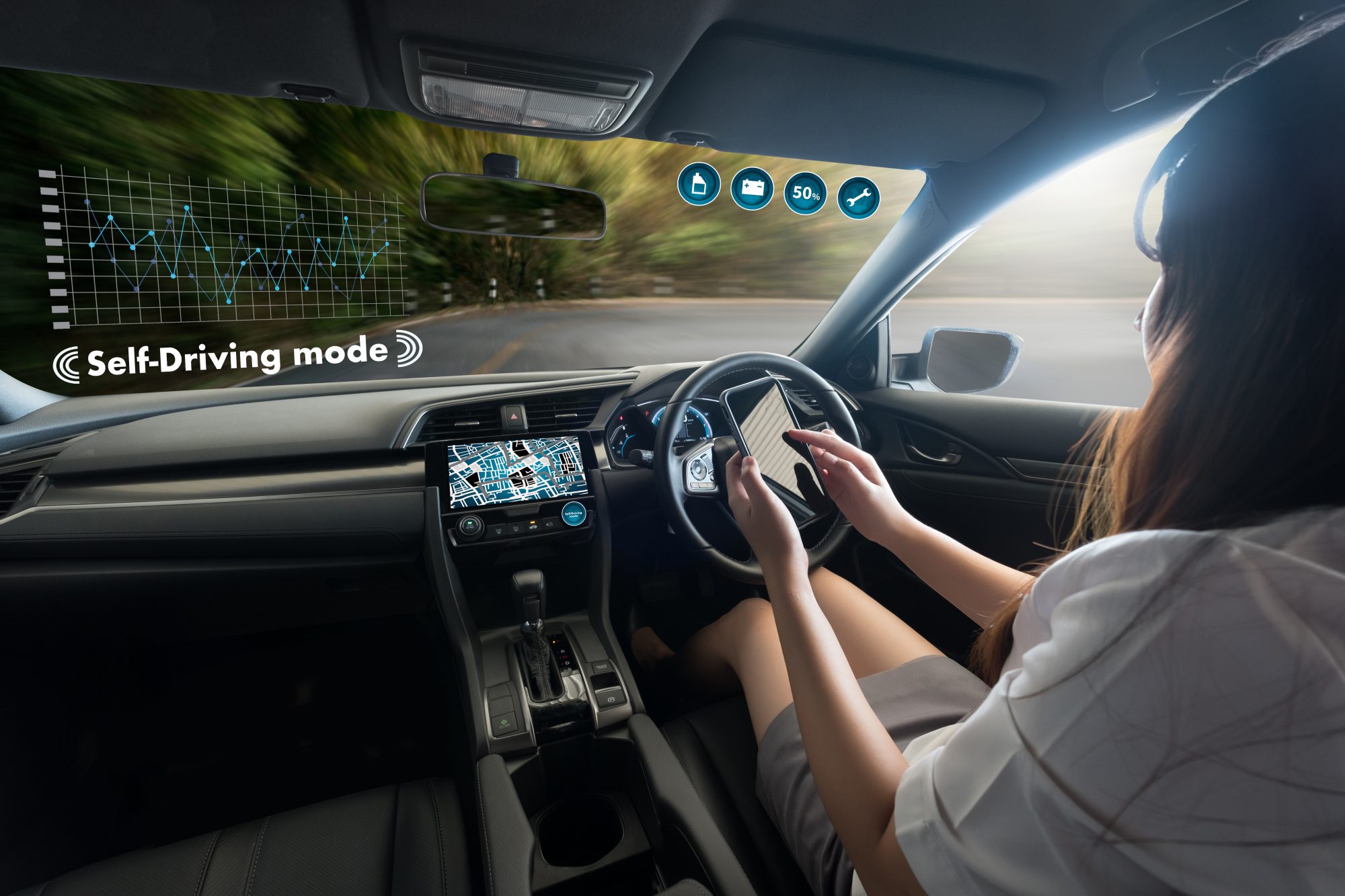
- Autonomous Driving Systems: Level 3 and Level 4 autonomous driving features are being introduced, enabling cars to handle complex driving scenarios with minimal human intervention. Advanced driver-assistance systems (ADAS) use AI-powered cameras, radar, and LiDAR to interpret surroundings.
- Vehicle-to-Everything (V2X) Communication: Cars can now communicate with traffic signals, other vehicles, and infrastructure, reducing accidents and improving traffic flow. This technology enables real-time updates on road conditions and hazard warnings.
- Over-the-Air (OTA) Updates: Just like smartphones, modern vehicles receive software updates wirelessly, enhancing performance, adding new features, and fixing bugs without requiring a visit to the dealership.
- Augmented Reality (AR) Dashboards: AR windshields and heads-up displays project navigation, traffic, and safety alerts directly onto the driver’s line of sight, minimizing distractions and improving situational awareness.
- Biometric Sensors & Personalization: In-cabin sensors monitor driver alertness, stress levels, and even health metrics like heart rate. The car adjusts seat positions, climate, and infotainment based on biometric feedback.
- Sustainable Materials & Circular Design: Automakers are using recycled plastics, bio-based fabrics, and lightweight composites to reduce environmental impact. Some vehicles are even designed for easy disassembly and component reuse.
- Predictive Maintenance: AI-driven systems analyze engine performance, tire pressure, and brake wear in real time. Alerts are sent to drivers and service centers before a component fails, preventing breakdowns and extending vehicle lifespan.
- Shared Mobility Integration: Cars are becoming nodes in a larger mobility ecosystem. Integration with ride-sharing apps, car subscription services, and public transit systems allows users to seamlessly switch between personal and shared transportation.
- Voice & Gesture Control: Natural language processing enables drivers to control navigation, climate, and entertainment systems using voice commands. Gesture recognition adds another layer of intuitive interaction without touching any physical controls.
Frequently Asked Questions / Pros & Cons
What are the main benefits of electric vehicles?
Electric vehicles reduce greenhouse gas emissions, lower fuel costs, and require less maintenance due to fewer moving parts. They also offer smoother acceleration and quieter operation compared to traditional combustion engines.
Are autonomous cars safe enough for public use?
Current autonomous systems have been tested extensively in controlled environments and real-world scenarios. While no technology is 100 percent foolproof, advanced AI and redundancy systems significantly reduce human error, which is a leading cause of accidents.
How do OTA updates improve vehicle performance?
OTA updates allow manufacturers to introduce new features, enhance cybersecurity, improve battery management, and even recalibrate autonomous driving algorithms without requiring physical service visits. This ensures vehicles remain up to date with the latest advancements.
What are the environmental benefits of using sustainable materials?
Using recycled and bio-based materials reduces reliance on virgin resources, lowers carbon emissions during production, and minimizes waste. Circular design principles also extend product lifecycles, reducing the need for new raw materials.
What challenges do car tech innovations face?
High development costs, cybersecurity risks, infrastructure gaps for EV charging, and consumer resistance to change are notable challenges. Additionally, ensuring interoperability between different brands and systems remains a complex issue.
Do advanced safety features actually reduce accidents?
Studies show that technologies like automatic emergency braking, lane-keeping assist, and blind-spot monitoring have contributed to measurable reductions in collisions. However, driver vigilance and responsible use are still essential.
Practical Guidance & Solutions
If you’re considering upgrading to a next-generation vehicle, start by assessing your driving habits and charging infrastructure at home. For those new to EVs, plan your route using apps that locate fast-charging stations. Always prioritize models with the latest ADAS features, especially if you frequently drive in high-traffic areas.
For autonomous driving features, familiarize yourself with the vehicle’s limitations. Level 2 systems require constant driver supervision, so remain ready to take control. Keep software updated regularly and verify that your network connection is secure to protect against cyber threats.
For businesses, explore fleet management solutions that integrate predictive maintenance and telematics. This can reduce downtime and operational costs significantly. When selecting materials or purchasing a vehicle, look for third-party certifications that validate sustainability claims.
Finally, stay informed about regulatory changes in your region regarding emissions, data privacy, and autonomous driving. Advocating for better infrastructure, such as more charging stations, can help accelerate the adoption of these technologies.
Conclusion
The future of driving is here, and it is brimming with possibilities. From electric powertrains that whisper through city streets to autonomous systems that navigate with machine precision, car technology is redefining what it means to be on the road. These innovations are not just about performance. They represent a shift toward sustainability, safety, and connectivity that benefits every driver and the planet we share. While challenges remain, the progress is undeniable. The cars of tomorrow will be smarter, cleaner, and more attuned to our needs than ever before. Buckle up. The journey ahead is not just about reaching a destination. It’s about transforming the entire experience of driving itself.