Reinventing Safety: The Next Generation of Crash Protection

Introduction & Background
Safety in transportation has always been a cornerstone of innovation, evolving alongside technology and human ingenuity. From the early days of seatbelts to advanced airbag systems, each breakthrough has paved the way for safer journeys. Today, the next generation of crash protection is not just about meeting regulations, it’s about reimagining what safety means in an era of smart vehicles, artificial intelligence, and sustainable design. As roads become busier and vehicles more complex, the demand for smarter, faster, and more adaptive protection systems has never been greater. This shift is driven by a simple yet powerful idea: to reduce injuries and save lives, not just in collisions, but before they happen.
Modern crash protection goes beyond traditional metal crumple zones and padded interiors. It now integrates real-time data processing, adaptive structures, and predictive algorithms that can anticipate danger before impact. These advancements are not confined to passenger cars alone. They extend to motorcycles, bicycles, pedestrians, and even drones, reflecting a holistic approach to safety across all modes of transport. The urgency to reinvent safety has been amplified by rising accident rates in urban areas, the emergence of autonomous vehicles, and the global push for zero traffic fatalities. In this landscape, the next generation of crash protection stands as a beacon of hope, promising a future where every journey is not just efficient, but inherently safer.
Concept & Overview
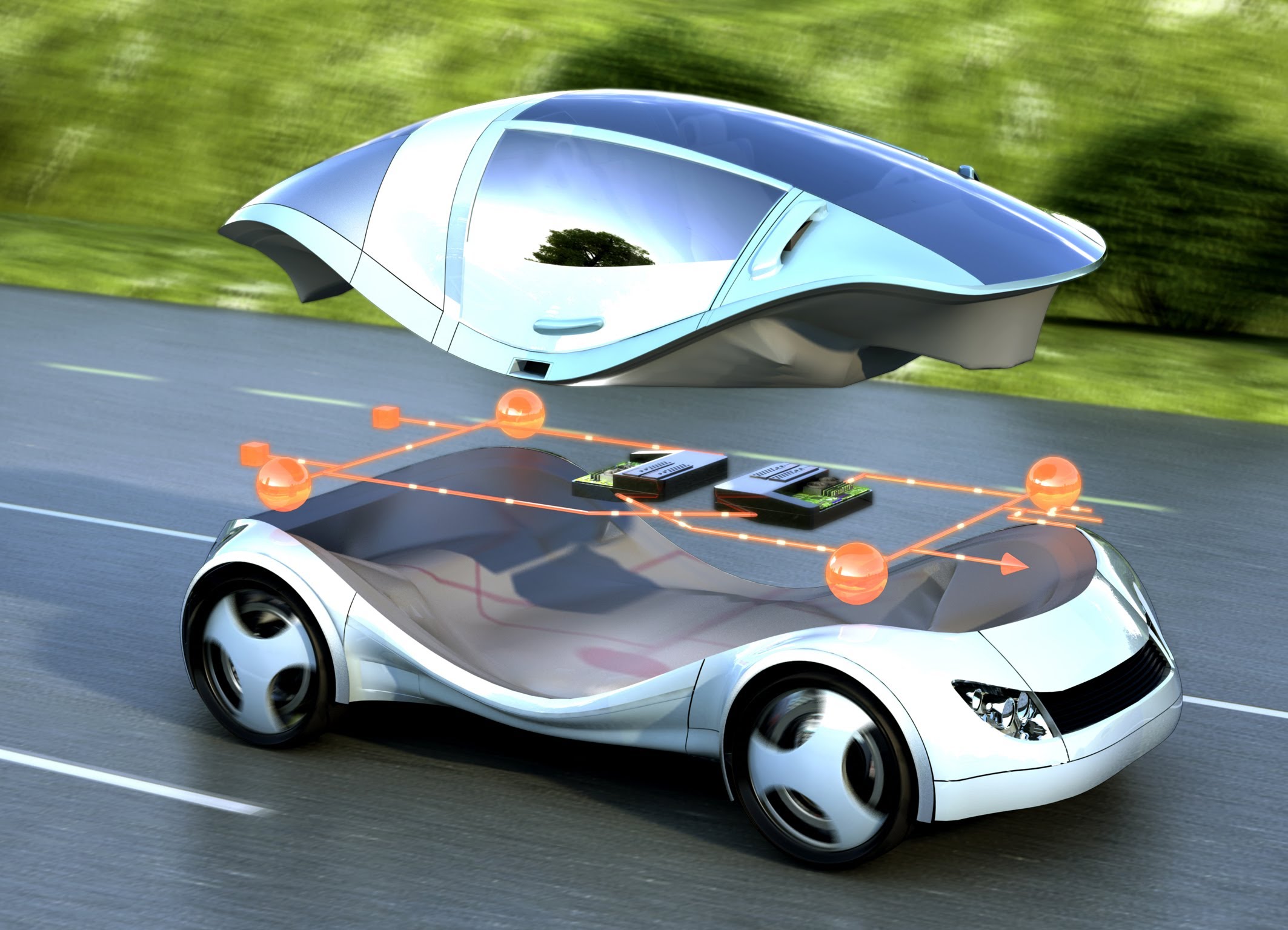
The next generation of crash protection is built on a foundation of three core principles: adaptability, intelligence, and integration. Adaptability refers to systems that can respond dynamically to different types of impacts, vehicle speeds, and crash angles. Intelligence involves the use of sensors, artificial intelligence, and machine learning to analyze road conditions, predict potential collisions, and activate safety mechanisms proactively. Integration, meanwhile, ensures that these systems work seamlessly with existing vehicle architectures and other safety technologies.
At its core, this new approach shifts the safety paradigm from passive protection to active prevention. Traditional crash protection relies on structures like airbags and seatbelts that deploy only after a collision is detected. In contrast, next-generation systems aim to prevent the collision in the first place. They do this through features like automatic emergency braking, lane-keeping assist, and pedestrian detection. When a collision is unavoidable, these advanced systems ensure that the impact energy is absorbed and redirected in the safest possible manner, minimizing injury to occupants and bystanders. This represents a fundamental rethinking of vehicle safety, one that prioritizes foresight over response.
Key Features & Highlights
- Predictive Collision Avoidance Systems: These use a combination of radar, lidar, and cameras to monitor the vehicle’s surroundings in real time. Advanced algorithms analyze the data to predict potential collisions seconds before they occur, triggering automatic braking or steering adjustments.
- Adaptive Airbag Technology: Unlike traditional airbags, which deploy with fixed force and timing, adaptive airbags adjust their inflation based on crash severity, occupant weight, and seating position. Some systems even deploy airbags outside the vehicle to protect pedestrians and cyclists in the event of a low-speed collision.
- Self-Healing Materials: New polymer-based materials are being developed that can absorb impact energy and then recover their original shape. These materials reduce repair costs and improve safety by maintaining structural integrity after minor collisions.
- Biometric Seatbelts: Equipped with sensors, these seatbelts monitor the driver’s posture, heart rate, and alertness. In the event of an impending crash, the system can tighten the belt preemptively or even adjust the seat position to align with the expected impact direction.
- Vehicle-to-Everything (V2X) Communication: This technology allows vehicles to communicate with each other, traffic lights, road sensors, and even infrastructure like bridges and tunnels. By sharing real-time data, vehicles can anticipate hazards, such as sudden braking by a leading car, and respond accordingly.
- Energy-Absorbing Structures: Modern vehicles incorporate crumple zones and side-impact beams that are designed to collapse in a controlled manner, dissipating kinetic energy away from passengers. New materials like carbon fiber composites and high-strength steel alloys enhance these structures while reducing vehicle weight.
- External Airbags for Vulnerable Road Users: Some vehicles now feature external airbags designed to deploy on the exterior of the car in the event of a pedestrian or cyclist collision. These airbags cushion the impact, reducing the risk of severe injury.
- Autonomous Emergency Steering: When a collision is unavoidable, some advanced driver assistance systems can automatically steer the vehicle to avoid the obstacle or reduce the severity of the impact. This feature is particularly effective in multi-vehicle scenarios.
Frequently Asked Questions / Pros & Cons
What makes next-generation crash protection different from traditional systems?
Traditional systems focus on minimizing injury after a crash occurs, such as airbags and seatbelts. Next-generation systems aim to prevent crashes altogether through predictive technology and real-time adjustments. They integrate intelligence, adaptability, and connectivity to create a proactive safety network.
How reliable are AI-driven safety systems in real-world conditions?
AI-driven systems are tested extensively in controlled environments and real-world scenarios to ensure accuracy. While no system is perfect, advances in machine learning have improved reliability, especially in recognizing patterns and responding to unpredictable situations, such as sudden pedestrian crossings or unexpected obstacles.
Are these advanced safety features only available in high-end vehicles?
Initially, many of these features were found in luxury or premium vehicles due to high costs. However, as technology scales and production costs decrease, many safety innovations are now being incorporated into mid-range and even budget-friendly models. Regulatory mandates are also pushing manufacturers to include advanced safety features as standard equipment.
What are the potential drawbacks of relying on AI for crash protection?
One concern is over-reliance on technology, which may lead to complacency among drivers who assume the vehicle will always intervene. There are also questions about data privacy, as these systems require constant monitoring and data collection. Additionally, false positives or system malfunctions, though rare, could lead to unnecessary interventions.
Do next-generation safety systems reduce insurance premiums?
Many insurance companies offer discounts for vehicles equipped with advanced safety features, as they are statistically less likely to be involved in serious accidents. Features like automatic emergency braking, lane-keeping assist, and adaptive headlights can lead to lower insurance premiums, reflecting the reduced risk of collisions.
Can these systems be retrofitted into older vehicles?
Some aftermarket safety systems are available for older vehicles, such as collision avoidance kits or adaptive headlights. However, full integration of advanced features like V2X communication or self-healing materials requires factory-level installation and vehicle architecture modifications, making retrofitting limited and costly.
Practical Guidance & Solutions
If you are considering a vehicle with next-generation crash protection, start by evaluating which features are most important for your driving needs. For city commuters, predictive collision avoidance and pedestrian detection may be top priorities. For families, adaptive airbags and biometric seatbelts could offer peace of mind. Always check whether these features are standard or optional, and compare their effectiveness across different models.
For current vehicle owners interested in upgrading, explore aftermarket solutions that are compatible with your car’s make and model. Some manufacturers offer software updates that enhance existing safety systems with new capabilities, such as improved AI algorithms or expanded sensor coverage. Before purchasing any aftermarket product, ensure it meets safety certification standards and does not void your vehicle warranty.
Regular maintenance is crucial to ensure these advanced systems function correctly. Keep sensors clean and calibrated, update software as recommended, and promptly address any warning lights or system alerts. Familiarize yourself with the vehicle’s safety manual to understand how each feature operates and its limitations. While these systems are designed to work autonomously, human oversight remains essential to maximize their effectiveness.
For fleet operators or businesses managing multiple vehicles, investing in advanced safety technology can lead to long-term cost savings. Lower accident rates translate to reduced repair costs, insurance premiums, and vehicle downtime. Implementing driver training programs that highlight the capabilities and limitations of these systems can further enhance safety outcomes and employee awareness.
Conclusion
The next generation of crash protection is not just a technological evolution, it is a cultural shift towards a safer, more connected future on the roads. By combining intelligence, adaptability, and integration, these innovations are moving beyond the reactive models of the past to create environments where accidents are prevented rather than survived. While challenges remain in terms of accessibility, reliability, and public trust, the progress is undeniable and accelerating.
For drivers, the message is clear: the future of safety is here, and it is smarter than ever. Whether through built-in systems in new vehicles or aftermarket solutions for existing ones, there are tangible steps everyone can take to enhance their safety and that of others on the road. As these technologies become more widespread, they hold the potential to drastically reduce road fatalities and injuries worldwide. The journey toward zero traffic deaths is ambitious, but with every adaptive airbag deployed and every AI-driven prediction made, we edge closer to a world where every journey ends safely.