Car Tech Innovations That Save You Money

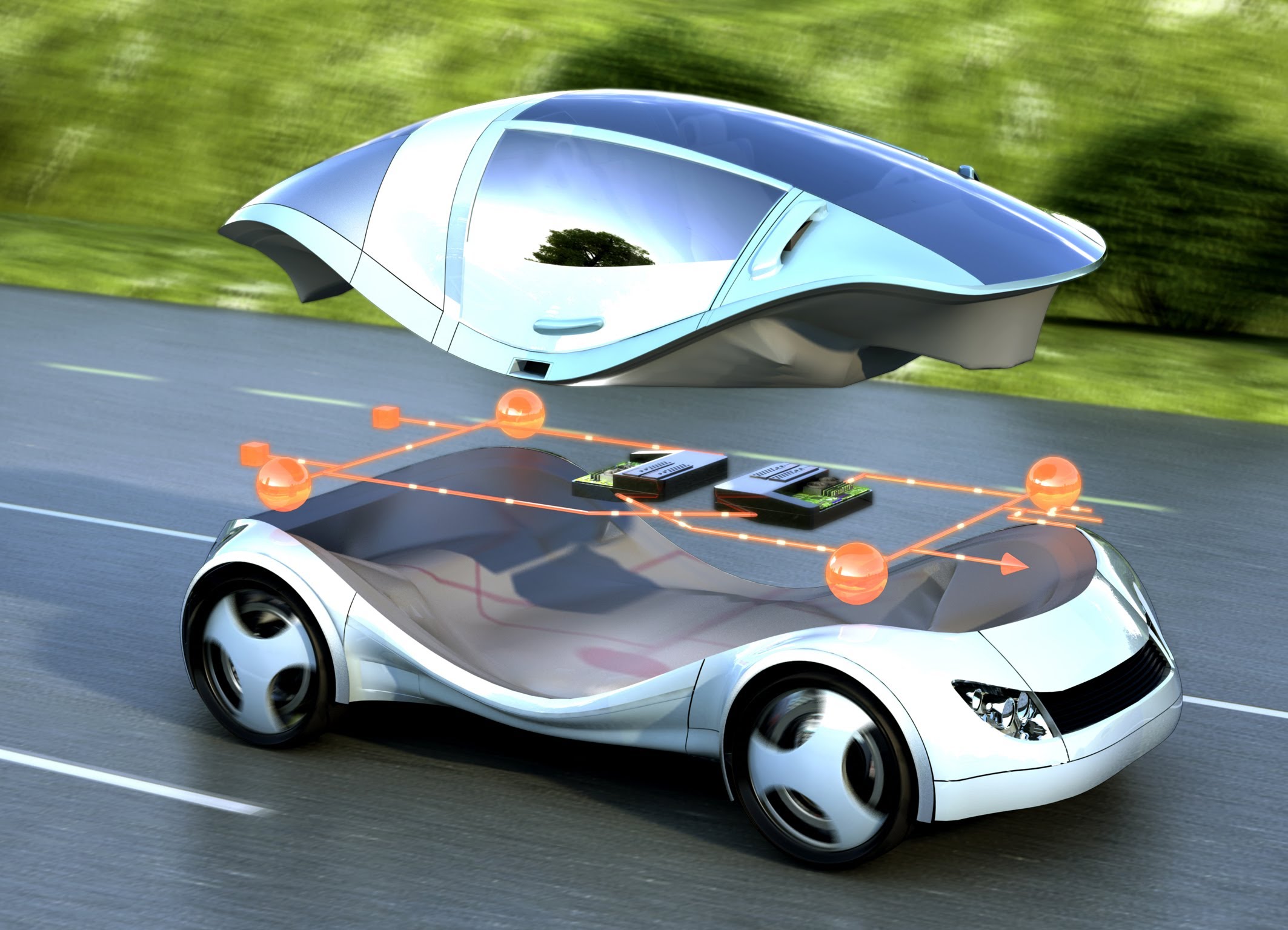
Modern vehicles are no longer just modes of transportation; they are sophisticated machines equipped with Money Saving Innovations that help drivers reduce expenses without compromising performance or comfort. From fuel-efficient systems to predictive maintenance and smart driving aids, technology is reshaping the automotive experience in ways that benefit both your wallet and the environment. These advancements make it possible to drive smarter, spend less, and enjoy greater peace of mind.
Fuel Efficiency Technologies
One of the most impactful ways cars save money is through advanced fuel efficiency. Hybrid drivetrains, start-stop engine systems, and regenerative braking all contribute to reducing fuel consumption. By recovering energy that would otherwise be lost during braking, regenerative systems extend the range of electric or hybrid vehicles while lowering operating costs. Even traditional internal combustion engines have benefited from turbocharging, variable valve timing, and engine downsizing, delivering better mileage without sacrificing power.
Predictive Maintenance and Diagnostics
Predictive maintenance is a game-changer in cost reduction. Modern vehicles are equipped with sensors and onboard diagnostics that monitor critical components such as the engine, transmission, brakes, and tires. These systems provide early warnings of potential issues, allowing drivers to address minor problems before they become major repairs. This proactive approach reduces unexpected repair bills, minimizes downtime, and ensures that vehicles operate at peak efficiency for longer periods.
Smart Driving Assistance
Smart driving assistance technologies contribute to both safety and cost savings. Adaptive cruise control, lane-keeping assistance, and traffic-aware navigation optimize driving behavior to minimize fuel consumption and reduce wear on vehicle components. For instance, by maintaining optimal speeds and avoiding sudden accelerations, drivers can extend tire life, reduce brake wear, and lower overall fuel expenses. These innovations encourage more economical driving without compromising convenience or comfort.
Electric and Hybrid Vehicle Advancements
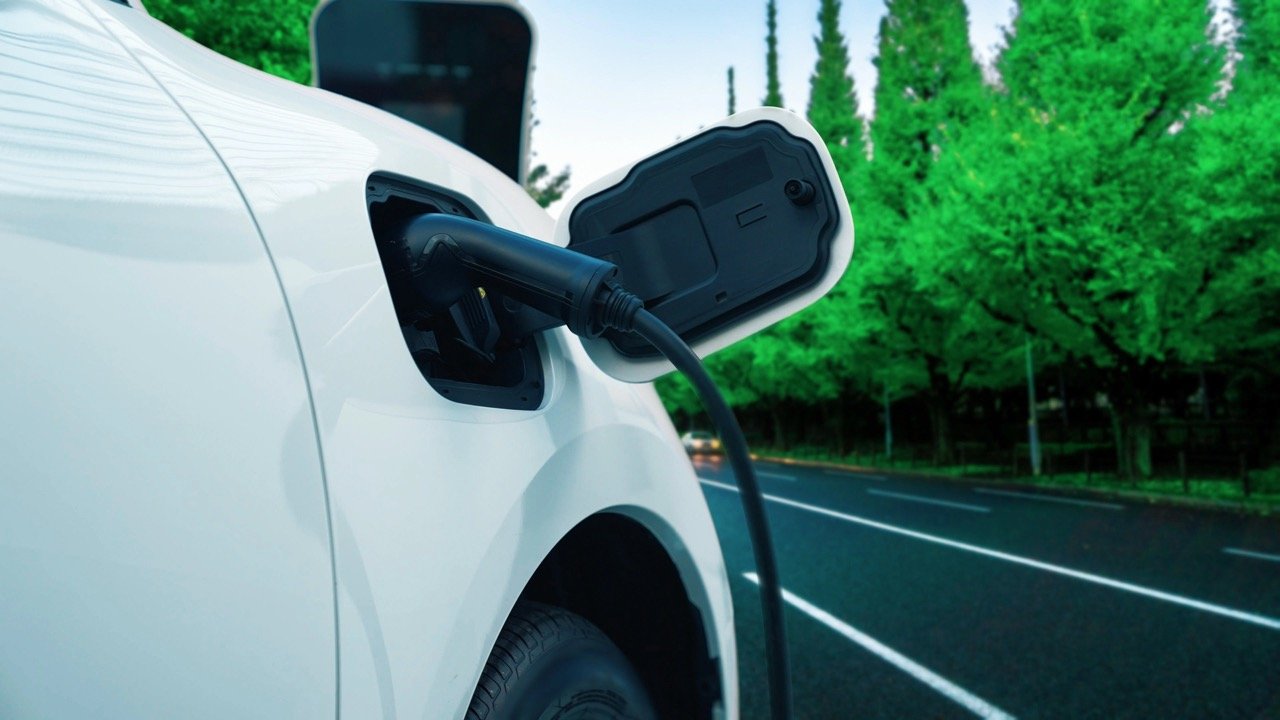
Electric and hybrid vehicles inherently provide significant cost savings. The reduced reliance on gasoline and lower maintenance requirements make them more economical over time. Battery technology advancements have increased energy density and charging efficiency, allowing longer travel distances between charges and reducing electricity costs. Additionally, many regions offer incentives, tax breaks, and reduced registration fees for electric and hybrid vehicles, further enhancing financial benefits for drivers who adopt these technologies.
Connected Vehicle Platforms
Connectivity has opened new avenues for cost savings in everyday driving. Modern vehicles can integrate with mobile apps and cloud-based services to track fuel consumption, identify optimal routes, and find nearby charging stations or low-cost fuel options. Real-time traffic updates help avoid congestion, reducing time spent idling and saving fuel. These systems also provide detailed analytics on driving habits, encouraging more economical choices that translate into tangible financial benefits.
Tire Pressure Monitoring and Optimization
Proper tire maintenance is often overlooked, yet it plays a crucial role in fuel efficiency and cost savings. Tire pressure monitoring systems alert drivers when inflation levels drop below optimal thresholds. Maintaining correct tire pressure reduces rolling resistance, improves gas mileage, and extends tire lifespan. Over time, these small adjustments contribute to significant savings on both fuel and replacement tires.
Autonomous and Semi-Autonomous Technologies
Autonomous and semi-autonomous technologies are starting to influence cost savings by reducing accidents and associated expenses. Automatic emergency braking, collision avoidance systems, and lane departure warnings minimize the likelihood of collisions, lowering repair costs and insurance premiums. As these systems become more sophisticated, the potential to save money through reduced accidents and claims will continue to grow, making vehicles safer and more economical at the same time.
Efficient Climate Control Systems
Modern climate control systems are designed to maximize comfort while minimizing energy consumption. Intelligent climate management adjusts heating, cooling, and airflow based on occupancy, ambient conditions, and driving patterns. In electric vehicles, these systems can extend battery life by reducing energy consumption, and in traditional vehicles, they contribute to fuel efficiency. These subtle efficiencies may seem minor individually, but they accumulate into meaningful savings over the life of the vehicle.
Sustainable Materials and Lightweight Design
Automakers are increasingly using lightweight materials and sustainable manufacturing processes to improve efficiency and reduce costs. Lighter vehicles require less energy to move, which translates into improved fuel economy. In addition, advanced materials such as high-strength steel and aluminum alloys provide durability while reducing maintenance needs. By investing in smarter materials, drivers benefit from lower operational costs without sacrificing safety or performance.
Long-Term Impact on Ownership Costs
The cumulative effect of these Money Saving Innovations is profound. Vehicles equipped with fuel-efficient systems, predictive maintenance, smart driving aids, and advanced connectivity not only reduce immediate expenses but also lower long-term ownership costs. By embracing these technologies, drivers enjoy savings on fuel, repairs, insurance, and maintenance, while simultaneously benefiting from enhanced safety, convenience, and performance.
Modern car technology proves that innovation is not just about luxury or performance—it is also about intelligent solutions that help drivers spend less while getting more. By leveraging these innovations, every journey becomes not only safer and more efficient but also more financially sustainable.
Tags: Money Saving Innovations, fuel efficiency technology, predictive maintenance, hybrid vehicles, electric vehicles, smart driving systems, connected cars, autonomous safety technology, lightweight materials, cost-effective car tech